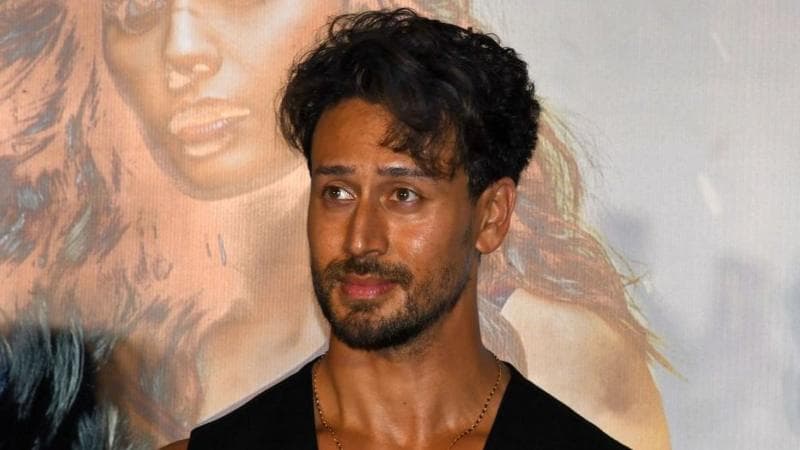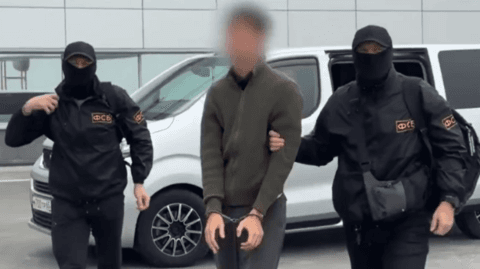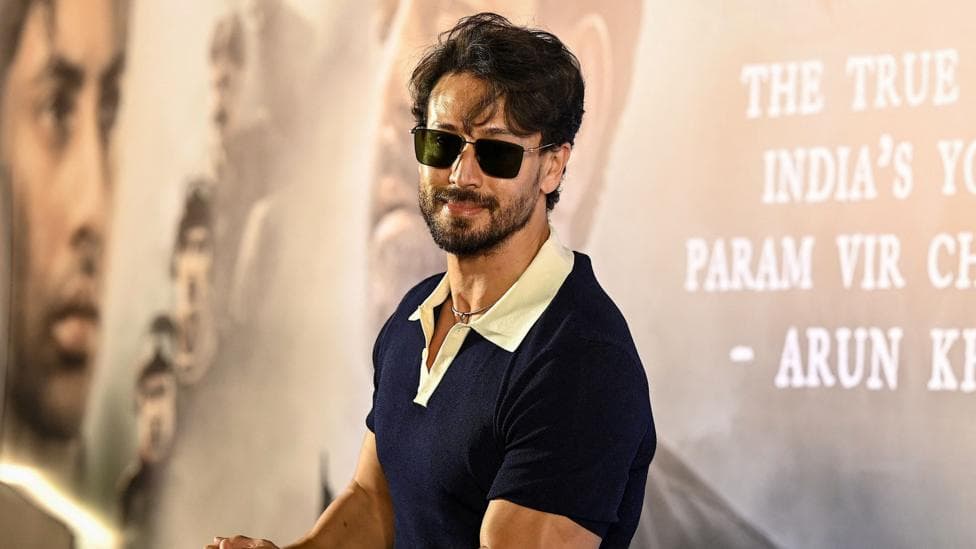
Bollywood actor Tiger Shroff, known for his action-packed films since his 2014 debut, narrowly escaped death on Sunday evening in Mumbai's Juhu neighbourhood when gunmen opened fire on his vehicle as he left a football ground. His driver and a vlogger filming nearby were both wounded in the attack. The incident has reignited concerns about whether organised crime syndicates are reasserting control over India's film industry after decades of relative stability.
According to BBC News, the 36-year-old actor's narrow escape has dominated Indian headlines for days, with each new development spawning competing theories and allegations of conspiracy. Police have detained or arrested 10 suspects while tracing alleged weapon deliveries across multiple states and examining payments made to the alleged attackers. The case has been transferred to the Crime Branch's Anti-Extortion Cell, with investigators checking possible handlers and verifying online claims of responsibility.
The shooting has brought Lawrence Bishnoi, one of India's most notorious gangsters, back into the spotlight. Shortly after the attack, a social media post purportedly from an alleged associate of the Bishnoi gang claimed responsibility. A separate audio recording emerged in which a man identifying himself as Anil Pandit repeated the claim and alleged that Shroff had been targeted because of his connections to actor Salman Khan, whom Bishnoi has been threatening for years. However, Mumbai police have not yet verified these claims or established that the Bishnoi gang was definitively behind the attempted shooting.
According to Indian Express, CCTV and call-data records have placed the suspects at the football ground on 11 October as well, suggesting police believe they were surveilling Shroff's routine. The Week reported that a police source said the suspects received Rs 50,000 in advance, though investigators were still probing this claim. Two suspects fired five to six rounds, with the three identified suspects aged 18 and 22, and no firearm had been recovered as of the latest reports.
A pattern of violence targeting Bollywood figures
The attack on Shroff is part of a troubling sequence of incidents involving prominent film industry personalities. Gunfire erupted outside Salman Khan's Mumbai home in 2024, and filmmaker Rohit Shetty's residence was targeted earlier this year. These incidents have revived deep-seated anxieties about organised crime's reach into the entertainment sector, awakening memories of a period when Mumbai's underworld wielded extraordinary power over the film industry.
During the 1990s and early 2000s, the city's criminal networks exerted formidable control over Bollywood, financing productions, extracting protection money and employing violence to enforce their demands. It took sustained police operations and the gradual emergence of institutional financing to weaken that grip. The question now haunting the industry is whether that dark chapter is returning.
How did the underworld once control Bollywood?
D Sivanandhan, who led Mumbai's Crime Branch starting in 1998, witnessed firsthand the extent of organised crime's influence during its peak. A single phone call from Dubai, where some of the most notorious gang leaders operated, could determine which actors appeared in a film, who financed it and how profits were distributed. In an industry reliant on private capital, the boundary between legitimate investor and extortionist became dangerously blurred, and the threats were far from theoretical.
In 1997, music mogul Gulshan Kumar was assassinated outside a Mumbai temple. Three years later, filmmaker Rakesh Roshan survived an attempt on his life. Sivanandhan personally investigated the financing of the Salman Khan film Chori Chori Chupke Chupke, whose producer and assistant were each sentenced to six years in prison under Maharashtra's organised crime legislation for underworld connections. The film's financier received a one-year sentence for concealing information about those links, and police seized the film's negatives, with its eventual release occurring under court supervision.
Sivanandhan noted that gangsters did not always impose themselves on an unwilling industry. Some filmmakers actively sought their money in arrangements that benefited both parties and proved extremely difficult for law enforcement to dismantle. Yet he resists characterising the current violence as a straightforward return of the mafia he once pursued—figures like Dawood Ibrahim, Chhota Shakeel and Arun Gawli who commanded criminal networks rooted in Mumbai, even when operating from abroad.
This is not the Mumbai mafia which we know in the last 60 years. This is something else.
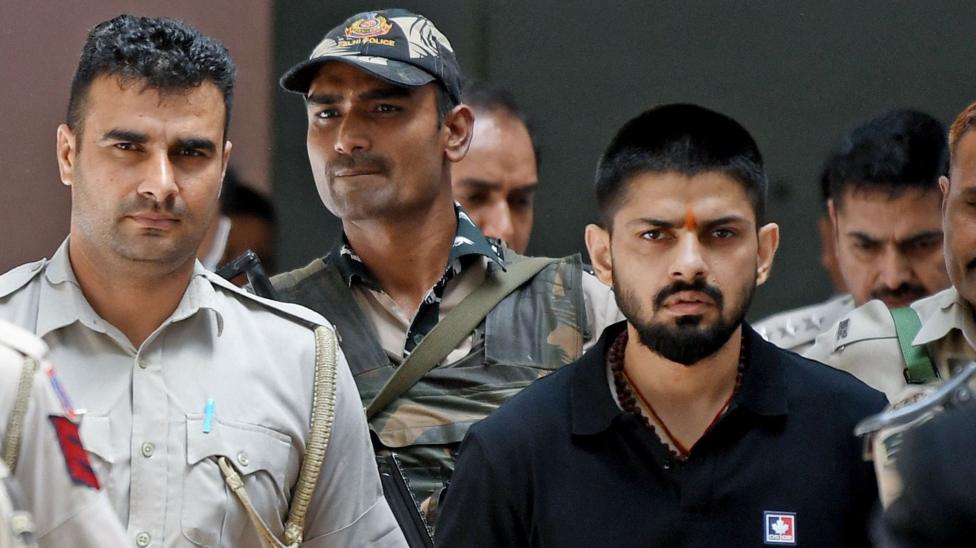
Who is Lawrence Bishnoi and why does his name dominate current investigations?
Lawrence Bishnoi represents a fundamentally different type of criminal operator. A gangster with origins in northern India who has been imprisoned since 2015, Bishnoi has cultivated an almost mythical aura of menace—a prisoner allegedly capable of commanding gunmen across continents, his name invoked in threats and responsibility claims that spread instantaneously across social media platforms. Bishnoi has publicly threatened Khan over a 1998 poaching case involving blackbucks, a species of antelope sacred to the Bishnoi community.
In April 2024, gunmen fired five rounds outside Khan's Mumbai residence. Six months later, politician Baba Siddique, who was close to Khan and other actors, was murdered. Mumbai police have attributed both attacks to the Bishnoi gang, though they have not established any direct personal involvement by Lawrence Bishnoi in Siddique's killing. Some allegations against his network rest on solid police investigations; others remain unverified. Yet the distinction between what the gang has demonstrably accomplished and what is claimed in its name has become increasingly blurred in public perception, doing little to diminish Bishnoi's notoriety.
Rakesh Maria, a former Mumbai police commissioner, has identified Bishnoi as exemplifying a new generation of gangsters who possess greater technological sophistication and international connections than their predecessors.
The old underworld was visible and territorial, but the new one is dispersed, fluid, making it harder to pin down. They no longer need to reside in the city to command it.
How has Bollywood's relationship with gangsters transformed?
The dynamic between organised crime and the film industry has shifted in a crucial way: who controls the narrative about gangsters. During the 1990s, Bollywood itself helped transform Mumbai's feared underworld figures into objects of public fascination. Films such as Satya (1998) and Company (2002) brought gritty, visceral authenticity to their world, while Manoj Bajpayee's portrayal of gangster Bhiku Mhatre in Satya became, according to film scholar Ashvin Immanuel Devasundaram,
mythologised and talismanic. The fear and fascination of that era were
seared into the collective consciousness, Devasundaram told the BBC.
Today's gangsters no longer require cinema to construct their mythology. Social media platforms enable them to craft their own image, distributing threats, responsibility claims and carefully curated photographs to audiences extending far beyond Mumbai. Each new attack resurrects those historical memories, yet the means of mythmaking have fundamentally changed.
Is organised crime regaining control of Bollywood's finances?
Evidence remains limited that criminal networks have reacquired their former dominance over the film industry's financial decisions and operations. However, the recent attacks have exposed a different vulnerability. Gangsters may no longer require control of an industry to destabilise it. A single shooting attempt, amplified across millions of mobile devices, can generate fear extending well beyond its immediate target.
After the latest shooting, police reportedly intensified security measures outside the homes of Khan and Rohit Shetty. The All Indian Cine Workers Association demanded enhanced protection, asking a question that captures the industry's anxiety:
Today it is Tiger Shroff. Who is next?
What happens next in the investigation?
Police have registered the case under Bharatiya Nyaya Sanhita provisions for attempted murder and common intention, along with Arms Act provisions. Investigators have indicated they will question the suspects in Mumbai to establish motive and determine whether handlers or other conspirators were involved in orchestrating the attack. The Crime Branch's Anti-Extortion Cell continues examining possible connections and verifying the various claims of responsibility that have circulated online.
Sivanandhan, who spent years confronting Mumbai's gangsters, understands the inherent limitations of even the most comprehensive security measures.
There is always a crack in the armour,he observed, a sobering reminder that in a city where organised crime once held sway, complete protection remains elusive.