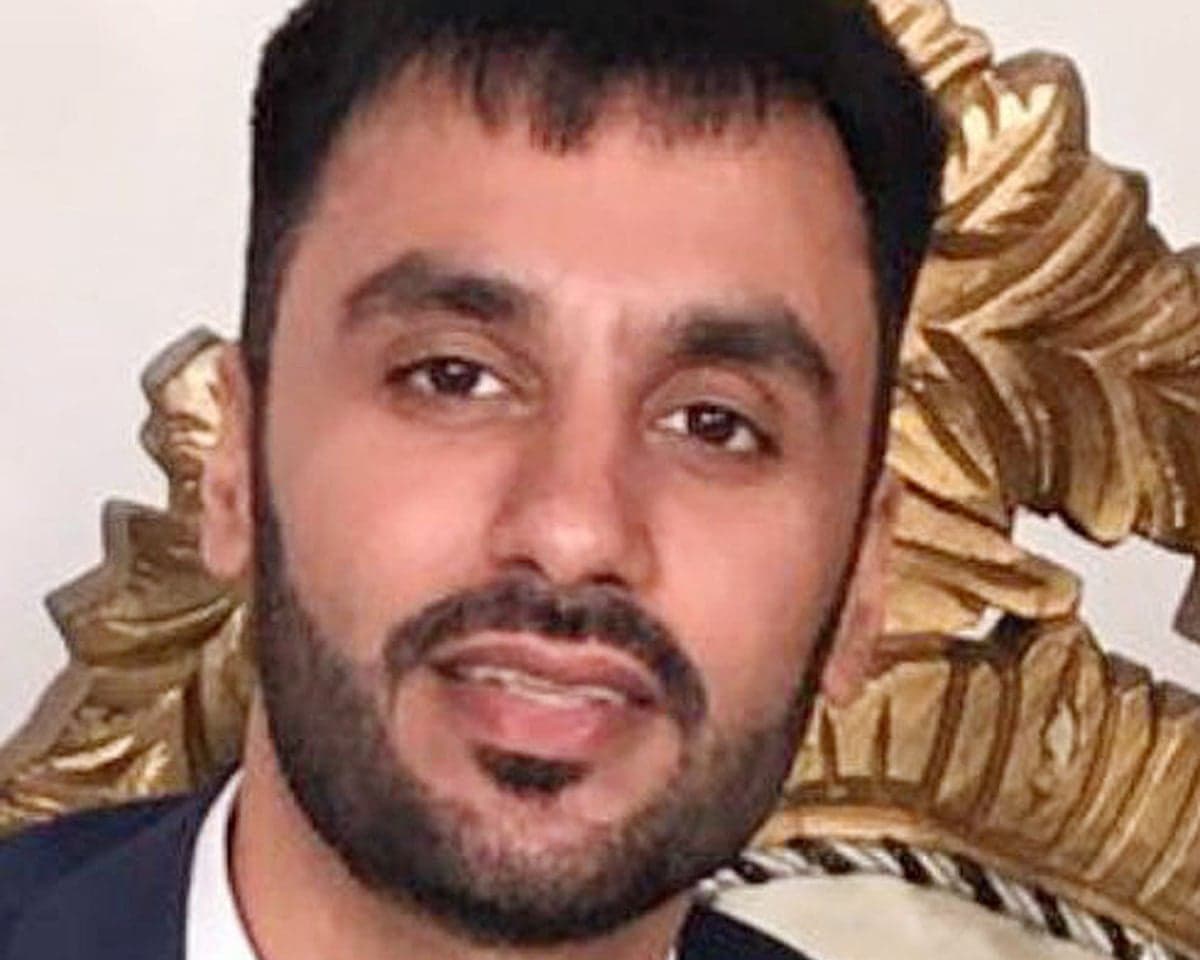
Mohammad Sharifullah, an Afghan national, was sentenced on 2 September 2026 to 20 years in prison for providing material support to the Islamic State of Iraq and ash-Sham-Khorasan Province, known as ISIS-K, the militant group that claimed responsibility for a suicide bombing at Kabul airport that killed 13 US service members and approximately 160 Afghans during the American military's withdrawal from Afghanistan in August 2021.
A federal jury in Virginia had convicted Sharifullah in April of providing material support to ISIS-K. However, jurors could not reach unanimous agreement on whether he bore direct responsibility for deaths resulting from the airport bombing itself. The 28-year-old received the maximum sentence available for his conviction in what the U.S. Justice Department described as a nearly decade-long conspiracy to provide material support to a designated foreign terrorist organization.
The attack unfolded on 26 August 2021 when a suicide bomber detonated an improvised explosive device near Abbey Gate, an entry point to Hamid Karzai International Airport, as US troops were conducting an evacuation operation. According to prosecutors, Sharifullah's involvement included scouting a route to the airport for the attack. The Justice Department also linked Sharifullah to numerous other terror attacks beyond the Kabul bombing, expanding the scope of his criminal conduct over roughly a decade of militant activity.
What was Sharifullah's specific role?
Prosecutors contended that Sharifullah scouted the route to Hamid Karzai International Airport that the suicide bomber would use. A review by US Central Command identified the Abbey Gate bomber as Abdul Rahman al-Logari, an ISIS-K member who had been released from an Afghan prison by the Taliban. According to an FBI affidavit, Sharifullah recognized al-Logari as an operative he had encountered while both were incarcerated.
During hours of FBI questioning, Sharifullah made statements that prosecutors said demonstrated his commitment to the extremist cause. According to court documents, he told a journalist that he wanted to "catch and kill the crusaders" from the United States for invading his country. Sharifullah had told FBI investigators he helped ISIS-K plan dozens of attacks over roughly a decade, though his defense team argued these statements may have been made under duress or fear of torture while in Pakistani custody before his transfer to the United States.
Why did the jury deadlock on the bombing itself?
Although jurors convicted Sharifullah of providing material support to ISIS-K, they could not unanimously agree on whether any deaths at the airport resulted from that conspiracy. This distinction carried significant legal weight: had the jury unanimously decided that question in the affirmative, Sharifullah could have faced a possible life sentence. His defense attorneys argued that prosecutors failed to present direct evidence linking Sharifullah to the Kabul bombing beyond statements he made during FBI interrogation.

The defense team maintained that Sharifullah was never an ISIS-K leader and had not been convicted of any conduct directly related to the airport suicide bombing. "He was brought here because the government believed he participated in the Abbey Gate attack, a theory which it was unable to prove at trial," his lawyers wrote in court filings. They contended that their client's statements to federal agents reflected what he believed investigators wanted to hear, possibly because he feared mistreatment in Pakistani custody.
What happened during sentencing?
US District Judge Anthony Trenga imposed the maximum 20-year sentence on 2 September 2026, rejecting Sharifullah's request for a 17-year term while accepting the prosecution's recommendation. The judge characterized the defendant as a "dedicated terrorist" who expressed no remorse for the "unfathomable" grief and suffering caused by the attack.
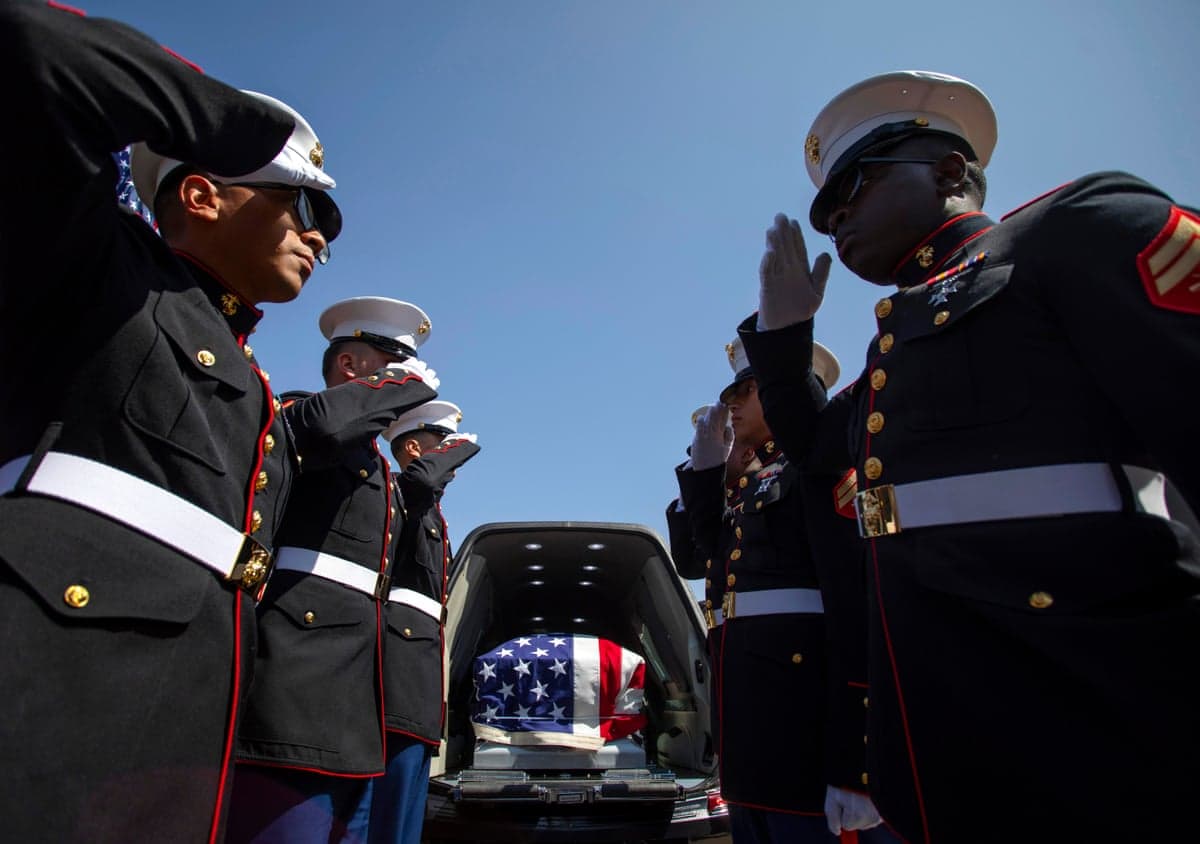
Sharifullah did not testify at trial and declined to address the court before sentencing. Instead, the courtroom heard victim impact statements from several parents of US service members killed in the bombing. Mark Schmitz of Missouri spoke directly to Sharifullah about his 20-year-old son, Marine Corps Lance Corporal Jared Schmitz, who died in the attack.
"They may have taken his life, but they'll never take his legacy," Mark Schmitz said. "A bomb killed my son. It did not kill what he stood for."
Paula Knauss-Selph, whose son, Army Staff Sergeant Ryan Knauss, was killed in the Abbey Gate bombing, described the lasting impact on her family.
"No justice will ever be enough to mend my broken heart," she said.
Standing only a few feet from where Sharifullah sat in the courtroom, the parents took turns paying tribute to their children's sacrifices and describing how the attack had shattered their families.
What was the broader context of the attack?
The Abbey Gate bombing occurred during the chaotic final stages of the American military withdrawal from Afghanistan as the Taliban retook control of the country. The explosion happened at approximately 18:00 local time and resulted in at least 13 US military deaths and approximately 160 Afghan casualties, making it one of the deadliest attacks during the evacuation period.
The case gained particular prominence when former President Donald Trump referenced it during a speech to a joint session of Congress in 2025, highlighting it as an example of terrorism prosecuted under his administration's policies. The sentencing in September 2026 concluded a legal process that began with Sharifullah's conviction in April 2026, several months after his arrest and extradition to the United States.
Key Facts
- Sharifullah, 28, an Afghan national, was convicted of providing material support to ISIS-K but jurors deadlocked on whether he bore responsibility for deaths at the airport bombing
- The Abbey Gate attack on 26 August 2021 killed 13 US service members and approximately 160 Afghans during the US military evacuation from Afghanistan
- Prosecutors alleged Sharifullah scouted the route to the airport for the suicide bomber and was involved in planning dozens of other terror attacks over roughly a decade
- The defense argued prosecutors failed to prove direct involvement in the Kabul bombing beyond statements made during FBI questioning
- Judge Anthony Trenga imposed the maximum 20-year sentence on 2 September 2026, describing Sharifullah as a "dedicated terrorist" showing no remorse