At least six people have died and 130 others remain missing following the capsizing of a passenger ferry in the Java Sea on Sunday. The vessel, Virgo Transport 8, was travelling between the Indonesian islands of Java and Borneo when it encountered severe weather conditions and lost contact with authorities early in the morning.
According to , Basarnas, Indonesia's national search and rescue agency, confirmed that 107 people had been rescued from the vessel. The ferry departed on Saturday from Surabaya in East Java carrying 213 passengers and 30 crew members, totalling 243 people onboard. The ship lost contact at approximately 2am on Sunday while positioned in the Java Sea, roughly 150 kilometres from its intended destination of Banjarmasin in South Kalimantan province.
Heri Purwanto, head of the Banjarmasin port authority, confirmed the vessel's last known location before communications ceased. Indonesia's transport minister, Dudy Purwagandhi, stated at a news conference in Banjarmasin that the ferry had capsized during the incident.
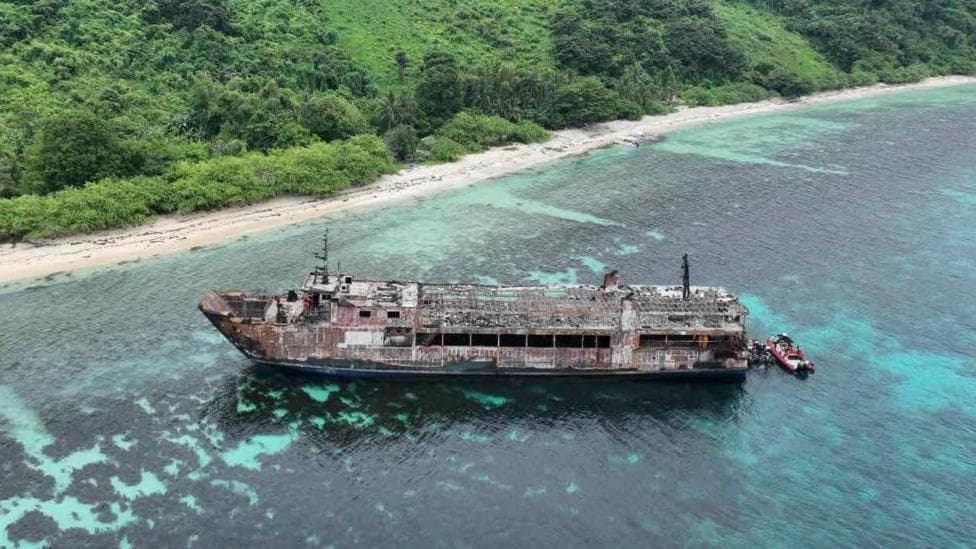
From the information we received, based on helicopter surveillance … the ship capsized but has not sunk. As of 3pm [local time] it had not sunk yet, but it was capsized.
What conditions are hampering the rescue effort?
Rescue operations are being severely complicated by treacherous sea conditions. I Putu Sudayana, the local search and rescue chief, explained that personnel are confronting waves reaching up to 2.5 metres in height.
It is extremely risky for vessels. Even our Basarnas vessel, which is 40 metres long, is at great risk.According to , rescuers have deployed multiple vessels and a helicopter toward the ferry's last known position to continue search operations.
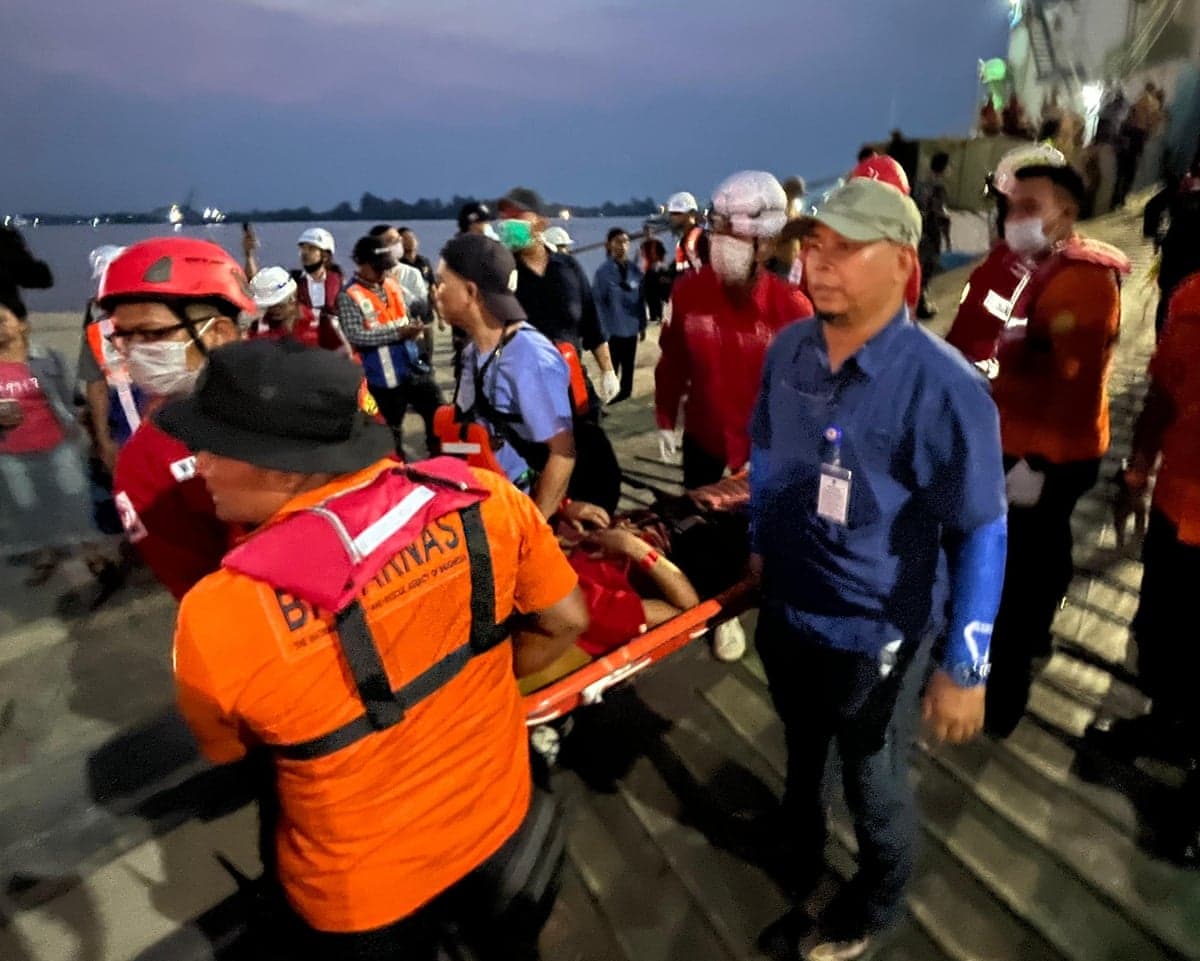
A Basarnas helicopter has been mobilised as part of the coordinated rescue response. Evacuees have been transported using various rescue vessels, with some being conveyed to ports in East Java. Medical personnel and ambulances were positioned in Banjarmasin in anticipation of additional survivors requiring immediate care.

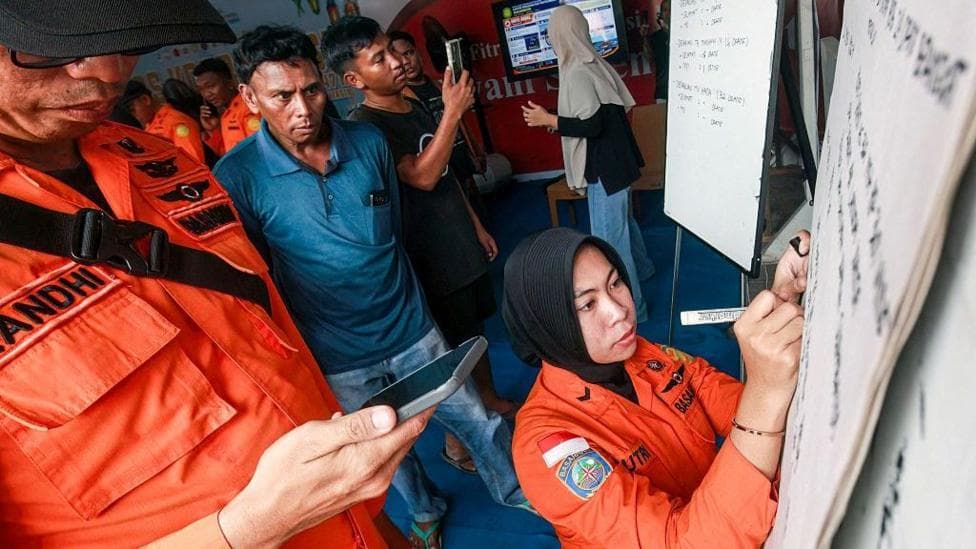
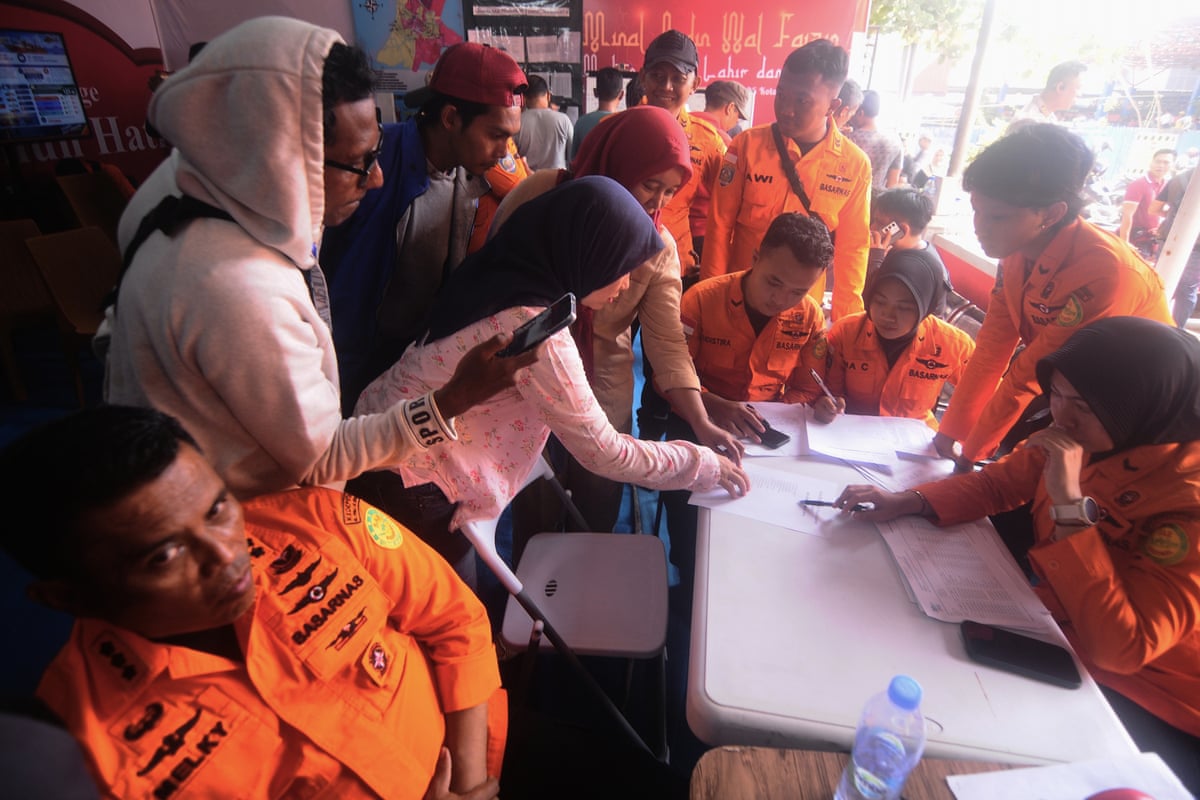
At the rescue command centre in Banjarmasin, dozens of relatives and friends of passengers gathered to seek information about their loved ones. Jenah, 26 years old, arrived at the centre searching for news of her older brother.
I am saddened and very shocked. Until now, I haven't received any more information. He was travelling alone. I hope he survives. I couldn't contact him since last night.
Why are ferry accidents common in Indonesia?
Indonesia, an archipelago comprising more than 17,000 islands, depends substantially on ferry services for inter-island transportation. Sea routes remain more economical and more readily accessible than air travel for most residents. However, safety standards are not consistently enforced across the maritime industry, contributing to a comparatively elevated accident rate.
This incident is not isolated. On Monday, a speedboat carrying eight people, including five journalists employed by local and international news organisations, disappeared near Mount Anak Krakatau, a volcano located in Lampung province. Last month, a fire erupted aboard a different ferry in the Lombok strait off Bali, resulting in one fatality and five people missing, though 211 passengers were successfully rescued. That vessel had been en route from Bali to Lombok when the emergency occurred in the early hours of 12 August. In July, another ferry transporting more than 70 people sank while sailing near Selayar, a small island positioned south of Sulawesi.
What happens next in the search operation?
According to , search operations are continuing with vessels and a helicopter deployed around the ship's last known position in the Java Sea. Officials have indicated that the search will remain concentrated on the area surrounding where the Virgo Transport 8 lost contact with authorities.
Key Facts:
- The Virgo Transport 8 capsized on Sunday morning in the Java Sea while travelling from Surabaya to Banjarmasin with 243 people aboard
- At least six people have died, 130 remain missing, and 107 have been rescued by Basarnas personnel
- Rescue efforts are being hampered by waves reaching 2.5 metres and severe weather conditions in the region
- Indonesia's reliance on ferry transport, combined with inconsistent safety enforcement, has resulted in multiple maritime incidents in recent months
- Ongoing search operations involve multiple vessels and helicopter support focused on the Java Sea sector where contact was lost