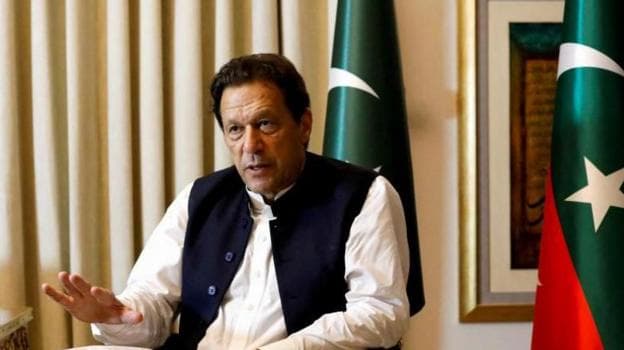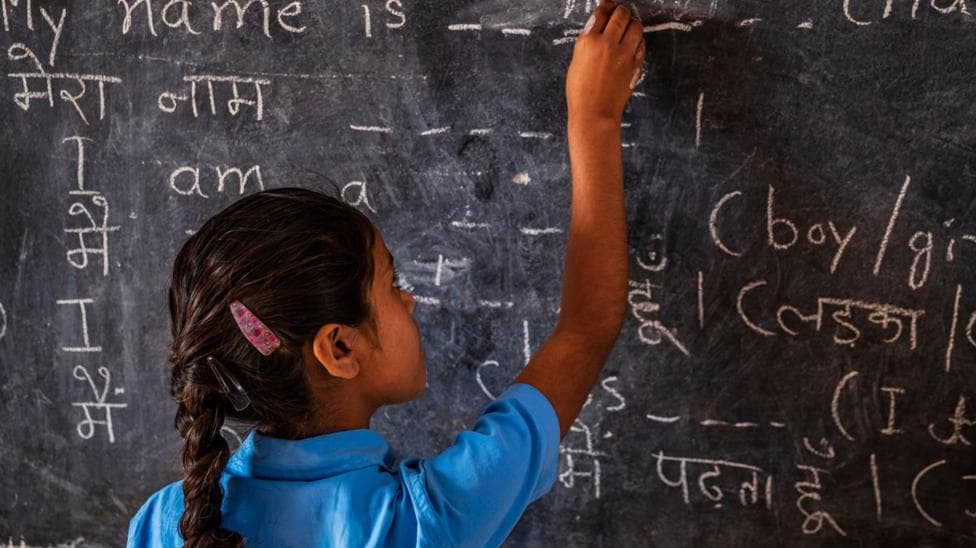
The Cockroach Janta Party, the youth-led movement that forced the resignation of India's Education Minister in July, has shifted its focus from street protests to a nationwide grassroots campaign aimed at documenting and repairing the country's deteriorating government schools. The initiative, called #SchoolThikKaro (#FixTheSchool), began on Independence Day in rural Maharashtra and is already drawing hundreds of participants across multiple states to audit basic facilities in government-run institutions.
This campaign represents a significant escalation of the CJP's activism beyond its earlier Delhi protests. The movement had previously gathered hundreds at Delhi's Jantar Mantar to demand education reforms and accountability, ultimately contributing to Education Minister Dharmendra Pradhan's resignation following the NEET medical entrance exam scandal in May. That crisis saw nearly two million students forced to retake the test after a question paper leak, and more than 20 students died by suicide, with families blaming the examination system's failures.
The #SchoolThikKaro campaign now channels that momentum into documenting infrastructure failures across rural India. According to reporting on the campaign launch, CJP founder Abhijeet Dipke initiated the effort in his native village in Hingoli district, Maharashtra, by asking the local village council leader to commit to repairing the government school. The campaign is structured as a four-point facility checklist: functional drinking water and toilets, electricity and usable classrooms, boundary walls and campus safety, and midday meal provision plus teacher attendance.
Why rural schools face such severe neglect
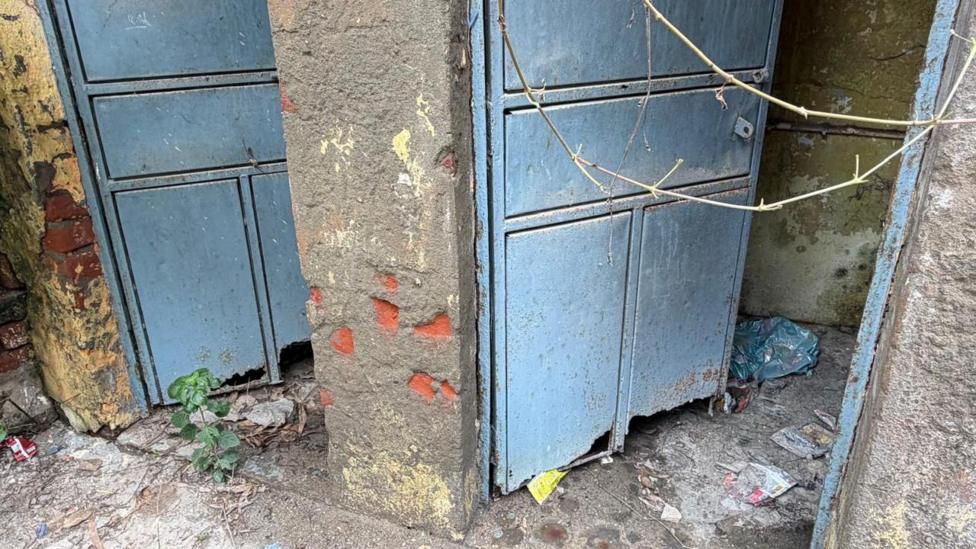
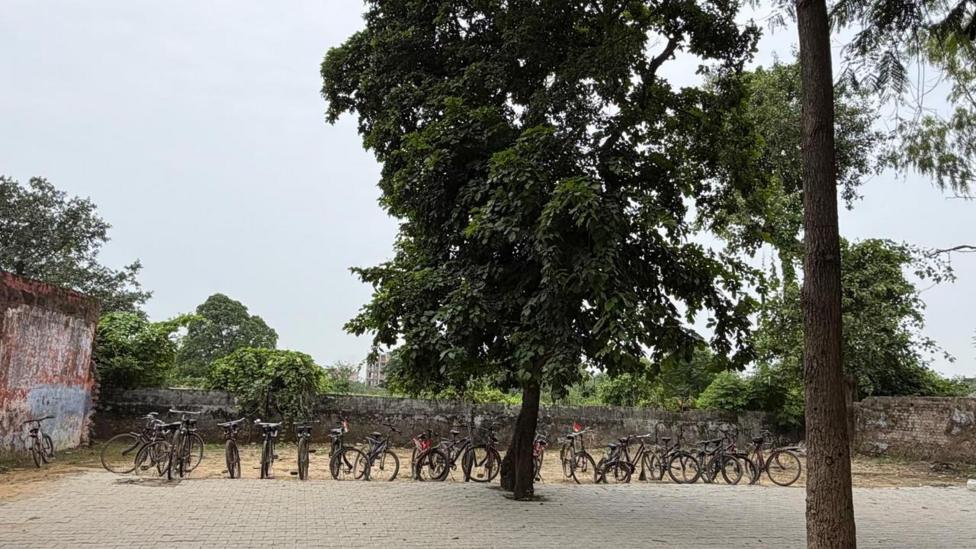
The condition of government schools in rural India reflects decades of underfunding and administrative neglect. A government-run primary school for girls in Khedi Kalan village, on the outskirts of Delhi in Faridabad district, exemplifies these systemic failures. Though the building received a fresh coat of paint recently and appears respectable from a distance, the structure is deteriorating rapidly from within. Local social worker Satpal Narwat, who studied at the school from 1968 to 1973, documented that four of its eight toilets are unusable and filled with trash, while four of the nine classrooms have been abandoned because they are too unsafe for children to occupy. During the monsoon season, classrooms flood and students have nowhere to sit.
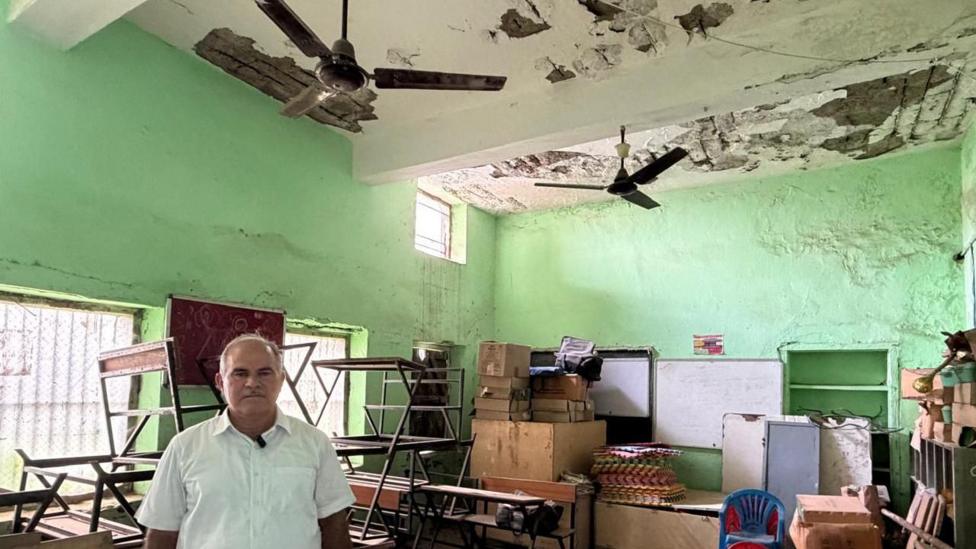
This is not an isolated case. According to official data, 94,000 government schools have closed between 2014-15 and 2024-25. A report by government think-tank Niti Aayog acknowledges that while some closures resulted from mergers intended to streamline the system, enrolment has fallen as demand for private schools has risen.
India's education spending reflects this crisis. The nation allocates only 4.1% of its GDP to education, which meets UNESCO's lower minimum threshold of 4% but falls short of the 6% that India's own National Education Policy recommends as ideal. By comparison, France, Germany, Australia, Brazil and the United States all spend more than 5% of their GDP on education, while Belgium and Sweden spend even higher percentages.
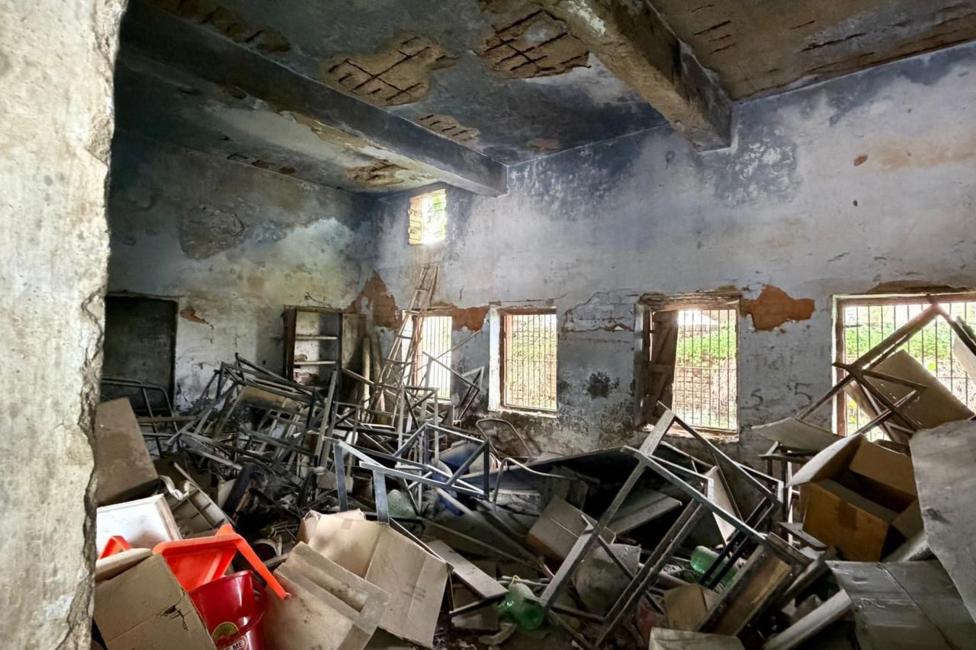
CJP founder Abhijeet Dipke has documented the scale of deterioration firsthand.
"On Thursday, Dipke said he had visited more than 20 rural schools and had 'not found even a single good school'. 'There were no benches, no bathrooms, no drinking water, no facilities at all. Even animals would not be kept in such a place,' he said."He added that conditions had barely improved in two decades:
"This is very similar to what I used to see when I used to visit my village during school summer vacation. And even after 20 years, nothing have changed there."
In recent weeks, Dipke and other CJP leaders have shared videos documenting leaking roofs, dirty toilets, children sitting on floors and frustrated students with their 26 million Instagram followers.
"We want to ensure that children get benches to sit on, good washrooms and clean drinking water. They should have smart classrooms with digital boards. That is when they will also feel that they are getting the same quality of education as those living in big cities in the country,"Dipke stated.
How has the campaign gained momentum so quickly?
The CJP's earlier Delhi protest and the #FixTheSchool campaign have emboldened students across India to document and publicise their schools' conditions. Armed with mobile phones, students have been shooting and posting videos on social media, some of which have gone viral and prompted local authorities to respond. After one video of schoolgirls in Raigad, Maharashtra, mocking the condition of the road leading to their school went viral, local authorities repaired it. In Uttar Pradesh, another video showed students running into the district magistrate's office demanding a road to their school, while a third showed schoolgirls asking an official whether he would send his own children to a school in such poor condition.
Journalist and author Nilanjan Mukhopadhyay observed that the movement's scope had broadened significantly by the end of the Delhi protests.
"By the end of their protest, it was clear that it wasn't just about one exam or one minister's resignation. People there were talking about the state of schools and everything that's wrong with them."He characterised the #SchoolThikKaro campaign as a natural progression:
"The way people have contributed with videos, pointing out flaws in school infrastructure, is evidence that the movement is gaining ground. It can't be Jantar Mantar 2.0 as it will be much slower and a long-lasting movement. But the CJP will get a lot of support for the campaign because there's plenty to talk about that's wrong with the schools."

The campaign has already drawn substantial participation. According to reporting on the initial phase, over 1,200 participants have already joined the effort, collecting school-visit reports and photographs to apply public pressure on authorities. The CJP is using these submissions to build a comprehensive picture of infrastructure failures across states including Maharashtra, Uttar Pradesh, Madhya Pradesh, Assam, Jharkhand and Bihar.
What are the deeper structural problems?
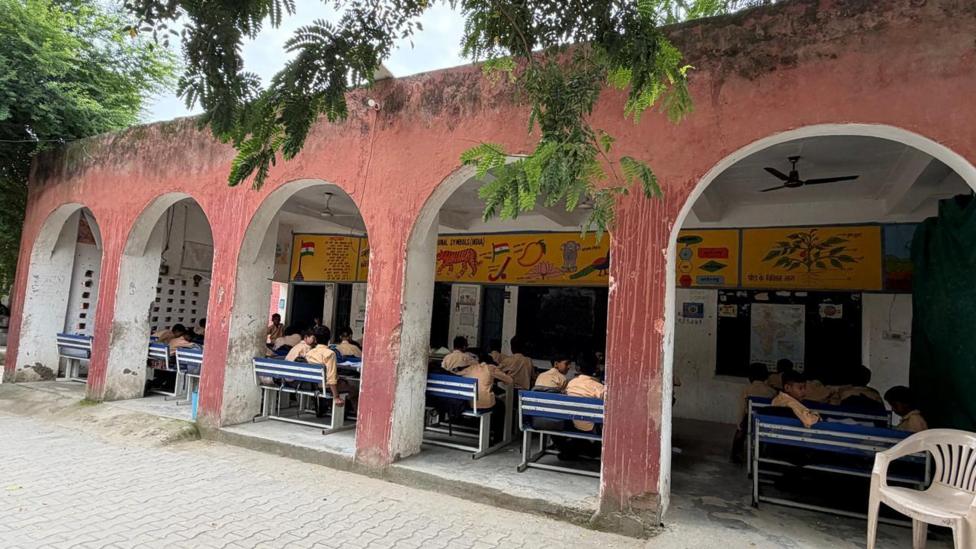
Beyond crumbling buildings and broken toilets, government schools face a critical shortage of teachers and support staff. Chatar Singh, treasurer of the Primary Teachers' Association in Haryana state and head teacher of the primary school in Atmadpur village, explained that staffing shortages create cascading problems. The school serves 910 children with 40 teachers on the rolls, but on the day a visiting journalist attended, 30 had been deployed to help with voters' list revision, four were off sick, leaving only six teachers to manage all the children.
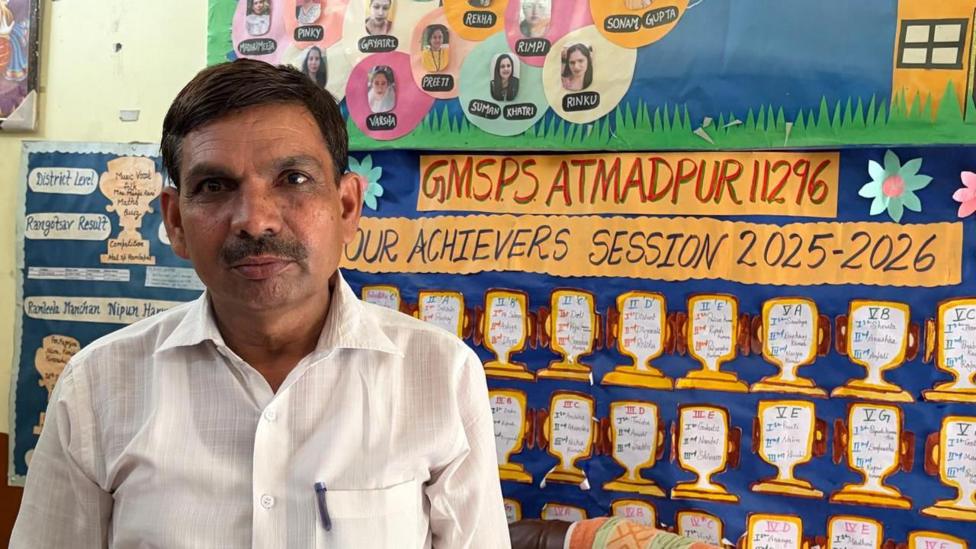
"Teachers are hired to teach, but across India, government deploys them to do a lot of non-teaching assignments. They are used for election duty and to conduct Census. Most of my teachers have been on voters' list revision duty since July. It's affecting the quality of education,"Singh said. Even basic maintenance suffers from understaffing: the school's toilets had not been cleaned properly for two days because the part-time cleaner appointed by the government to work a couple of hours each morning had fallen ill.
Singh attributed the systemic neglect to a fundamental divide in India's education system.
"Do children of bureaucrats and MPs and politicians study in my school? No. They send their children to private schools because they can afford them."Most students at his school are children of migrant factory labourers, he noted, and a majority come from underprivileged castes and communities.
"Anyone who can afford sends their children to private school,"he added.
This pattern is visible across India in the rapid proliferation of private schools in small towns and villages. In Khedi Kalan, Narwat recalled that only government schools existed when he was growing up and received his education there. He later sent his own children to the same school but moved them to a private institution because of superior facilities. Now, he sends his grandchildren to private school despite the expense.
"It's very expensive, but they have all the facilities. In village schools, the teachers are on election duty, and there's no library or laboratory."
How has the campaign evolved since its launch?
The #SchoolThikKaro initiative represents a shift from street-based activism to structured grassroots civic auditing. According to reporting on the campaign structure, the CJP is developing a printable audit form that parents, teachers and community members can use to document school conditions systematically. The party is accepting completed forms and video evidence by email, creating a centralised database of infrastructure failures that can be used to pressure officials for repairs and improvements.
The campaign's scope is ambitious. The CJP aims to audit 100 schools within two months of the August 15 launch, with plans to expand across rural India thereafter. Dipke initiated the effort in Santuk Pimpri in Hingoli district by directly challenging the local village council leader to commit to repairing the government school, framing the campaign as a "sarpanch challenge" that mobilises village-level leadership.
Narwat, the social worker in Khedi Kalan, has long petitioned chief ministers, MPs and district officials, and written to the National Human Rights Commission seeking improvements to the two village schools. His efforts yielded little change over the years. The CJP campaign has given him renewed hope.
"I think the CJP can be a force for good. They've taught people to fight, to not be afraid. The government has all the power and resources. And now they have to perform."
The government of Prime Minister Narendra Modi and his Bharatiya Janata Party have not commented on the campaign. India's education ministry has also not responded to requests for comment.
What happens next?
The campaign is expected to expand significantly across rural India following its August 15 launch. The immediate target is to collect audits from 100 schools within two months, with the CJP planning to publish the printable audit form shortly after the launch to enable widespread citizen participation. The party intends to use the collected data and video evidence to apply sustained pressure on local and state authorities to allocate resources for repairs and infrastructure improvements.
The CJP's shift to the #SchoolThikKaro campaign also reflects broader political momentum. The BJP suffered a rare byelection loss in Bihar that it had held for 30 years as student protests over exam leaks contributed to fallout from nationwide activism, suggesting that education issues have become politically consequential. The campaign's success in mobilising rural communities and documenting infrastructure failures could intensify pressure on the Modi government to increase education spending and improve school conditions, or risk further political costs in upcoming elections.