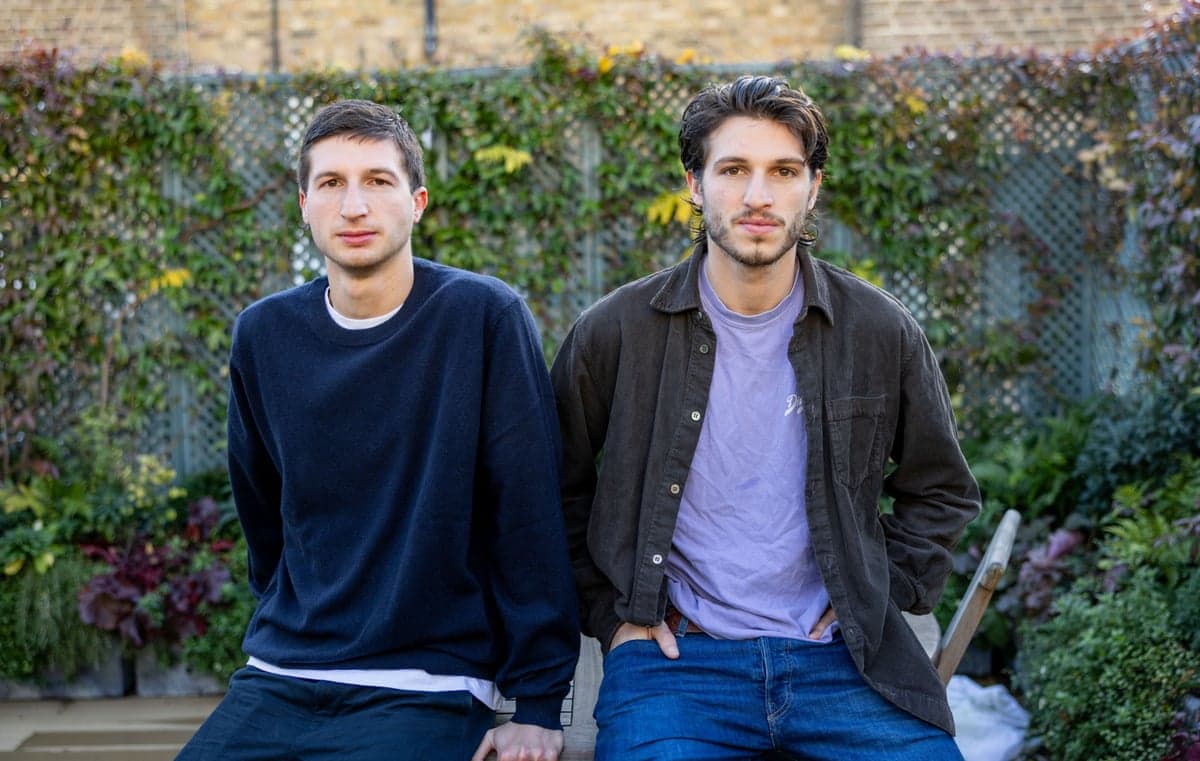
The sons of Pakistan's former prime minister have accused the country's powerful army chief of orchestrating a "personal vendetta" against their incarcerated father and expressed grave concerns that he is being "slowly killed" through harsh prison conditions, as international scrutiny intensifies over his treatment in custody.
Kasim Khan, 27, and Sulaiman Khan, 29, have emerged as vocal advocates for their father's release since his detention at Adiala prison in Rawalpindi began in 2023. They have been denied contact with him for extended periods and prevented from travelling from London to Pakistan to campaign for his freedom. Their father, now 73, is serving multiple sentences across numerous legal cases that he maintains are politically motivated.
The brothers' concerns centre on conditions they describe as amounting to psychological and physical abuse.
"The reality is that he is locked in a tiny 6x8ft cell without human contact," said Sulaiman. "He hasn't been allowed new books for months and he's not been allowed to see or speak to his family or a neutral doctor. He has an eye condition which was neglected for months and has meant he's probably almost lost sight in one eye."
Recent court developments have brought some movement in the case. According to local reporting, Pakistan's Supreme Court on 18 August ordered that Khan be transferred to Shifa International Hospital under security until 16 September for medical evaluation, with his sister Dr Uzma Khan and a medical board involved in his treatment. Additionally, the court directed authorities to permit Khan telephone calls twice weekly with his two sons in London.
However, the implementation of these orders has faced obstacles. According to international news reports, Khan was returned to prison after a brief hospital examination on 21 August, after officials cited disruptions to the planned route caused by supporters of his political party.
What are the health concerns?
Khan's deteriorating medical condition has become a focal point of the family's campaign. The former prime minister suffers from a blood clot in his retinal vein that has reportedly destroyed approximately 85 per cent of vision in his right eye, a condition that developed during months without adequate medical care. Sulaiman revealed that Khan has also been diagnosed with high blood pressure.
"More than anything, we just want to speak to him and make sure he's OK,"he said.
In July, the Supreme Court had ruled that Khan should receive treatment at a private hospital, but authorities instead took him briefly to a government facility where he received injections and was declared fit to return to prison—a decision that provoked strong objections from his family and political allies.
"There's still been no light shed on our father's real condition from an unbiased, neutral physician,"said Kasim.
"We believe they're trying to slowly kill him in there. Just as soon as there's less pressure, we are sure they will put even harsher restrictions on him and try to finish him off."
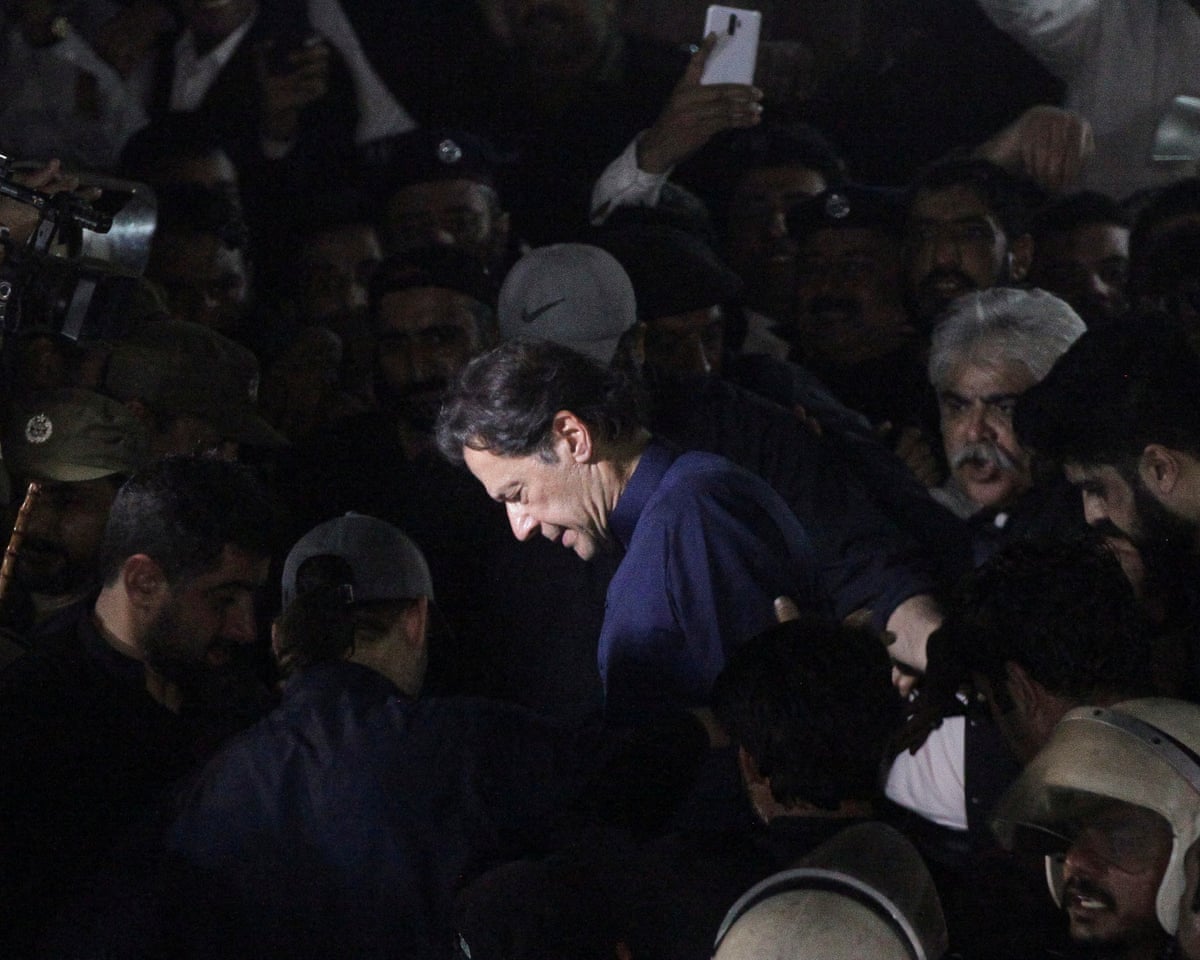
Who is Asim Munir and what is his connection to Khan?
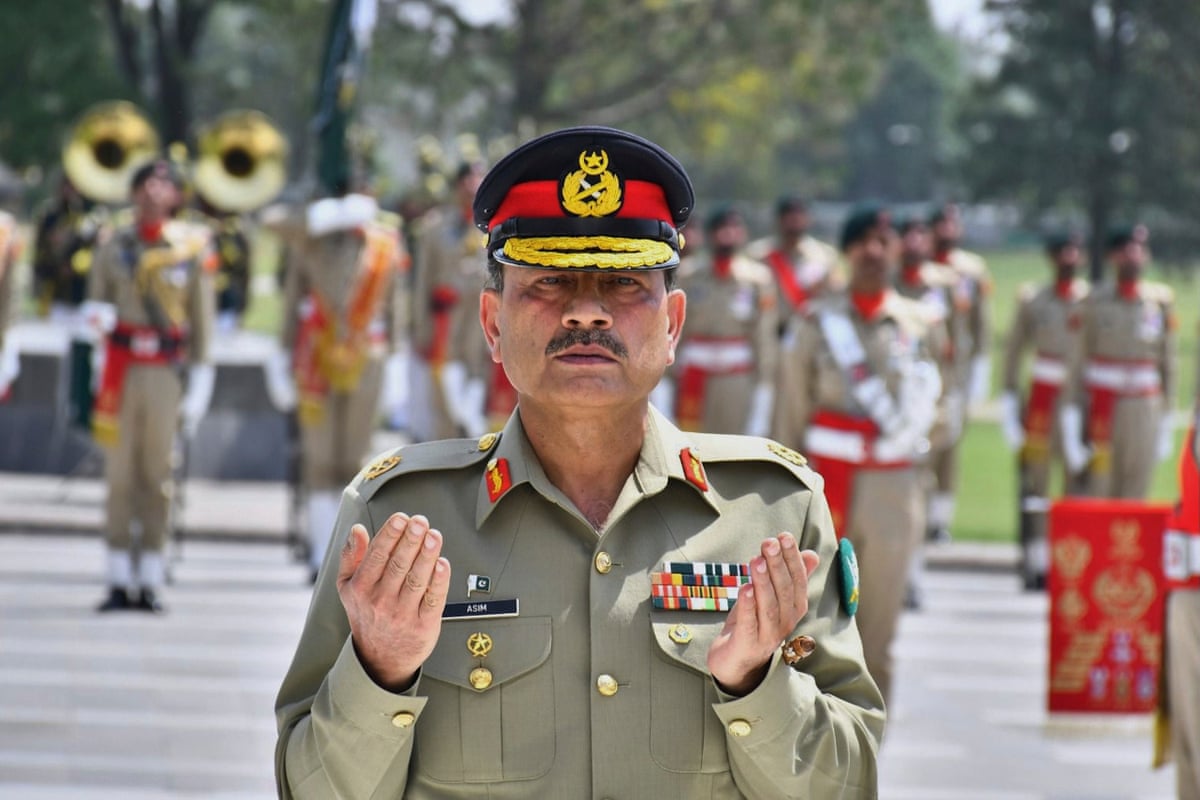
The brothers attribute the severity of their father's treatment to a personal conflict with Asim Munir, Pakistan's chief of defence forces and army chief. When Khan served as prime minister, he demoted Munir and removed him from his position. After Munir assumed the role of army chief in 2023, the intensity of Khan's persecution notably escalated, according to his sons.
"It's very clear this is being driven by personal grudge and that's one of the reasons he's being treated so harshly, on the orders of Asim Munir,"said Sulaiman. Munir has since consolidated his influence, establishing himself as a close ally of United States President Donald Trump, who has referred to him as "my favourite field marshal".
What international pressure exists?
Khan's prolonged detention has drawn criticism from multiple international bodies. The United Nations has stated that his extended incarceration violates international law, while the UN's special rapporteur on torture has indicated that his solitary confinement and detention conditions may constitute psychological torture. According to Amnesty International, Khan has been denied a fair trial for three years and has not been permitted to meet his family for more than eight months.
In late August, a broadcast incident highlighted the government's sensitivity to international coverage. Sky Sports aired an interview with Khan's sons during cricket coverage, prompting the Pakistan Cricket Board—which maintains close ties to the government and whose chair also serves as interior minister—to lodge a formal complaint. The Pakistani cricket team subsequently threatened to refuse to return to the field after the lunch break.

"It shows how out of touch they are with the rest of the world, that they thought they could silence media like they do at home,"Sulaiman said of the complaint.
"It just exposed them for the authoritarian regime that they are."

What is the government's position?
The Pakistan government has rejected the allegations made by Khan's family. In a statement, officials characterised the claims as "fake propaganda" and asserted that Khan is being held in adequate conditions with access to home-cooked food, nuts, bottled water, exercise equipment, family visits and regular medical examinations.
"The government of Pakistan categorically rejects allegations that the convicted prisoner is being subjected to punitive solitary confinement, cruelty or deprivation,"the statement said. The government has also challenged the Supreme Court's hospital-transfer order, with the law minister filing an objection the day after the ruling was issued.
How did Khan fall from power?
Khan's trajectory from prime minister to prisoner reflects a dramatic reversal of fortune. He initially came to power in 2018 with backing from Pakistan's military establishment, which has historically wielded outsized influence over the country's governance. He campaigned on promises to build a "naya Pakistan" (new Pakistan) that would eliminate corruption and establish the rule of law. However, his tenure was marked by allegations of corruption, economic mismanagement and persecution of political opponents.
After falling out with his military benefactors, Khan was removed from office and subsequently launched a campaign calling for the military to be excluded from government decision-making. By 2023, as his accusations against the military intensified, his status shifted from alleged persecutor to persecuted figure. He was arrested and charged with more than 100 crimes, including alleged corruption and sedition—charges he contends are fabricated to prevent his return to power.
What is Khan's current political standing?
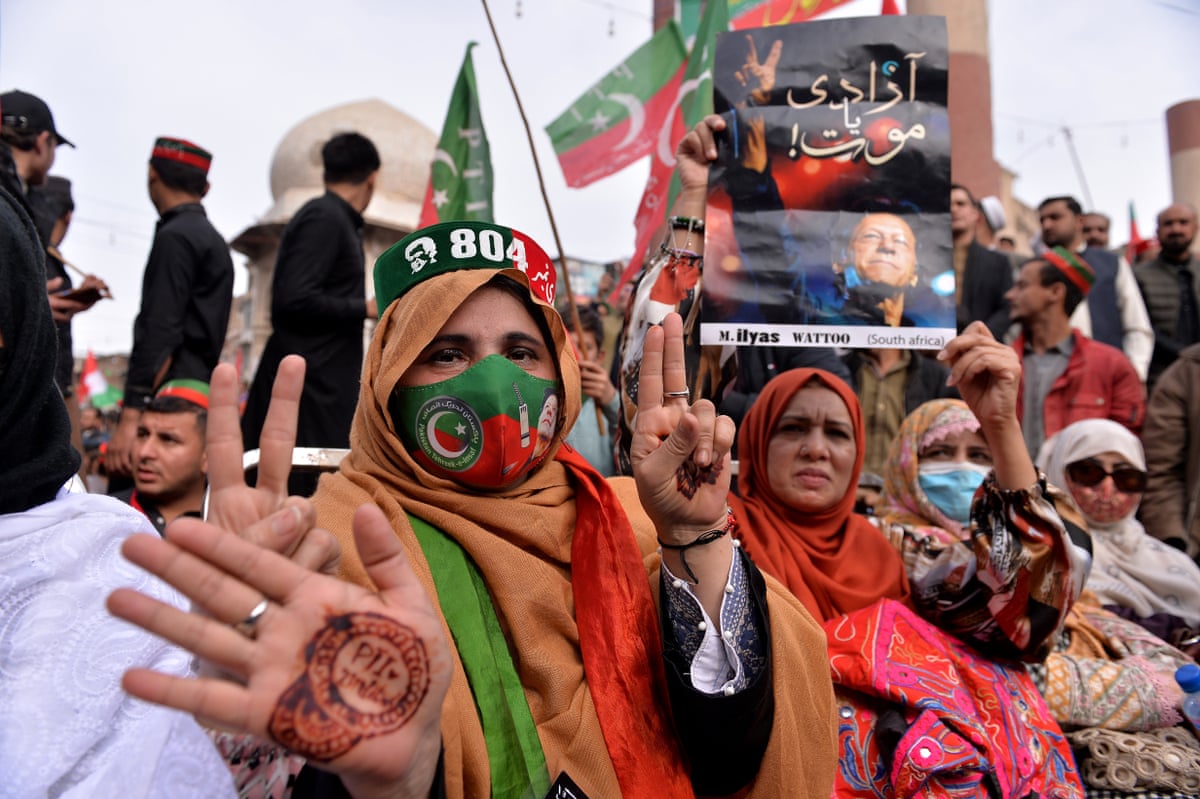
Despite his imprisonment, Khan retains considerable popularity within Pakistan. His political party, Pakistan Tehreek-e-Insaf (PTI), which he founded in 1996 four years after retiring from international cricket, continues to mobilise supporters. Later this month, the party is planning a nationwide march demanding his release.
"They want to do everything they can to sideline him and disappear him from public life,"said Kasim.
Speculation has circulated about whether Khan might negotiate a deal with the military to secure his freedom. His closest aide, Zulfi Bukhari, has indicated that Khan would accept only one arrangement:
"There is only one deal Khan would ever accept: the restoration of democracy, the rule of law and the people's mandate in Pakistan. If they're genuinely willing to do that, then fine – let's talk."
Both brothers stated they do not believe their father would abandon his political convictions to gain release.
"He's a very single-minded person,"said Kasim.
"I don't think there's a chance that he'd ever give it up."
What obstacles have Khan's sons faced?
Kasim and Sulaiman have been unable to travel to Pakistan to advocate for their father's release, with their visa applications remaining unapproved more than nine months after submission. They have not been permitted to speak with Khan for more than six months, though the recent Supreme Court order directing twice-weekly telephone calls may alter this situation. The brothers have emphasised they have no interest in entering Pakistani politics or leading the PTI party during their father's absence.
"We definitely don't want to get involved in politics in Pakistan in the long term,"said Sulaiman.
"Our father always said that one of the biggest problems with Pakistani politics is this dynastic nepotism; that power's been held by just two families for the last 40 years. It's a sign of what's wrong with the political system in Pakistan."
What happens next?
The Supreme Court's hospital-transfer order stipulates that Khan should remain at Shifa International Hospital until the next scheduled hearing on 16 September. The outcome of that hearing will determine whether Khan receives continued access to private medical treatment and whether the court's directives regarding family contact and telephone communication are enforced. An Islamabad High Court order issued on 1 September barred any solitary confinement of Khan and his wife Bushra Bibi, potentially strengthening protections against the conditions his family has described as torturous.
Key Facts
- Khan has been detained at Adiala prison in Rawalpindi for three years since his 2023 arrest on charges he claims are politically motivated.
- A blood clot in his retinal vein has destroyed approximately 85 per cent of vision in his right eye due to prolonged denial of medical care.
- The Supreme Court ordered his transfer to a private hospital on 18 August, but he was returned to prison after a brief examination on 21 August.
- An Islamabad High Court order on 1 September prohibited solitary confinement for Khan, contradicting the government's assertion that he is not held in such conditions.
- His sons have been denied contact with him for more than six months and prevented from travelling to Pakistan, though the Supreme Court has now ordered twice-weekly telephone calls.