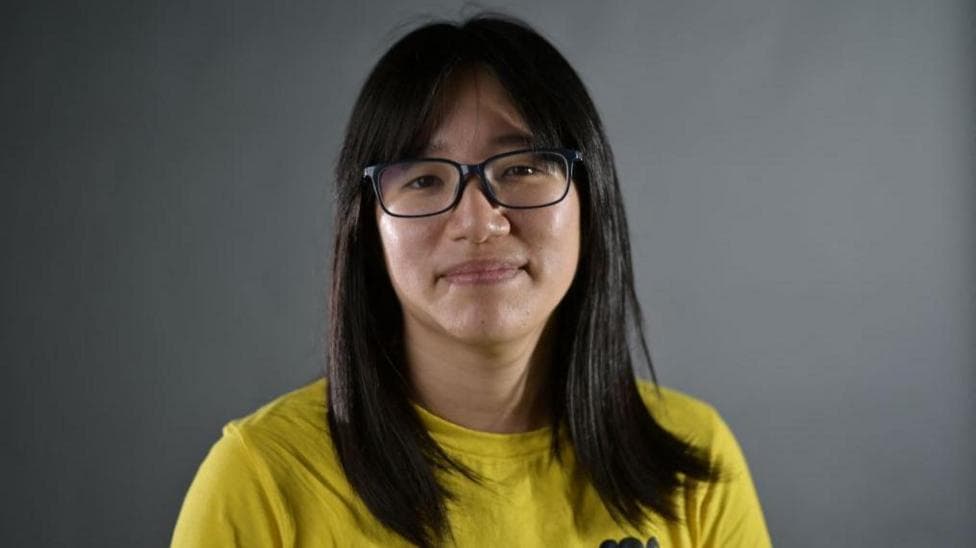
Two Hong Kong activists who organised annual candlelight vigils commemorating the 1989 Tiananmen Square crackdown have been found guilty of inciting others to subvert state power under the city's national security law. Lee Cheuk-yan, 69, and Chow Hang-tung, 41, now face a maximum sentence of 10 years imprisonment following their conviction. The Hong Kong Alliance, the now-defunct organisation they led, was also found guilty in the same case.
The High Court delivered its verdict on 21 August 2026, concluding that Lee and Chow "incited other persons to organise, plan, commit or participate in acts by unlawful means with a view to subverting the state power". A third defendant, Albert Ho, 74, had already pleaded guilty in January. Sentencing for all three is expected at a future date.
The trial began on 21 January 2026 after multiple postponements and was anticipated to last 75 days. During the proceedings, prosecutors alleged that the alliance's calls for "ending one-party rule" amounted to subverting state power. Chow told the court in May that the law itself was on trial, and closing statements from prosecution and defence were delivered from 18 May 2026.
What was the Hong Kong Alliance?
The Hong Kong Alliance in Support of Patriotic Democratic Movements of China was established in May 1989 to support students engaged in pro-democracy rallies. Weeks after its founding, the Communist Party deployed troops and tanks to crush pro-democracy protests in Beijing's Tiananmen Square. Estimates of the death toll from that crackdown range from a few hundred to many thousands.
Over the following three decades, the alliance campaigned for authorities to accept responsibility for the crackdown, release imprisoned dissidents, and introduce democratic reform. Lee and Chow served as leaders of the organisation until it was disbanded. The alliance's leaders were charged in 2021 and have remained in custody since their arrest.
Why were these vigils significant?
Hong Kong was historically one of the few places within Chinese territory where people could openly gather to mark the 1989 Tiananmen crackdown. The annual candlelight vigils at Victoria Park drew thousands of participants each year, serving as a rare public commemoration of an event that remains heavily censored elsewhere in China.

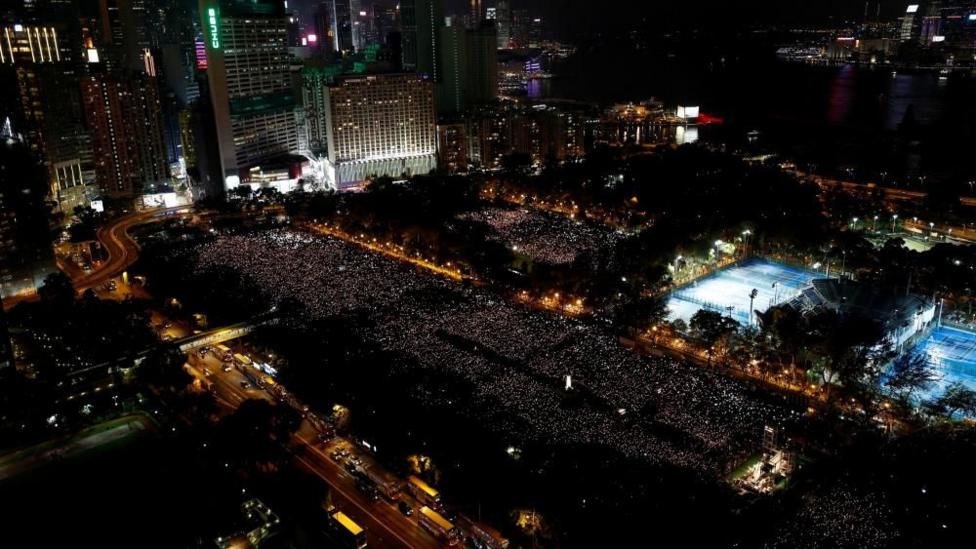
Authorities banned these gatherings in 2020, citing Covid-19 policies, but they have never resumed. That same year, the national security law came into force, significantly expanding the range of dissenting activities classified as illegal. In mainland China, authorities have banned even indirect references to the 1989 crackdown.
What does the national security law cover?
The law, introduced by China, criminalises a broad spectrum of activities including secession or breaking away from China, subversion of state power, terrorism, and collusion with foreign or external forces. Critics argue the legislation has eroded Hong Kong's autonomy and created a climate of fear among residents and activists. Hong Kong authorities maintain the law is necessary to preserve stability.
What do human rights organisations say?
Amnesty International has criticised the prosecution, stating the case "relies on vague, overly broad and arbitrary definitions of 'subversion'". Sarah Brooks, Amnesty International's Deputy Regional Director, said Chow and Lee had "not committed any recognisable crime".
Chow Hang-tung and Lee Cheuk-yan are prisoners of conscience who should never have been prosecuted in the first place. They must be released immediately and unconditionally.
In 2021, weeks before her arrest, Chow spoke about her willingness to face consequences for her activism.
I am prepared to be arrested. That is how Hong Kong is now. I am willing to pay the price for fighting for democracy, she said at the time.
What happened in Chow's previous case?
In a separate prosecution, Chow was arrested in June 2021 for "inciting" the public to participate in that year's vigil and was subsequently found guilty. However, Hong Kong's top court overturned that conviction in 2022, with a judge ruling that police had not properly justified the vigil's ban. In March 2025, Hong Kong's top court reversed convictions in another case involving former Tiananmen vigil organisers, a ruling later described as a miscarriage of justice.
What happens next?
Sentencing for Lee, Chow, and the Hong Kong Alliance is expected at a date to be determined by the court. Both defendants face a maximum penalty of 10 years imprisonment under the national security law.