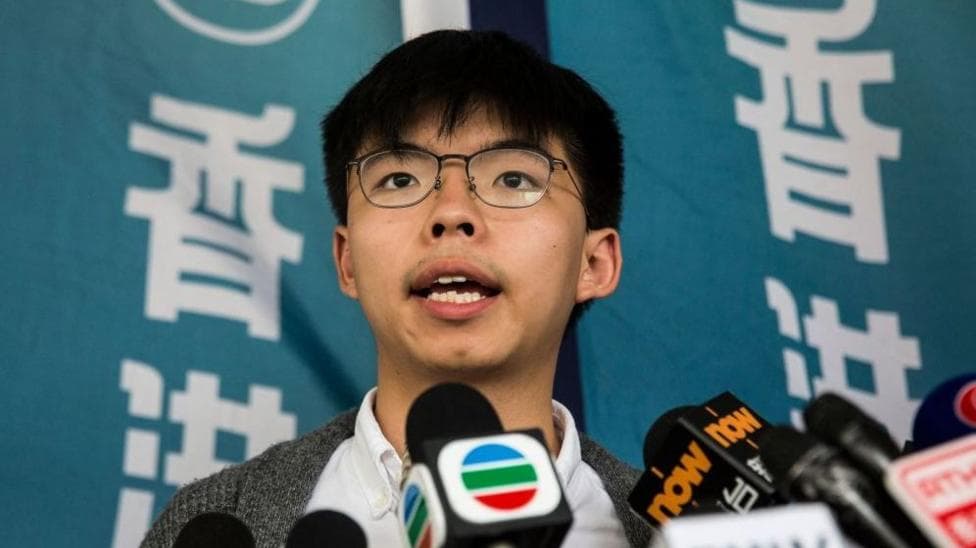
Joshua Wong, a leading figure in Hong Kong's pro-democracy movement, entered a guilty plea on 2 September 2026 to charges of collusion with foreign entities under Beijing's National Security Law. The 29-year-old activist now faces a maximum sentence of life imprisonment on this second major charge, compounding his legal jeopardy as he already serves a four-year, eight-month sentence for subversion handed down in late 2024.
According to court reporting from the hearing, Wong admitted to conspiracy to collude with foreign or external forces. The charge alleges that between July and late November 2020, Wong conspired with other campaigners, including exiled activist Nathan Law, to solicit overseas assistance aimed at advancing Hong Kong self-determination. The activities in question involved requesting that foreign countries and entities outside China impose sanctions or blockades against Beijing, according to court documents.
Wong emerged as a prominent voice during Hong Kong's Umbrella Movement in 2014 and the massive pro-democracy demonstrations in 2019. His activism has made him one of the most recognisable faces of the territory's pro-democracy movement. The timing of these alleged activities—between mid-2020 and late that year—coincided with China's introduction of the controversial National Security Law, which critics argue has created a climate of fear and suppressed dissent in Hong Kong. Beijing and Hong Kong authorities maintain the law is essential for maintaining stability and deny that it has eroded Hong Kong's autonomy.
The guilty plea came during a hearing attended by approximately 40 of Wong's supporters, including fellow activists and close friends. Several shouted words of encouragement from the gallery, with Wong responding by smiling and nodding from the dock while wearing a dark blue shirt. Tsang Kin-shing, a former member of the now-dissolved League of Social Democrats, expressed hope that the court would impose a lenient sentence, noting that Wong has already spent more than 2,000 days in custody.

Fellow activist Louis Lee described the mood among Wong's supporters as disheartened by the prospect of an additional National Security Law charge being brought while Wong was already serving time. Lee highlighted Wong's resilience, noting that the activist has pursued new interests during his imprisonment, including learning to play guitar and maintaining a fitness routine.
"I hope everyone can learn from him,"Lee said.
What happens next for Wong?
Sentencing is scheduled to follow the guilty plea hearing. According to court scheduling information, the sentencing determination was expected in September 2026 following the plea hearing. This case represents a second National Security Law prosecution against Wong, adding to the legal consequences he faces under the sweeping legislation that Beijing imposed on Hong Kong.
Background on the National Security Law charges
Wong's earlier conviction for subversion under the National Security Law resulted in the four-year, eight-month sentence that was originally scheduled to conclude in early 2025. The new collusion charge carries significantly greater potential penalties. Legal reporting from July 2026 indicated that sentencing was anticipated in September following the plea hearing, confirming the timeline that has now unfolded.
The National Security Law, introduced in 2020, has become a defining feature of Hong Kong's legal landscape since its implementation. The legislation grants authorities broad powers to prosecute activities deemed to threaten national security, and Wong's case exemplifies how the law has been applied to prosecute pro-democracy activists for their international advocacy efforts.