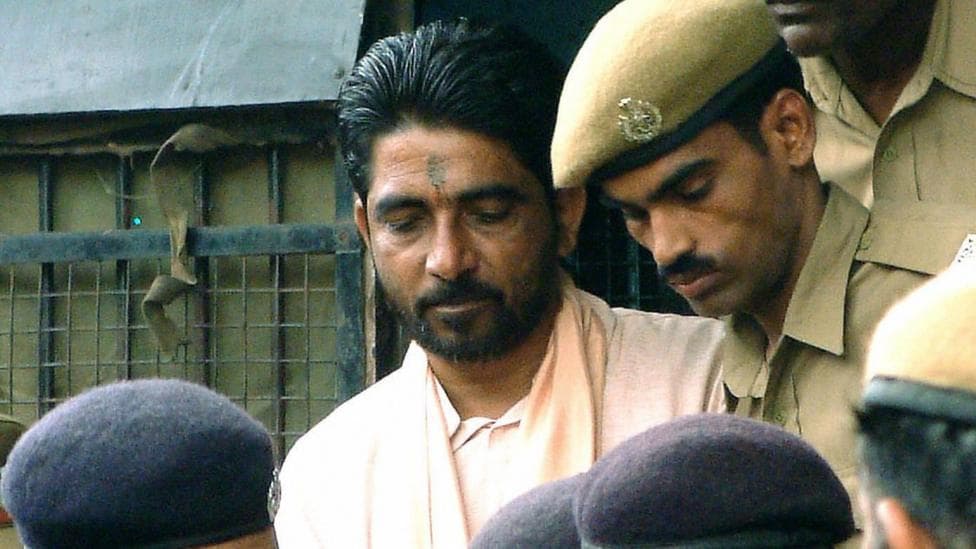
One of India's most shocking incidents of anti-Christian violence is back before the courts more than a quarter of a century after it provoked international condemnation. The Supreme Court is examining a petition for early release filed by a man serving a life sentence for murdering Australian Christian missionary Graham Staines and his two young sons in 1999.
Dara Singh—whose real name is Rabindra Kumar Pal—has been imprisoned since his arrest in 2000 for setting fire to a vehicle containing Staines and his six and ten-year-old children in a village in the eastern state of Odisha. The case has resurfaced as a critical deadline approaches: according to reporting from a major Indian news outlet, the Supreme Court has warned the state government that if it fails to decide Singh's remission petition by 2 September 2026, the court will rule on the matter itself.
Staines had devoted three decades to working with leprosy patients in the region. Singh and associates from Hindu hardline groups accused him of forcibly converting poor Hindus from disadvantaged castes and tribal communities to Christianity—allegations that became the stated justification for the violence.
How did the murders take place?
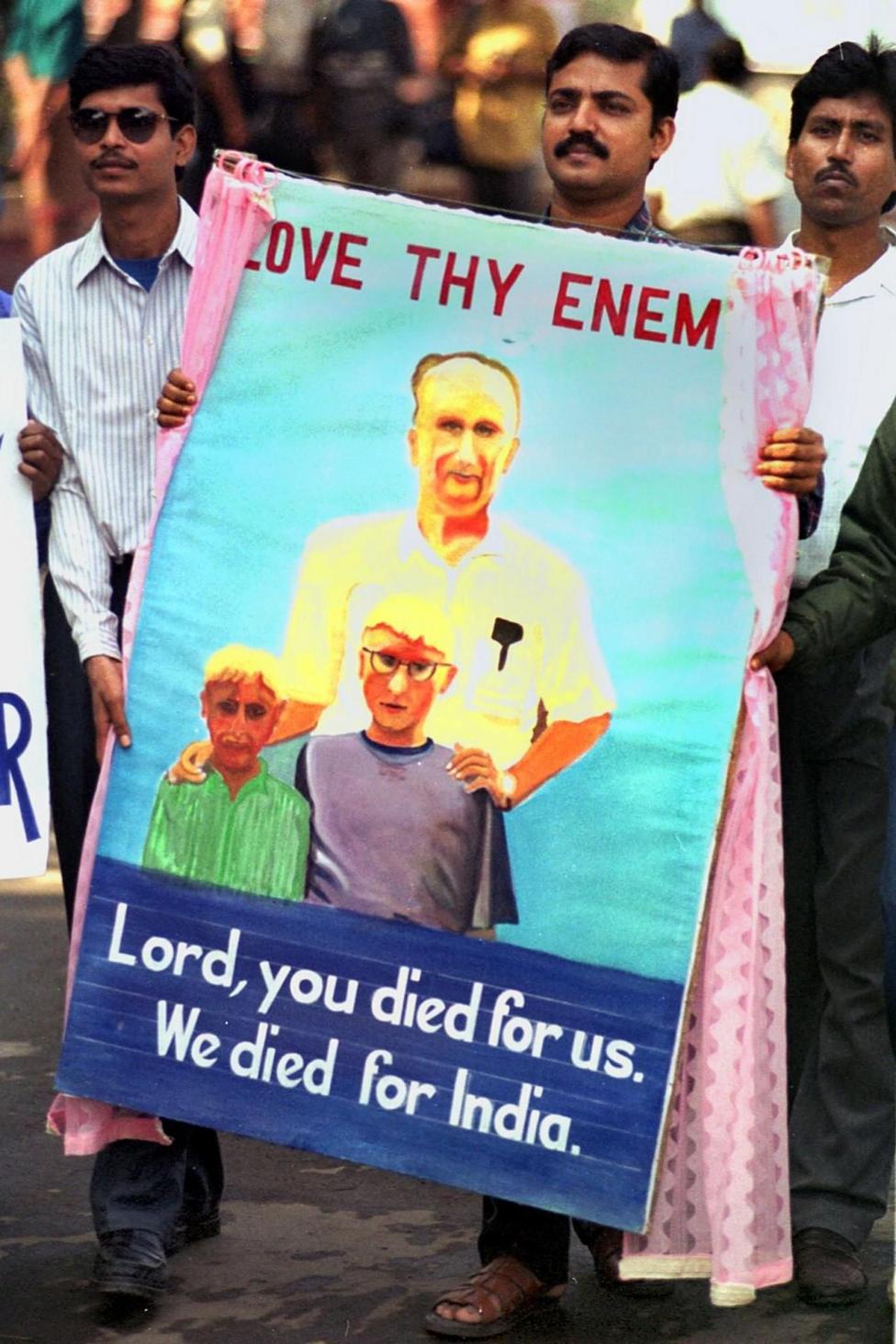
On the night of 22 January 1999, Staines and his sons attended a Christian gathering in Manoharpur, a remote village in Keonjhar district. They were resting in their jeep when a mob numbering 60 to 70 people, led by Singh, surrounded the vehicle, set it ablaze, and blocked any escape route.
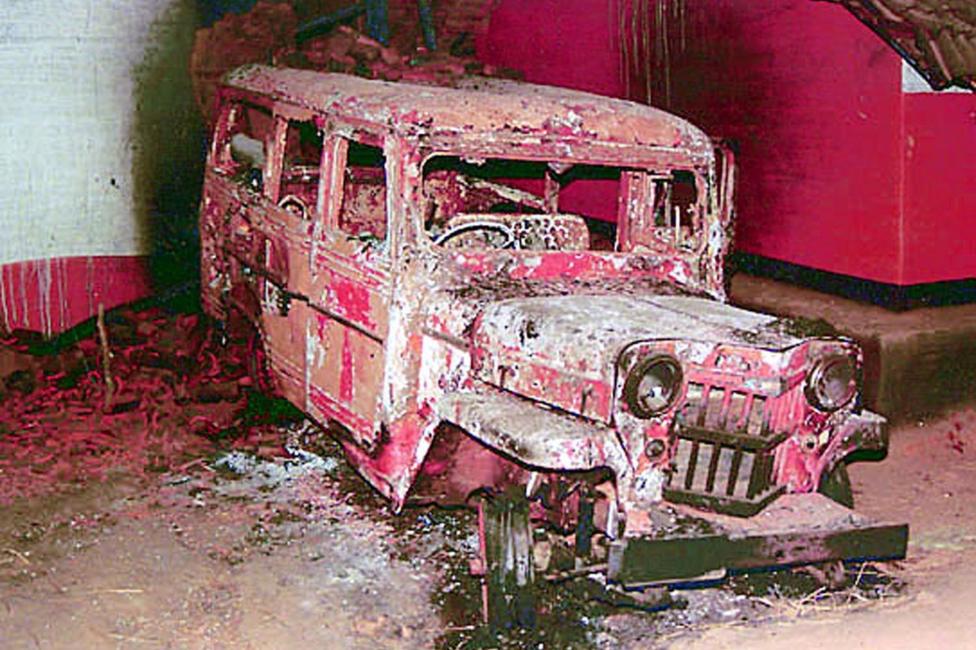
The brutality of the attack sent shockwaves through India's minority Christian community and triggered global outrage. Singh fled the scene, prompting police to distribute wanted posters across the state offering an 800,000-rupee reward—approximately $18,000 at the time—for information leading to his capture. Villagers and tribals reportedly sheltered him, describing him in heroic terms. He was apprehended a year later during a nighttime raid on a jungle hideout.
What has Singh said about the crime?
In a prison interview with India Today magazine several months after his arrest, Singh denied responsibility for the killings but acknowledged his opposition to Staines.
Missionaries have been targeting our religion. They have been converting Hindus by deceit and inducements. Our religion is under siege. As a true Hindu, it was my responsibility to oppose them,he stated, adding that his prominence in the region had made him a convenient suspect.
Since I was possibly the most famous name in the region, the police implicated me in the killings.
He claimed he was
prepared to be a martyr for the cause of Hindusand expressed confidence that conviction would never follow. That optimism proved unfounded.
What was Singh's legal journey through the courts?
In 2003, a trial court sentenced Singh to death and 12 others to life imprisonment. Two years later, the high court commuted his death sentence to life imprisonment while freeing 11 of his alleged accomplices, citing insufficient evidence. In January 2011, the Supreme Court upheld his life sentence and rejected prosecutors' attempts to reinstate capital punishment.
Singh's criminal record extended beyond the Staines case. In 2007, he received additional life sentences for two other serious crimes committed in 1999: leading a mob that set fire to a church and killed Catholic priest Arul Das with an arrow as he attempted to escape the burning structure, and beating and burning to death Muslim garment trader Shaikh Rahaman. Police had registered 10 cases accusing him of involvement in hijacking trucks carrying cows—an animal many Hindus regard as sacred—though he denied direct participation, claiming his supporters had acted independently.

What is Singh's current petition based on?
In July 2024, Singh filed a remission plea under Odisha's Premature Release Policy, 2022, arguing that his more than 26 years in prison, combined with good conduct behind bars, entitled him to early release. He attributed the crime to
the fervour of youthand wrote in his petition that
the petitioner acknowledges and deeply regrets the transgressions committed more than two decades ago.
He further contended that
in the fervour of youth, fuelled by impassioned reactions to the brutal history of India, the petitioner's psyche momentarily lost restraint and it is imperative for the court to scrutinise not merely the actions but the underlying intent, noting that there was no personal animosity harboured towards any victim.
According to reporting from an Indian news source, the State Sentence Review Board considered Singh's case alongside 55 other life convicts during a 6 July 2026 meeting and forwarded the proposal to the state government. However, when Odisha granted premature release to 19 life convicts in August 2026, Singh's case was notably absent from the list and was deferred for review after three months.
What has the Supreme Court done?
The Supreme Court had previously directed Odisha to decide Singh's petition within six weeks on 19 March 2025. At a hearing on 19 August 2026, a two-judge bench comprising Justices Manoj Misra and Vijay Bishnoi expressed frustration at the state's repeated requests for adjournments. The judges warned that
if the SRB failed to decide Singh's plea by 2 September, the court would.They instructed the state:
You take a decision, whichever way you want. If you do not take a decision, then we will.
According to legal reporting, state officials told the court that the Sentence Review Board was still awaiting additional paperwork and requested further time. The court did not hear the case on the scheduled date, and the next hearing date has not yet been announced, though the 2 September deadline remains in effect.
How have the victims' families responded?
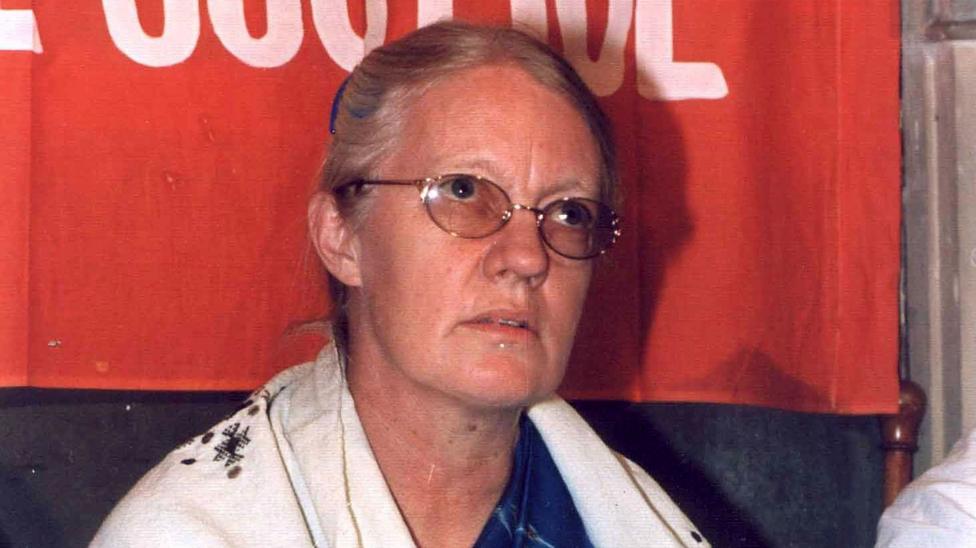
Graham Staines' widow, Gladys, remained in India with their daughter Esther until July 2004. She stated that she had
forgivenDara Singh
in the Christian spirit,adding that
forgiveness opens up the path of healing.
What concerns have been raised about a potential release?
News that Singh may be freed has generated significant anxiety within India's 30-million-strong Christian community, particularly given his earlier statements. In his 2000 interview, he declared he had
no regretsand
will never regretkilling Staines' children.
When Hindus die, others don't cry. Why should we weep when others die? Whatever has happened is right. Whatever will happen will also be right,he said. He added that if released, he would
go back to what I have been doing - oppose cow slaughter and conversionsand warned that
if they are not stopped, more people might get killed. Anything can happen.
Human rights and Christian political activist John Dayal wrote on the Union of Catholic News website that while remission after decades in prison is
not unusualin India and
the principle behind it - that punishment should allow for reform and eventual return to society - is humane,the situation in Odisha is different.
The anxiety among religious minorities in Odisha is not abstract given the state's history of anti-Christian violence,Dayal noted, citing the Kandhamal riots of 2008, in which dozens died and tens of thousands were displaced.
Dayal emphasised that the Staines murders were not an ordinary homicide but a deliberate, public act of terror designed to send a warning.
The killings of Father Arul Doss and Sheikh Rehman extended that same message.He concluded that
what remains to be seen is not whether Singh will eventually walk free, but how the government conducts itself around that decision...and whether minority communities are given any reassurance.
What happens next?
The Supreme Court is expected to act on 2 September 2026 if the Odisha Sentence Review Board has still not resolved the petition. If the state panel fails to issue a decision by that date, the court has indicated it may take up the release question itself. The outcome will have significant implications for India's religious minorities and the country's approach to remission in cases involving communal violence.
Key Facts
- Dara Singh has served more than 26 years in prison for the 1999 murders of Australian missionary Graham Staines and his two sons in Odisha
- He was also convicted in 2007 for killing a Catholic priest and a Muslim trader in separate incidents that same year
- The Supreme Court has set a 2 September 2026 deadline for Odisha to decide his remission petition or face the court deciding itself
- Singh's potential release has alarmed India's Christian community, given his stated intention to continue opposing conversions and his earlier statements showing no remorse
- The case reflects broader tensions over religious violence and minority rights in Odisha, a state with a documented history of anti-Christian attacks