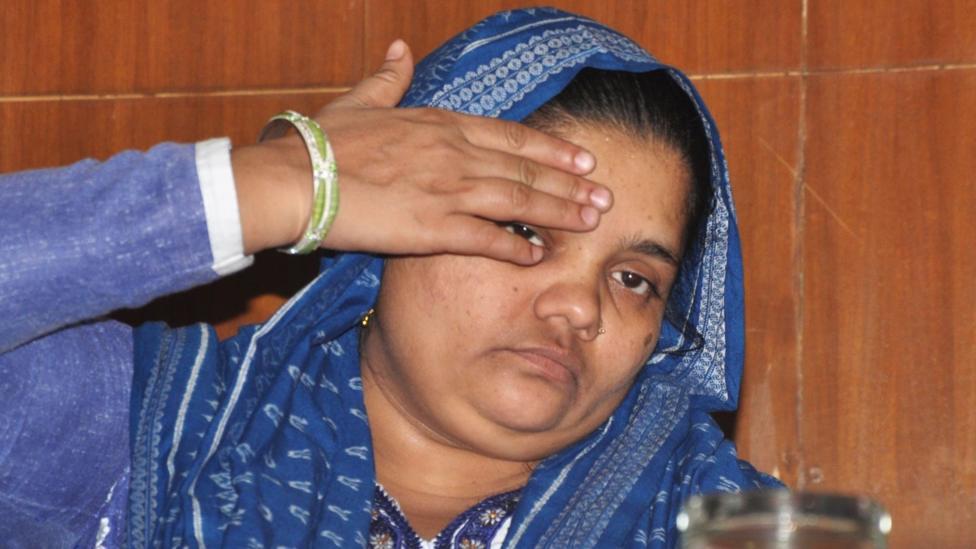
A pregnant Muslim woman who was gang-raped and witnessed the murder of 14 family members during the 2002 Gujarat riots has expressed her anguish after India's Supreme Court granted bail to two of her attackers. Bilkis Bano, who was 19 at the time of the assault on 3 March 2002, said she learned of the court's decision through media reports and vowed to challenge it. According to BBC News, the two freed men are part of a group of 11 convicts serving life sentences for the attack on Bano.
In a three-page order dated 28 October, the Supreme Court granted bail to Bipinchand Kanaiyalal Joshi and Pradip Ramanlal Modhiya and suspended their sentences while their petition challenging a 2017 Bombay High Court order is being heard. The bail bench, comprising Justices M.M. Sundresh and Prasanna B. Varale, directed that release be subject to conditions set by the trial court. The judges justified the early release by noting that both men "have been under incarceration for a period of more than 17 years" and that "one of the appellants has a severe handicap".
In her statement released on Monday night, Bano expressed her distress:
I still cannot believe that once again, for the second time, an order has been passed by the Supreme Court without calling me up and without hearing me. For 24 long years, I have stood up to fight for justice... again and again. Yet today, I find myself losing the very justice I had fought so hard to win.... And I am scared of losing faith in justice, yet again.
Bano's lawyer Shobha Gupta told the BBC that the news of the bail had left her client "heartbroken". Gupta questioned the decision, saying:
She has to restart her battle for justice. She had no information that this case was coming up in the Supreme Court. What is troubling for us is that every time something like this happens, we worry that it could affect her faith in judiciary.
The bail decision marks the second major setback for Bano in recent years. All 11 convicts were freed in 2022 following a Gujarat government order, a decision that sparked global outrage and led to celebrations as the men left prison. In 2024, the Supreme Court overturned that order and the men were returned to custody. The prosecution opposed the bail pleas, but the court granted relief; the order also noted that one appellant had not been named in the FIR and was implicated nearly three years after the incident.
What triggered the 2002 Gujarat riots?
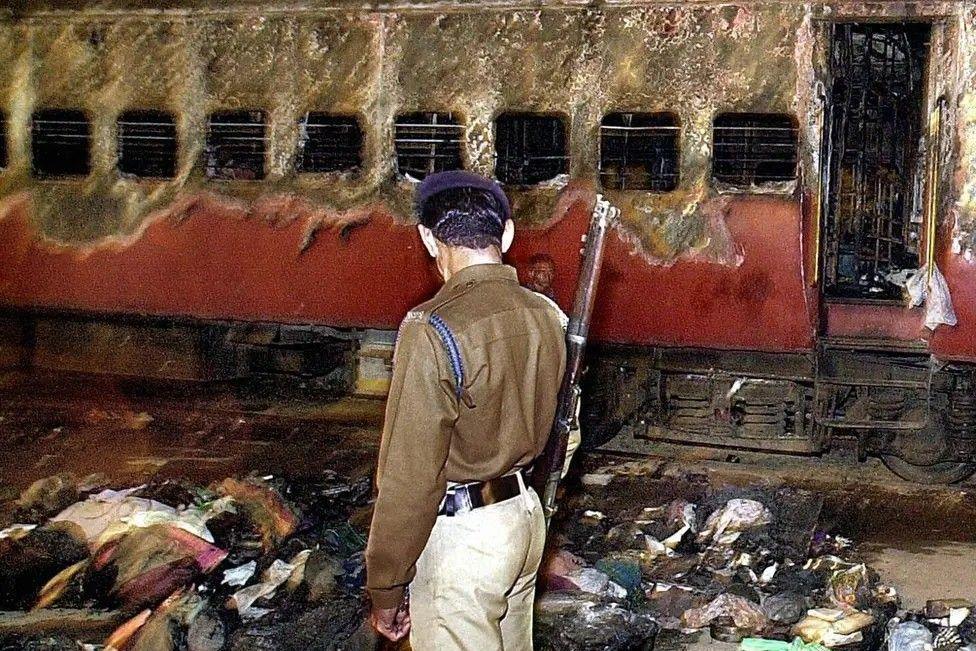
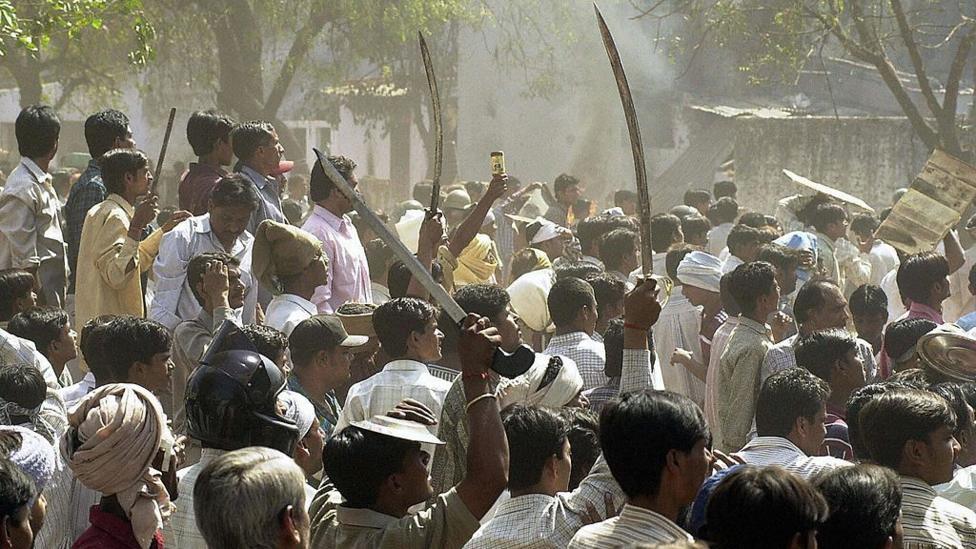
The violence erupted after a fire on a passenger train in Godhra town killed 60 Hindu pilgrims. Hindu mobs subsequently attacked Muslim neighbourhoods, blaming them for starting the fire. The riots continued for three days, resulting in the deaths of more than 1,000 people, the majority of them Muslims.
How did Bano become a victim?
When rioters attacked Bano's village and began setting Muslim homes ablaze, she and 16 relatives fled. She was 19 years old, had a three-year-old daughter, and was pregnant with her second child. On the morning of 3 March 2002, a group of men armed with swords and sticks attacked them. Her three-year-old daughter was snatched from her lap and killed.
The attackers were her neighbours—men she had encountered regularly throughout her childhood. They stripped her of her clothes and multiple men raped her, disregarding her desperate pleas for mercy. Her cousin, who had given birth just two days earlier, was also raped and murdered, along with her newborn infant. Bano survived only because she lost consciousness, and her attackers departed, believing her to be dead. Only two boys, aged seven and four, were the other survivors of the massacre.
How long has Bano's legal battle lasted?
Her pursuit of justice has been prolonged and traumatic. The first arrests were made only in 2004, after the Supreme Court intervened by calling in federal investigators and transferring her case to Mumbai. The court determined that Gujarat's judicial system could not deliver impartial justice in her case. The trial was transferred from Gujarat to Maharashtra after Bano sought a neutral venue; a Mumbai trial court convicted 11 accused, and the Bombay High Court later upheld their life sentences.
In her statement, Bano vowed to challenge the bail order:
I do this for my three-year-old Saleha who deserved to live and whose memory demands justice. I do this for women everywhere. Because no woman, no survivor, no citizen should have to endure this eternal test of belonging and equality, and fight for justice for the rest of her life.
Bano also expressed her broader concerns about the impact on her children:
I will fight this order... for my children, who do not deserve to live haunted by fears and scars for the rest of their lives.
What is the political context?
Prime Minister Narendra Modi was Gujarat's chief minister at the time of the riots and faced criticism for insufficient action to prevent the violence. He has consistently denied any wrongdoing and has not apologised for the riots. In 2013, a Supreme Court panel concluded there was insufficient evidence to prosecute him. However, critics have continued to hold him responsible for the violence occurring under his administration.
Gupta emphasised the exceptional nature of the case, stating that
it's not a routine criminal case, it's a case that shocks the conscience of the world, of entire humanity.
What happens next?
The Supreme Court's bail order became public on 16 November 2026, with the two men's appeals against their convictions remaining pending. Bano said she would challenge the Supreme Court's order. The Supreme Court directed that the two appeals be listed for hearing in due course, though no hearing date has been reported.