At least 14 newborn babies perished in a fire that swept through the maternal and child health ward of the Pakistan Institute of Medical Sciences (PIMS) hospital in Islamabad on Wednesday morning. The blaze claimed the lives of 14 of the 15 infants present in the nursery at the time, while emergency responders managed to rescue one baby and 19 other people from the facility. The incident has prompted Pakistan's Prime Minister Shehbaz Sharif to order an urgent investigation and suspend a top health official.
The fire originated on the third floor of PIMS, one of Islamabad's largest public hospitals and the capital's main state-run medical facility. Hospital officials attributed the blaze to an air conditioning unit that caught fire. According to local reporting, the fire may have started around 6:45–7:00 a.m., with some outlets suggesting the cause was an electric short circuit or an exploding AC compressor. The nursery contained 16 newborns when the fire began, though the hospital's initial statement indicated 15 infants were in the ward.
The babies in the ward were either in incubators or connected to oxygen equipment, Pakistan's Health Minister Mustafa Kamal explained to Geo News. While oxygen itself is not flammable, it accelerates combustion, causing materials to burn hotter and faster, which may have contributed to the rapid spread of the fire.
Were there barriers to escape?
Witnesses have raised serious questions about access to the maternity ward during the emergency. Some families reported that the ward door was locked, though hospital leadership disputes this account. Jaweria, the mother of one victim, told a news agency that the door to the maternity ward was locked and that she waited for hours without help.
For two hours I kept crying and wailing,she said.
Police arrived after four hours and said they are here to investigate.
Rana Imran Sikander, the hospital's executive director, told a national broadcaster that the ward's door was not locked but was manned by staff. He cited the need to protect babies from being stolen, something that has occurred at government hospitals in the past. However, another witness reported that
all doors were closed, only one door was for us to visit our children. They kept the other doors locked because they feared we would come to see our children too often.
Hivsa Walid, who was inside the hospital when the fire broke out with her sister-in-law who had recently given birth, described the moment of panic. They were in the nursery opposite the room where the fire started when they heard a shout. Initially thinking someone had died, they then saw smoke. They grabbed the newborn—so young she had not yet been named—and fled the ward.
We didn't even think about our belongings. We just grabbed the baby and rushed downstairs. Some patients had delivered their babies just that night. I don't even know how we managed to get down - it was all a blur.
Walid suggested PIMS's safety protocols were inadequate, despite it being a major hospital.
There should have been fire extinguishers and protocols, but no one was doing anything - everyone was just running.Another witness reported that people had to
break the door downand rescue teams were forced to smash the windows to control the flames.
How were families identifying their babies?
Identifying the deceased infants proved emotionally devastating for families. Pakistan's Minister of State for Interior Talal Chaudhry told a national broadcaster that some families recognised their babies through identification wristbands, while others identified them based on their ages. Some of the infants were only three hours old at the time of the fire, underscoring the tragedy of losing children moments after birth.
According to reporting from the Prime Minister's Office, 14 newborn deaths were confirmed and nine bodies had already been handed over to families by the time of the initial statement.
What did eyewitnesses report?
Eyewitnesses described chaotic and harrowing scenes at the hospital, with intense smoke, broken glass, and complaints that rescue teams responded slowly. Khurram Mehmood, 40, told a news agency that his three-day-old daughter died in the fire.
I lost my daughter. She was only three days old,he said, adding that there was a long wait for rescue workers.

Another witness, Abdul Ghafoor, told a news agency the fire spread
very quicklyand described attempting to help save patients.
There was thick black smoke inside and patients were trapped... rescue teams arrived after almost two hours,he recounted. He also noted that he tried to get into the building to rescue patients but couldn't reach the maternity ward.
A father of one of the deceased babies told a news agency he had been visiting the ward for eight days and the building had
no fire security, no proper exits.Several eyewitnesses have claimed duty staff were not around during the emergency.
What was the official response?
Prime Minister Sharif expressed his
deep sorrow and heartfelt regretover the hospital fire and instructed authorities to
conduct an immediate investigation,according to a statement from his office.
Such a situation with children is irreparable,the statement added.
In response to the tragedy, Sharif suspended Federal Secretary of Health Aslam Ghauri, removing him from his post. The Prime Minister chaired a high-level meeting on the hospital fire and expressed
deep angerat some officials, according to the information ministry.
Islamabad's Chief Commissioner Sohail Ashraf stated that rescue teams reached the scene
immediatelyafter the emergency call was first made, according to a news agency report. This account contrasts with witness statements describing delays of up to two hours before rescue personnel arrived.
What investigation is underway?
Islamabad's District Magistrate formed a fact-finding committee to investigate the fire. According to a national broadcaster's report, the committee was instructed to produce a report within 24 hours. The inquiry is expected to determine the precise cause of the blaze, whether fire-safety systems were adequate, and how effective the rescue response was.
What happened at the hospital after the fire?
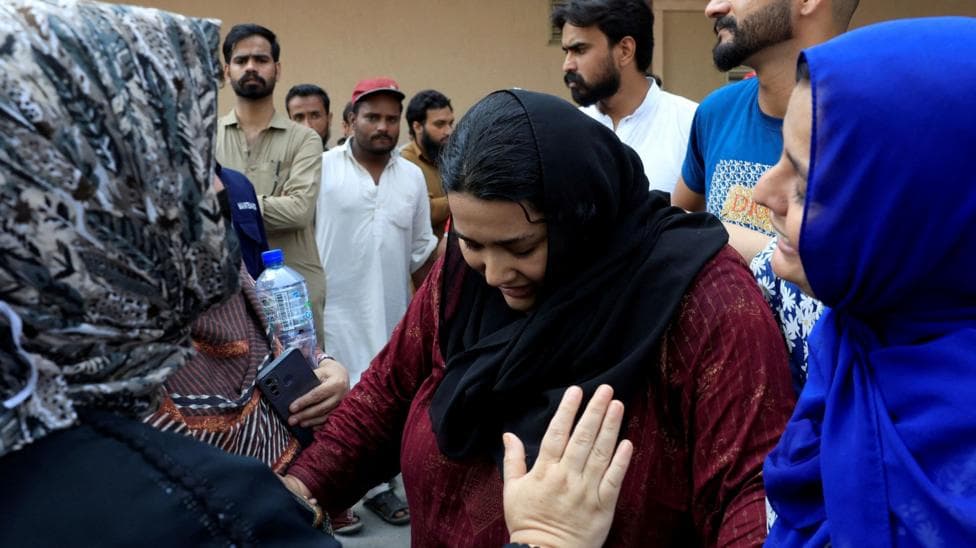
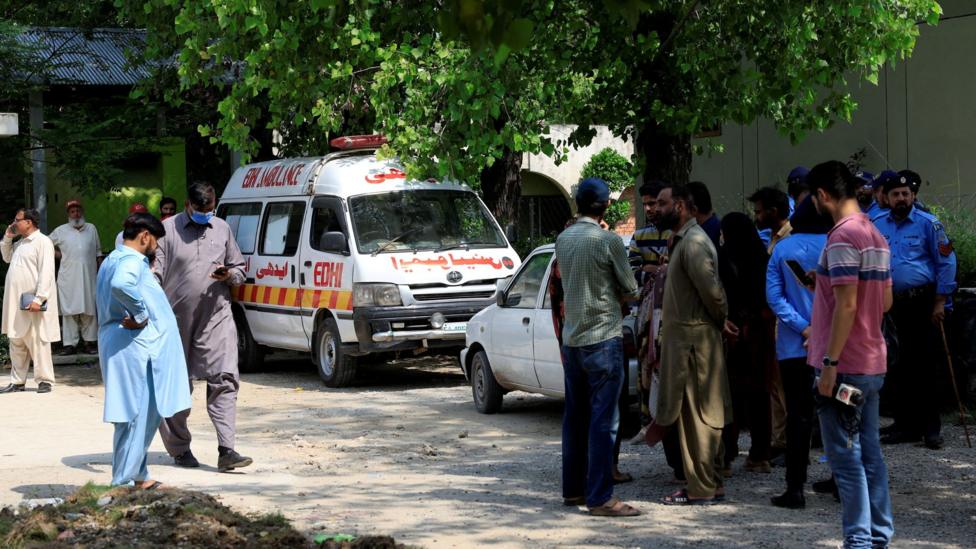
Emergency responders rescued at least 19 other people from the hospital beyond the one surviving infant, including 10 women, seven children, and two men. A sense of shock pervaded the hospital entrance, where family members gathered crying by the side of the ward. Police patrolled the entrance of the facility, and shattered glass from broken windows lay scattered on the pavement mixed with medical masks.
The PIMS maternal and child health unit operates 156 beds, making it a major facility for obstetric and paediatric care in the capital. The scale of the facility underscores why the incident has drawn national attention and prompted immediate action from the highest levels of government.
What is Pakistan's history with major fires?
Pakistan has experienced a number of catastrophic fires in recent years, often attributed to poor safety laws and building codes as well as inadequate enforcement of existing regulations. In January, a fire tore through the Gul Plaza shopping centre in Karachi, Pakistan's largest city, killing 67 people. Survivors of that fire reported that locked exits likely contributed to the high number of fatalities. The recurring pattern of deadly fires has raised concerns about structural safety and emergency preparedness across the country's public and commercial buildings.
What happens next?
The fact-finding committee is due to submit its report within 24 hours of being formed. The investigation will examine the exact cause of the fire, assess whether fire-safety measures at the hospital were adequate, and evaluate how effectively rescue teams responded to the emergency. The findings are expected to inform policy decisions about fire safety standards in Pakistani hospitals and other public facilities.