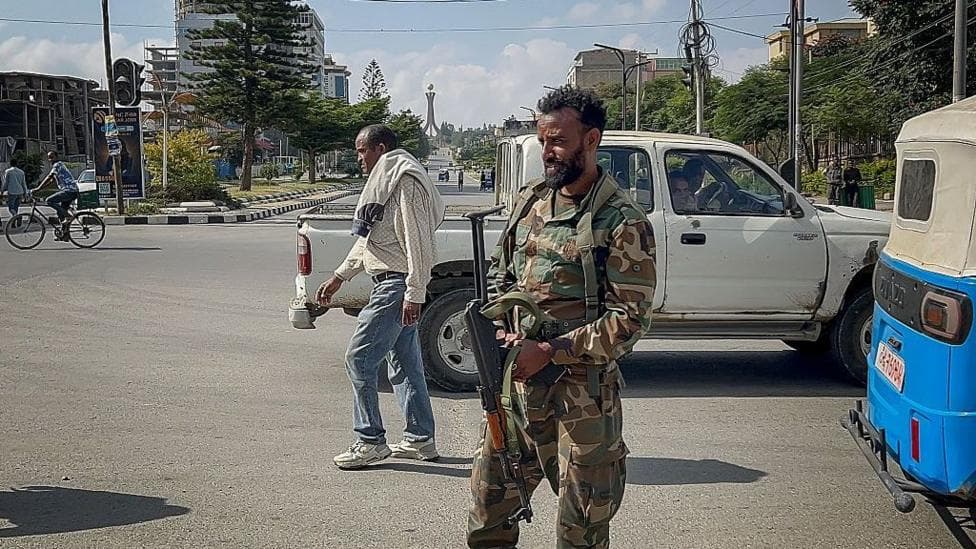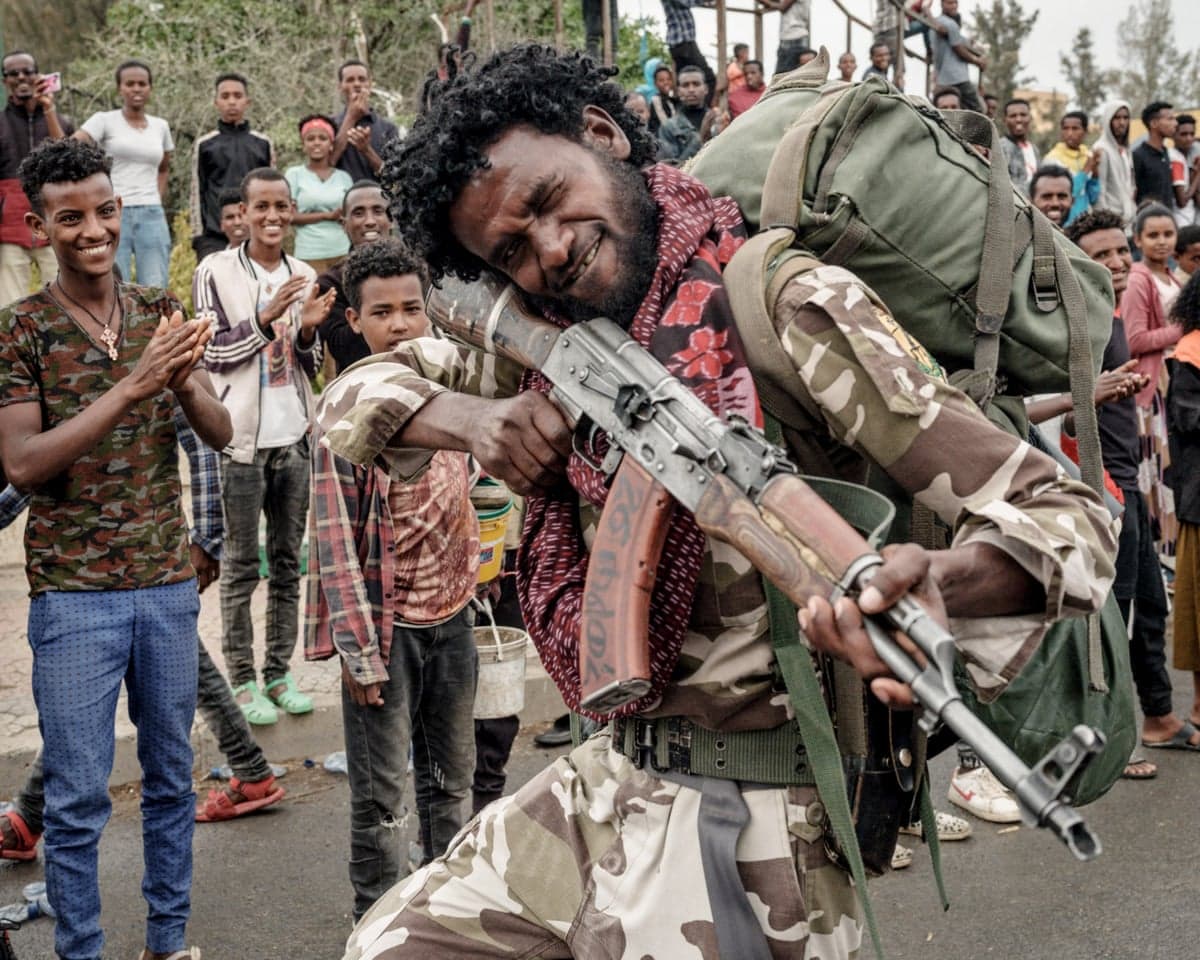
Renewed conflict in Ethiopia's Tigray region has triggered reports of systematic forced recruitment targeting men and boys, with witnesses describing armed groups rounding up civilians from streets and public transport. The escalation, which began on 23 September when the Tigray People's Liberation Front (TPLF) launched attacks it characterized as retaliation for federal drone strikes, has shattered a ceasefire agreed in November 2022 and raised alarm over a deepening humanitarian emergency.
The conflict has drawn in unexpected military actors. The Eritrean Defence Forces and Amhara militias—forces that committed documented war crimes and crimes against humanity during the 2020-22 war—have now switched sides and are fighting in support of the TPLF, according to multiple accounts. This realignment has coincided with intensified conscription efforts targeting the civilian population across a wide age range.
Who is being forcibly recruited?
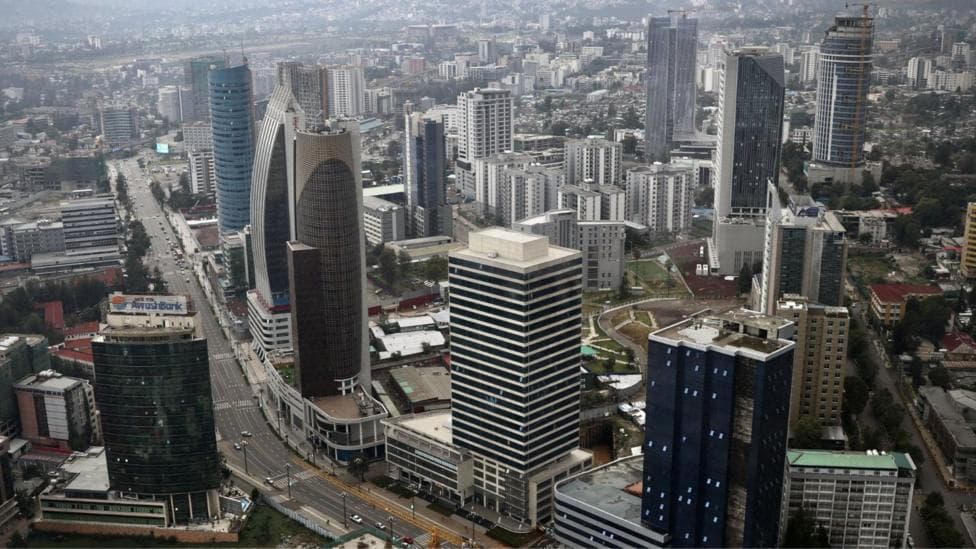
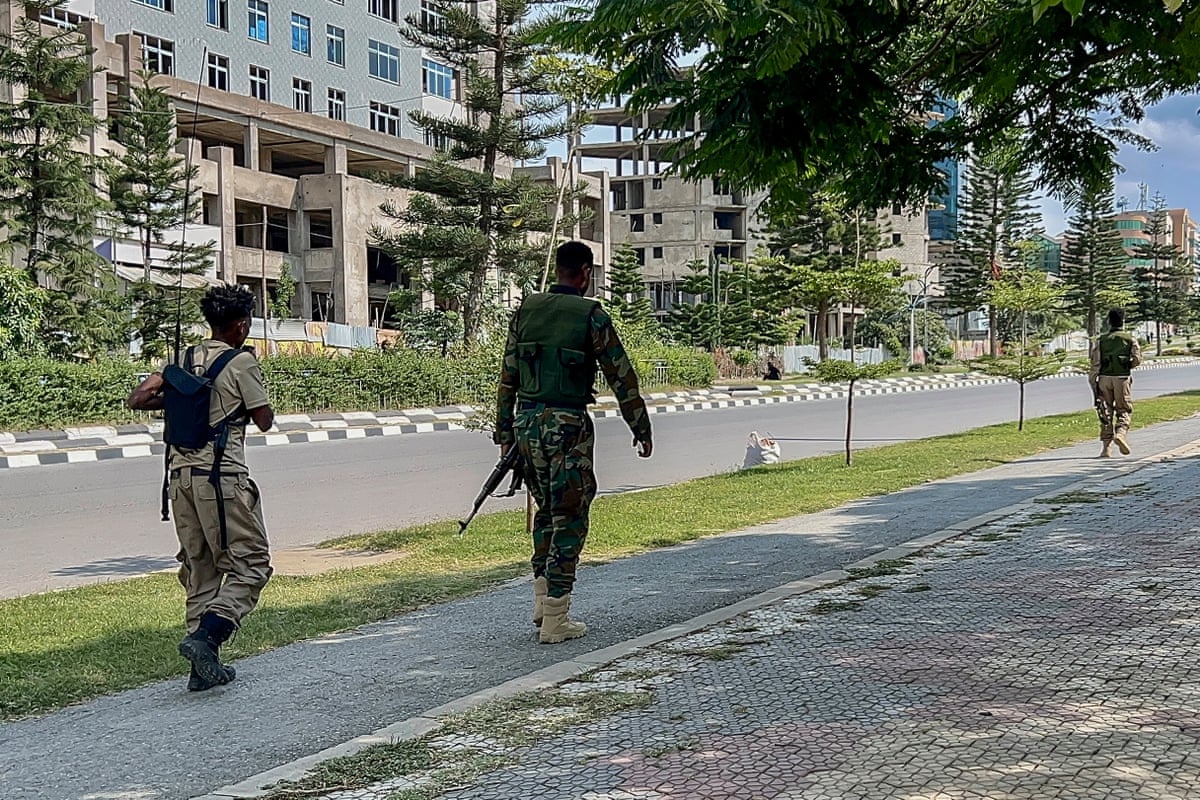
Testimonies from people in the region paint a picture of indiscriminate roundups. Witnesses described armed groups targeting men and boys between 15 and 65 years old, with particular focus on those aged 15 to 40. Solomon, a 52-year-old who managed to flee to Addis Ababa, recounted seeing TPLF personnel seizing teenagers at gunpoint from streets and public transport hubs. "I have seen the armed group of the TPLF rounding up people as young as 15 and 16 at gunpoint from the streets and public transportation areas," he said.
"The main targets are those between the ages of 15 and 40. I know parents who tried to save their children by showing medical certificates. The officers don't care whatever internal disease you have; they forcefully recruit anyone whose hands, eyes and feet work."
According to Human Rights Watch, forced recruitment intensified in late April, with coordinated operations in streets, markets and gold-mining sites, and neighbourhood informants being deployed to identify potential recruits. The TPLF has denied using forced recruitment methods.
How are people resisting conscription?
Those with resources have sought to evade military service through various means. Ephrem, a 40-year-old father of three, described the climate of fear pervading daily life.
"Every time I go outside the house, my wife and the kids are anxious. The kids cry fearing that I will be rounded up from the street."He explained that wealthier residents have managed to protect themselves and their families through bribery.
"People who have money protect themselves and their children from the forced recruitment by bribing the officers. It is devastating; no one wants to join the war."
Gezu, 34, a survivor of the previous conflict who had lost friends in combat, was approached by TPLF authorities to rejoin their forces.
"I refused to join the war. I responded to them to kill me rather than ever force me back to the horrors of the battlefield."He noted that when voluntary recruitment failed, authorities shifted to street roundups.
"When they saw no one would join their army willingly, and people fleeing to the capital city, they started rounding up people from the streets."
What is the humanitarian impact of the siege?
Beyond recruitment, the region faces acute economic hardship. The federal government froze citizens' bank accounts for a week, leaving residents unable to access savings. Banks subsequently reopened with a daily withdrawal limit of 2,000 birr (approximately £9), creating long queues and severe cash shortages. Negus, an elderly resident of Mekelle, described the impossible arithmetic of survival.
"We don't know for how long the siege and the war are going to stay. A daily withdrawal limit of 2,000 birr can hardly afford to buy the skyrocketing food prices. It is impossible to leave this embattled region. There is no way for relatives outside to send medicine or cash."
Communications blackouts have compounded the crisis. Internet and phone services were cut off on TPLF orders until recently, severing families from information about relatives trapped in the region. On 23 September, Ethiopian Airlines suspended all flights to and from Tigray after TPLF forces seized Mekelle airport, stranding people who had been attempting to flee in anticipation of renewed violence. The International Committee of the Red Cross evacuated 161 people from Mekelle to Semera in Afar on 28 September, providing one of few escape routes for civilians.
What is the military situation on the ground?
The fighting has expanded beyond Tigray's borders. According to ACAPS assessments, combat has spread across Tigray, Afar and Amhara regions, with federal drone strikes in the weeks preceding the escalation striking schools and a food-aid delivery truck. On 4 October, Ethiopian federal forces entered Mekelle itself, according to humanitarian sources, with federal and allied troops reported at multiple locations throughout the regional capital.
The Ethiopian government has been accused of conducting indiscriminate drone airstrikes, while opposition forces have mounted attacks approaching Addis Ababa. During the 2020-22 conflict, an estimated 600,000 people died according to the British government. International investigations found that the Ethiopian army, Eritrean forces and Amhara militias committed grave atrocities amounting to war crimes and crimes against humanity. Tigrayan forces were also accused by Amnesty International of committing abuses.
What was the state of the ceasefire before fighting resumed?
The November 2022 peace agreement that preceded the current escalation had been fragile and incomplete. A February 2026 assessment of the Pretoria peace deal found that key commitments—including transitional justice mechanisms, resolution of territorial disputes and restoration of constitutional order—remained largely unmet. Tigray did not participate in Ethiopia's 1 June 2026 national election, with territorial control and the region's political reintegration remaining unresolved, creating conditions for renewed tension.
Key Facts
- Renewed fighting began on 23 September 2026 between federal forces and the TPLF, breaking a ceasefire in place since November 2022
- Witnesses report systematic roundups of men and boys aged 15 to 65, with particular targeting of those aged 15 to 40
- The Eritrean Defence Forces and Amhara militias, previously documented as perpetrators of war crimes, have switched allegiance to support the TPLF
- The region faces a severe economic crisis with bank account freezes and daily withdrawal limits of 2,000 birr, alongside communications blackouts
- Federal forces entered Mekelle on 4 October, with fighting spreading across Tigray, Afar and Amhara regions