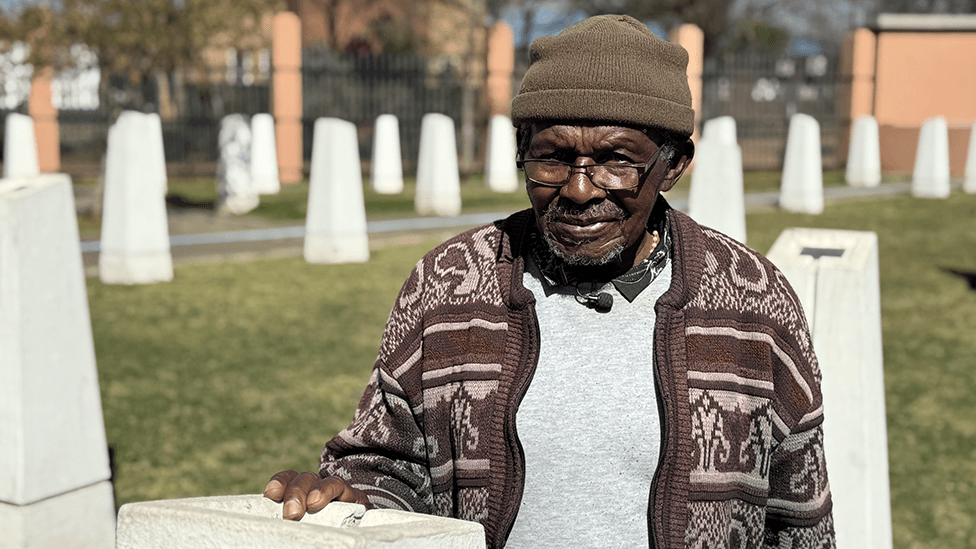
Abraham Mofokeng was 20 years old when he participated in a peaceful demonstration in Sharpeville on 21 March 1960 against the oppressive pass laws enforced by South Africa's white-minority government. Decades later, at 86, he still bears the physical scars of that day: a bullet lodged in his spine and a permanent limp from a gunshot wound to his leg. Now, survivors of the massacre and relatives of those killed have launched a legal challenge to overturn the 1961 Indemnity Act, the apartheid-era law that has shielded police and government officials from prosecution for 66 years.
The legal action, announced on Thursday, represents a watershed moment for a community that has waited generations for justice. More than 70 survivors and family members have expressed interest in joining the case, which seeks to have the Indemnity Act declared unconstitutional under South Africa's 1994 constitution. The case is being brought on behalf of Mofokeng, along with two descendants aged 71 and 72 whose fathers were killed in the massacre.
Mofokeng explains the context of his participation in the demonstration with clarity born of lived experience.
"We weren't seen as people,"he recalls.
"All you were good for was working. You couldn't question them, you were supposed to just do as you're told."
What were the pass laws and why did people protest?
The demonstration on 21 March 1960 was organised in response to the racist pass law system that severely restricted the movement of Black South Africans. Under apartheid, Black people were forced to carry a document known as a passbook, called "dompas" in Afrikaans, which determined where they could travel and work. Possession of this document was mandatory, and those found without it—or discovered in a "whites-only" area without authorisation—faced beatings and imprisonment.
Leaders of the Pan Africanist Congress called for a mass march against these restrictions in March 1960. Thousands responded, including the then-20-year-old Mofokeng, who believed the demonstration would remain peaceful.
"The life we were living under apartheid was a life of oppression. We could not move around freely. We ended up planning to march to the police station against these passbooks that were being used to oppress us,"he explains.
How did police respond to the peaceful protest?
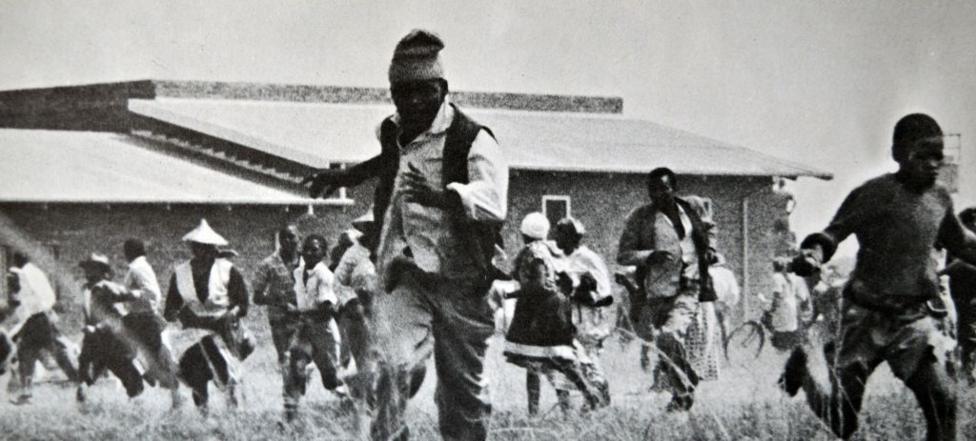
Police arrived at the demonstration heavily armed and equipped with weapons far exceeding what would be necessary for crowd control. Mofokeng describes the scene:
"[The police] had rifles, machetes, even shields. We explained to the police that we didn't want the passes anymore and we were prepared to go to prison. There was a commotion, then all hell broke loose when the police started shooting."
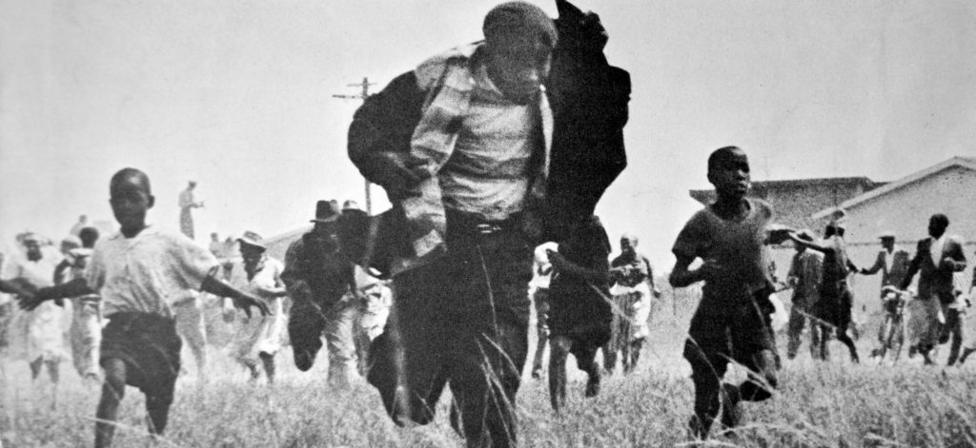
The violence was indiscriminate and brutal. At least 69 protesters were killed by police gunfire on that day, though recent estimates by South African researchers have revised the death toll upwards to as many as 91. More than 200 people were injured, including Mofokeng. It is believed that more than 1,300 bullets were fired into the crowd. Archive photographs from the immediate aftermath show police officers walking among corpses lying where they had fallen.
Another survivor, Larazus Magotsi, now 90 years old, witnessed the horror firsthand.
"We heard gunshots and ran and hid inside a store, peeping to see what was happening outside,"he recalls.
"People were lying on the ground. When we looked out again, we saw that some were trying to get up, but the police were just shooting at them. Others were using machetes to strike the heads of people who were still moving."
Why has there been no prosecution for 66 years?
The massacre exposed the violent nature of the apartheid system to the world and became a pivotal moment in the anti-apartheid movement. However, justice for the victims never materialised. The only legal proceeding that followed was a failed attempt to charge the protesters themselves with affray. The reason for this impunity lies in the 1961 Indemnity Act, passed by the apartheid government in the wake of the massacre. This law protected police and government officials from both criminal charges and civil claims related to what occurred at Sharpeville.
Despite South Africa's transition to democracy in 1994 and the election of Nelson Mandela as president, the Indemnity Act has remained on the statute books. The apartheid system itself was dismantled, but the legal shield protecting those responsible for the massacre was never removed.

The Truth and Reconciliation Commission (TRC), established by Mandela's government and chaired by Archbishop Desmond Tutu, investigated crimes committed during the apartheid era and granted amnesty to perpetrators who fully disclosed their actions. However, the TRC process faced significant criticism: no police officers applied for amnesty for the Sharpeville shootings, and the process did not result in criminal convictions, leaving many victims without the justice they sought.
What is the legal challenge seeking to achieve?
South African non-governmental organisation Lawyers for Human Rights, together with UK-based law firm Leigh Day, has filed a case at the High Court arguing that the Indemnity Act is unconstitutional under the new constitution that came into effect in 1994. The legal team is seeking to have the matter certified as a class action, which would allow dozens of victims and relatives of those killed to collectively sue the state for the first time since 1961.
Charne Tracey, one of the lawyers on the case, explains the broader significance of the claim:
"Apart from the individual damages, what the community's looking for is basically reparations to enable their healing. They feel as though Sharpeville is a forgotten community."She adds that
"nothing has been done that assists with their healing and improvement of their quality of life, or remedy the long-term effects of what they've suffered."
If the class action is certified and succeeds, it could potentially open the door to criminal charges being brought against any surviving alleged perpetrators. The plaintiffs have named President Cyril Ramaphosa, the justice minister, and the police minister as respondents in the case.
Constitutional law expert Prof Frans Viljoen supports the legal challenge, arguing that repealing the old law is important to
"clean up"the legislation and
"close a chapter on the past."He explains the legal principle at stake:
"Although South Africa has a very transformative constitution… The principle of continuity of statehood still applies, which is why the case can be brought against the current state. So if there were laws in our statute book in 1994, the constitution explicitly says they remain in force until parliament repeals them, abolishes them or changes them."
What does Sharpeville look like today?
Though Sharpeville holds profound historical significance in the struggle against apartheid, the township itself bears the marks of decades of neglect. The once-tarred roads south of Johannesburg have largely returned to dirt. Many houses remain the small, brown-faced brick structures built under apartheid-era government housing schemes. The earth is dry and barren, with heaps of rubbish accumulating throughout the neighbourhood.
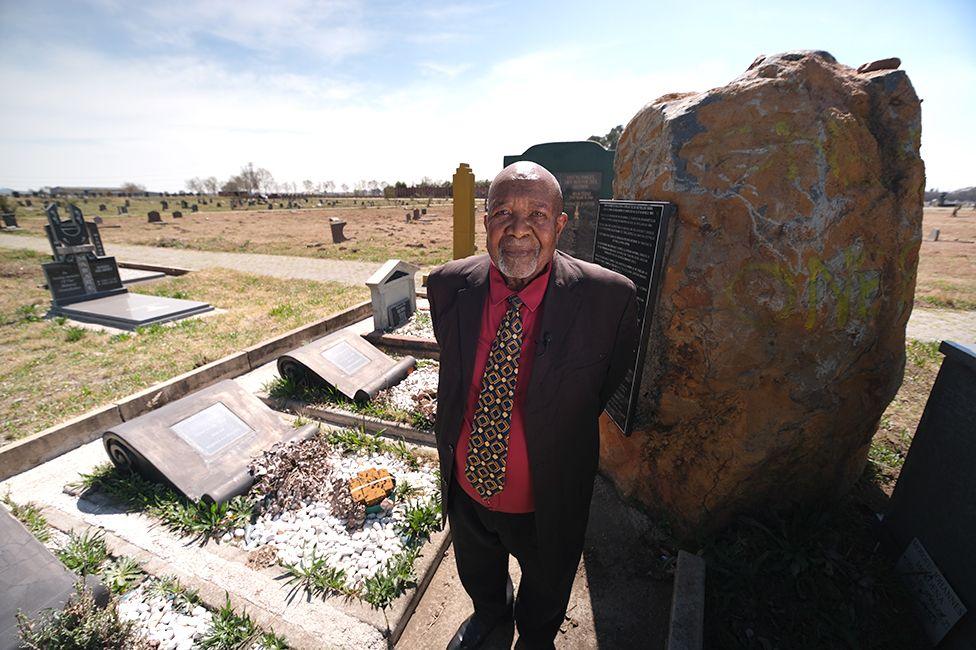
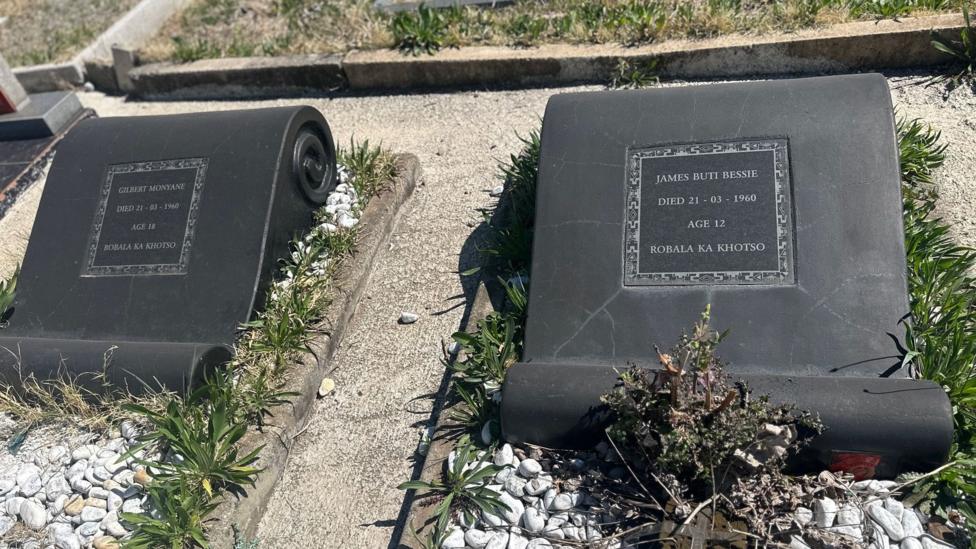
The Human Rights Precinct, a memorial park in Sharpeville, documents the massacre through 69 white pillars, each representing one of those killed. Most of the victims are buried in a long row in the township's cemetery, their graves a physical testament to the loss inflicted on the community.
What has been done to address apartheid-era violence?
The South African government has stated that it has supported apartheid victims over the years and will continue to do so. According to the justice department, 560 TRC-recognised victims of apartheid-era violence have received individual grants totalling approximately $31 million (£23 million). However, the department acknowledged that not all Sharpeville survivors and relatives had been identified and encouraged them to come forward to claim recognition and potential compensation.
For many in the Sharpeville community, these measures have been insufficient. The absence of criminal accountability, combined with limited reparations, has left deep wounds that remain unhealed. Mofokeng expresses the hope that the legal case will bring the closure and healing that has eluded survivors for so long:
"Apartheid is dead and buried. A win would bring complete healing, not just for us, but for future generations as well. Considering how people died, many have not completely healed."
What happens next?
The High Court must first decide whether to certify the matter as a class action before the wider damages claim can proceed. If the court allows the case to go forward, it could open the door to possible criminal charges against any surviving alleged perpetrators. The outcome of this legal challenge will determine whether survivors and families of those killed finally receive the justice and reparations they have sought for more than six decades.
Key Facts
- At least 69 people were killed when police opened fire on peaceful protesters at Sharpeville on 21 March 1960; recent estimates suggest the death toll may have been as high as 91.
- The 1961 Indemnity Act shielded police and government officials from prosecution for the massacre, and remains in force despite South Africa's transition to democracy in 1994.
- Survivors and relatives are seeking to have the Indemnity Act declared unconstitutional and to pursue damages through a class action lawsuit.
- The case is being brought against President Cyril Ramaphosa and the justice and police ministers, with more than 70 survivors and family members expressing interest in joining.
- If successful, the legal challenge could result in both civil compensation and potential criminal charges against any surviving alleged perpetrators.