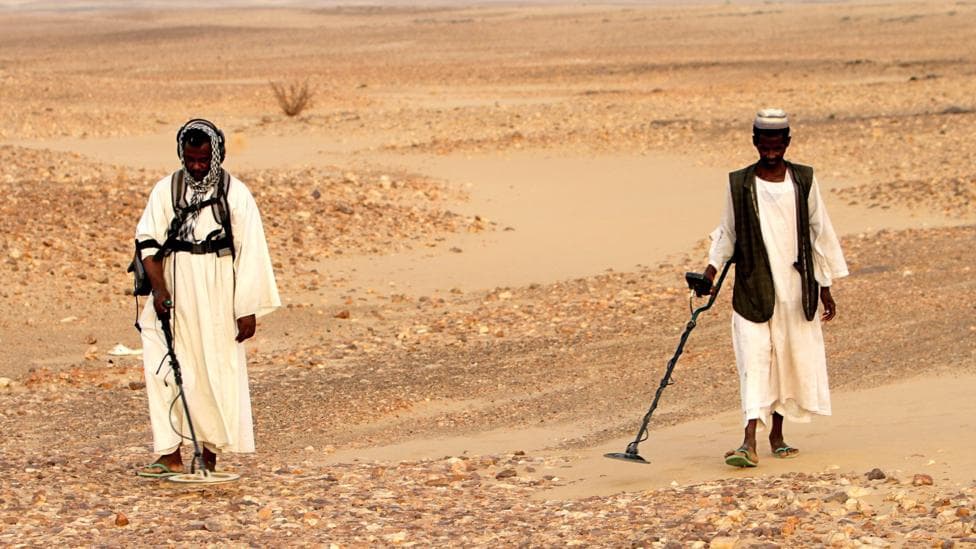
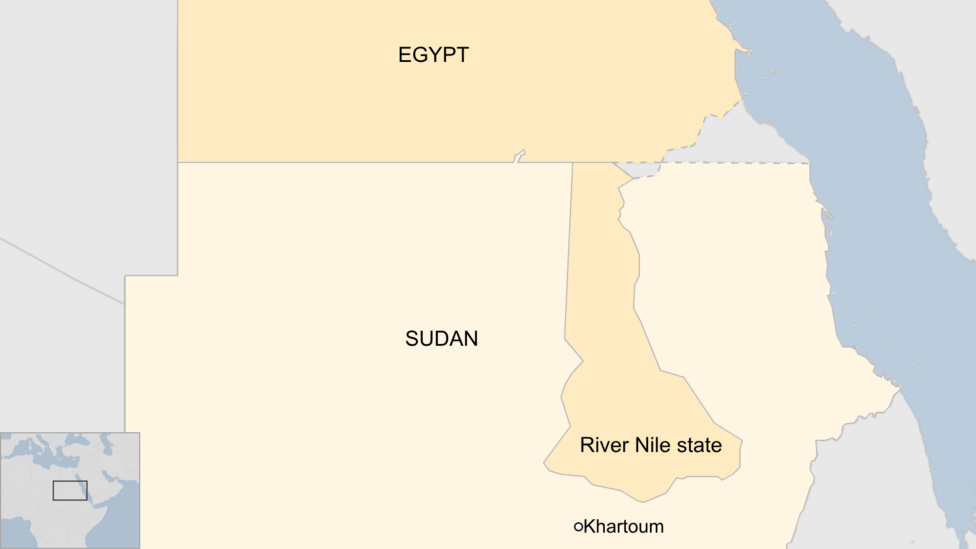
At least 72 civilians engaged in gold prospecting have died in airstrikes targeting a mining region along Sudan's border with Egypt, according to Emergency Lawyers, a human rights organisation based in Khartoum. The strikes occurred on Saturday at artisanal mining sites in Sudan's River Nile state, though neither Egyptian nor Sudanese authorities have issued official statements in response.
The death toll remains uncertain and may climb significantly. A separate account from the Sudan Doctors Network documented at least 13 dead and 28 injured, though it could not immediately determine who carried out the strike. Meanwhile, the Sudan Founding Alliance (TASIS) alleged that more than 200 people were killed, a figure that has not been independently verified. According to , Emergency Lawyers blamed the Egyptian air force, though could not immediately verify the claim.
Eyewitnesses described the assault beginning around 06:00 local time on Saturday, with aircraft firing more than five missiles directly at miners' camps. The strikes destroyed both the temporary settlements and excavation pits, with workers still present inside them at the time. Miner Mirghani Malik reported that at least 20 wounded workers were transported to Al-Ansari market for treatment, while hundreds of others fled to nearby mountain ridges without access to water or supplies.
What does this incident represent?
Emergency Lawyers characterised the strikes as a grave breach of international law.
The deliberate targeting of unarmed civilians violates international humanitarian law and the right to life. These acts may constitute war crimes.The organisation also highlighted that this attack follows a pattern of alleged Egyptian operations against gold miners in the same region, noting that such incidents reveal the Egyptian government's insufficient control over the border area and represent violations of Sudanese sovereignty.
Why is gold mining a flashpoint on this border?
Sudan's ongoing civil war has driven a dramatic expansion in artisanal mining—a practice in which civilians use basic tools to extract minerals without official authorisation, often in remote and dangerous locations. The River Nile state contains significant gold deposits situated along porous borders historically used for smuggling. Artisanally mined gold from these areas potentially enters illicit trade channels, raising concerns that such material may fund armed insurgent groups operating within Sudan's conflict zones.
Egypt has expressed alarm that unregulated Sudanese gold could undermine its legitimate domestic gold market. In June, Egypt's border agency announced a comprehensive security operation targeting illegal migration, drug trafficking, and unauthorised mining along the frontier. That same month, the agency reported seizing 86 tonnes of gold ore alongside amateur prospecting equipment. Egypt also stated it had conducted a large-scale operation against illegal gold mining and detained 223 people, including 136 foreign nationals.
What is the history of these tensions?
Cairo has faced repeated accusations of conducting deadly strikes against gold prospectors as part of enforcement efforts along its southern border. In June, reports emerged that Egyptian forces had deployed drones and artillery against artisanal mining sites in the same region, killing several workers. Those incidents followed sporadic clashes in which Egyptian border guards burned equipment, set fire to temporary structures, and fired live ammunition to disperse miners.
The Halayeb Triangle is claimed by both Egypt and Sudan, though the mining area where Saturday's strikes occurred lies south of that disputed territory. Sudan's de facto leader previously announced an investigation into the alleged June strikes, which were reported to have killed dozens of people.
Key Facts
- Emergency Lawyers reported 72 deaths; other groups cited figures ranging from 13 to over 200, with discrepancies reflecting the difficulty of verifying casualty counts in remote border regions
- Eyewitnesses described aircraft firing more than five missiles at miners' camps and excavation sites on Saturday morning
- Sudan's civil war has driven a surge in artisanal gold mining, particularly in border areas where the mineral may enter smuggling networks
- Egypt announced a major security crackdown in June and reported seizing 86 tonnes of gold ore and detaining 223 people involved in illegal mining
- Neither the Egyptian government nor Sudan's de facto authorities have publicly commented on the Saturday strikes