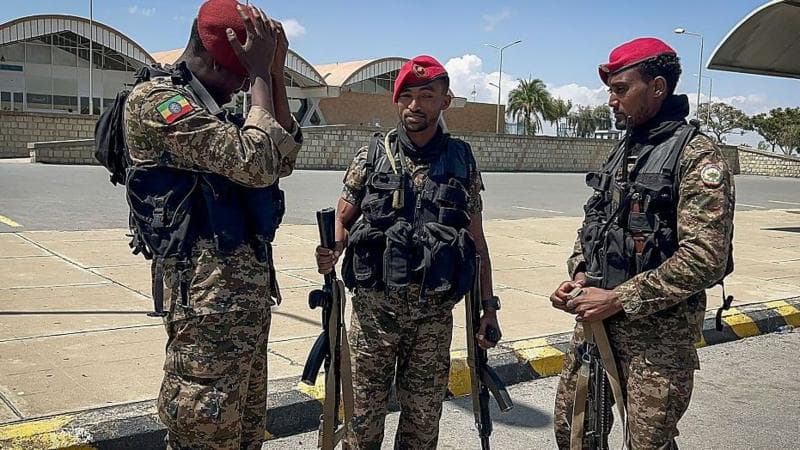
Ethiopia has levelled accusations of an "all-out invasion" against Eritrea following military incursions into its northern Tigray region, with residents reporting that Eritrean forces crossed the border days earlier. The escalation marks a dramatic reversal in relations between the two Horn of Africa neighbours, which had only recently restored diplomatic ties.
In correspondence addressed to the UN Security Council dated 8 October, Ethiopia's foreign minister characterised the military action as a "blatant act of aggression that engages Ethiopia's inherent right to self-defence". The statement came after reported airstrikes targeted Eritrean military positions in Tigray. According to Turkish state media reporting, Ethiopia's letter also alleged that Eritrea had deployed mechanized army units into Tigray and demanded the immediate withdrawal of Eritrean forces.
Eritrea's Information Minister Yemane Gebremeskel rejected these claims, characterising his country as the victim of "an unprovoked war of aggression" from its neighbour. He further accused Ethiopia's leadership of pursuing regime change in Eritrea, stating in a post on X that the country was "openly working to bring about regime change in Eritrea by providing shelter and support to certain mercenaries who claim to be opposition".
How did the current fighting begin?
Armed conflict between the Ethiopian federal government and the Tigray People's Liberation Front (TPLF), the party controlling the Tigray region, erupted two weeks ago. The TPLF launched attacks against federal forces on 23 September, according to reports of the renewed fighting. Both sides accuse each other of breaching the 2022 peace agreement that concluded the previous civil war, though Eritrea was not a signatory to that accord.
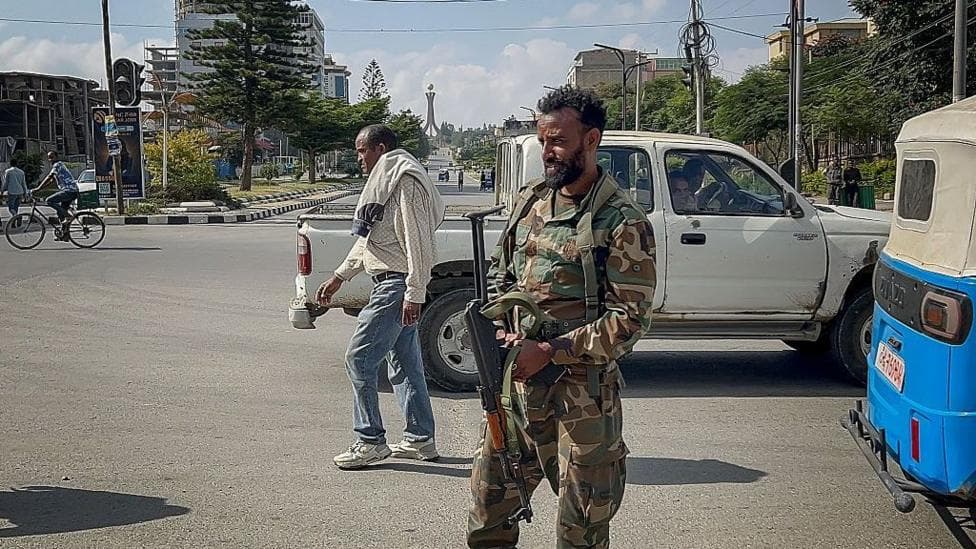
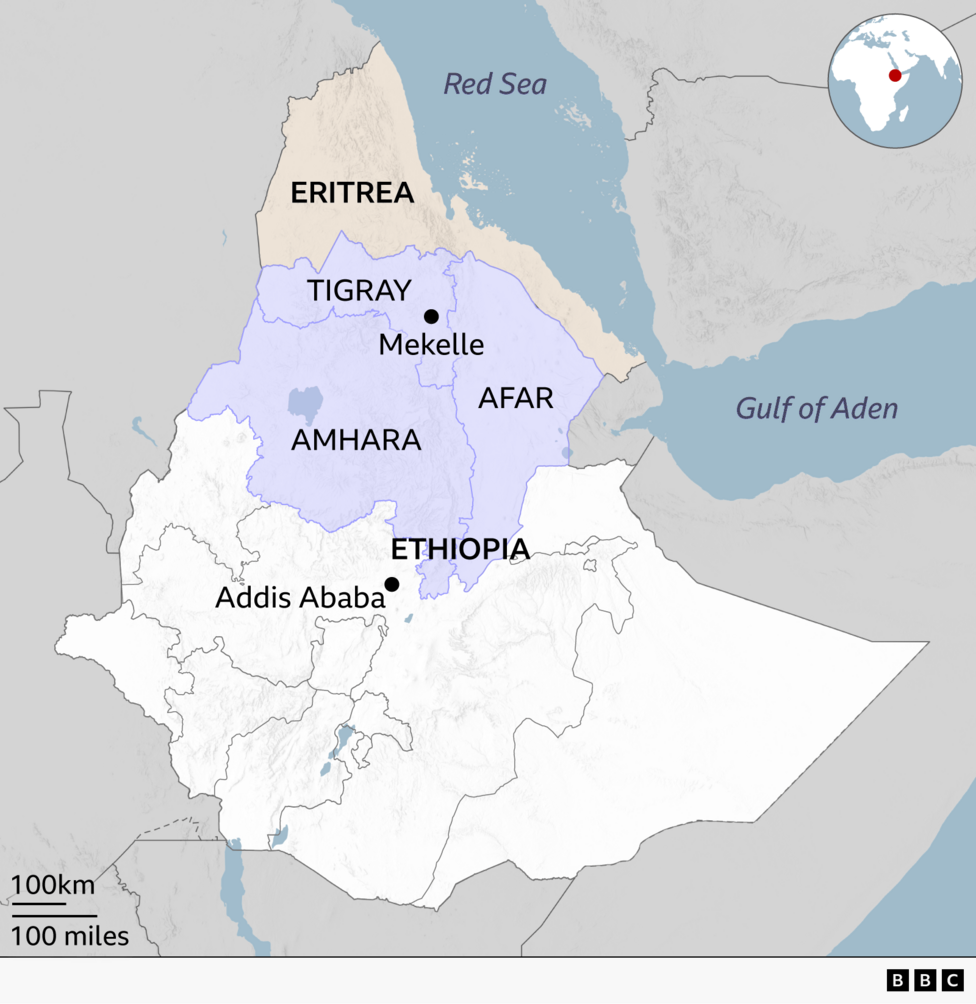
Ethiopian forces captured Mekelle, Tigray's principal city, from rebel forces last week. The city lies approximately 115 kilometres south of Adigrat, a town that has become a focal point of recent military activity.
What role is Eritrea playing?
Ethiopia contends that Eritrea is backing the TPLF, a claim Eritrea denies. According to reporting from the region, Ethiopia's army chief, Field Marshal Birhanu Jula, has accused Eritrea, Sudan and Egypt of supporting Tigrayan rebels—allegations that all three countries have rejected.
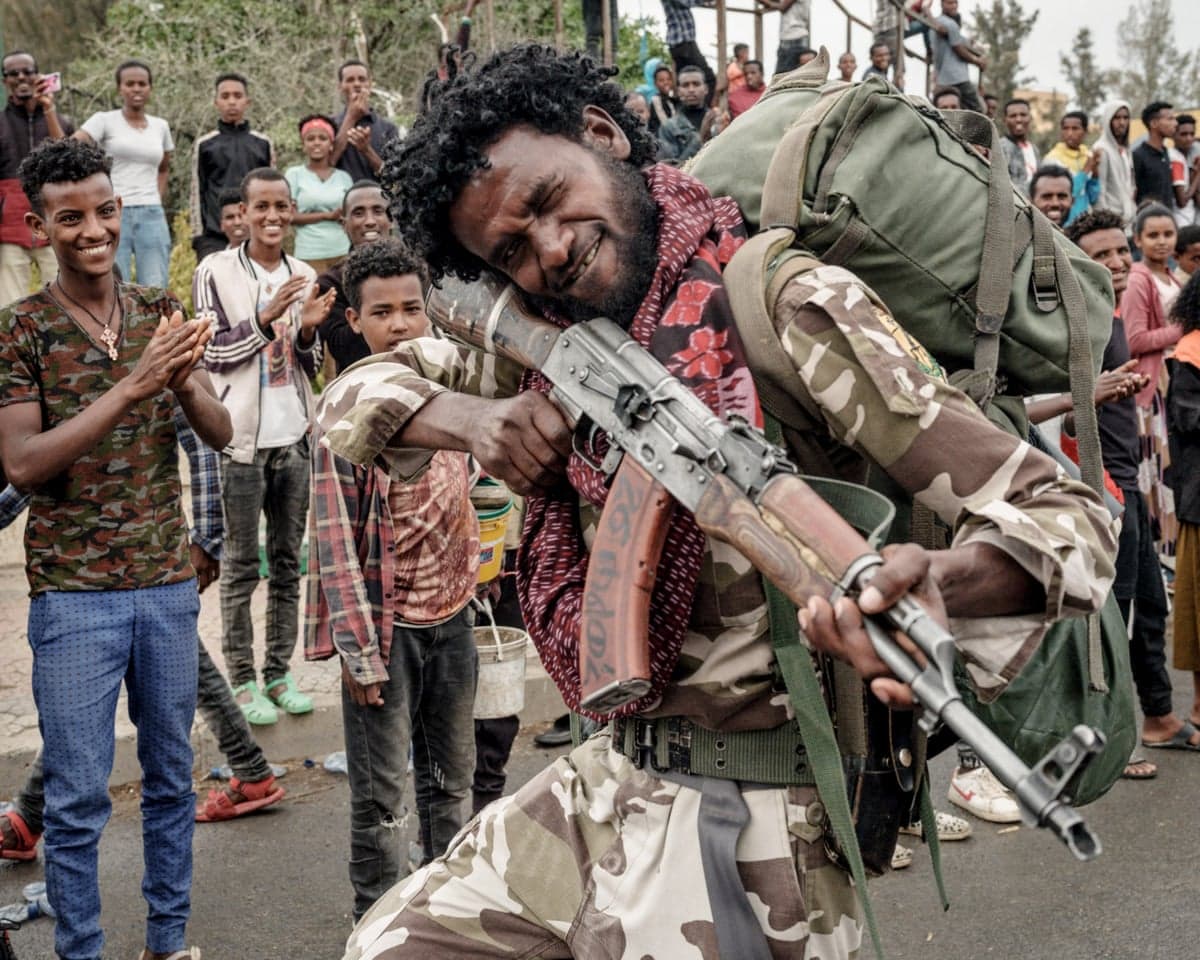
During the two-year civil war that ended in 2022, Eritrea served as a crucial military ally to the Ethiopian government, fighting alongside federal forces against the TPLF. However, the relationship between the two nations has deteriorated significantly since then, largely driven by Ethiopian Prime Minister Abiy Ahmed's ambitions to gain control of one of Eritrea's Red Sea ports. This tension culminated in the severing of diplomatic ties last week.
According to international news reporting, Ethiopia closed its embassy in Eritrea and expelled 10 Eritrean diplomats, prompting Eritrea to announce it was severing relations entirely.
What military action has occurred?
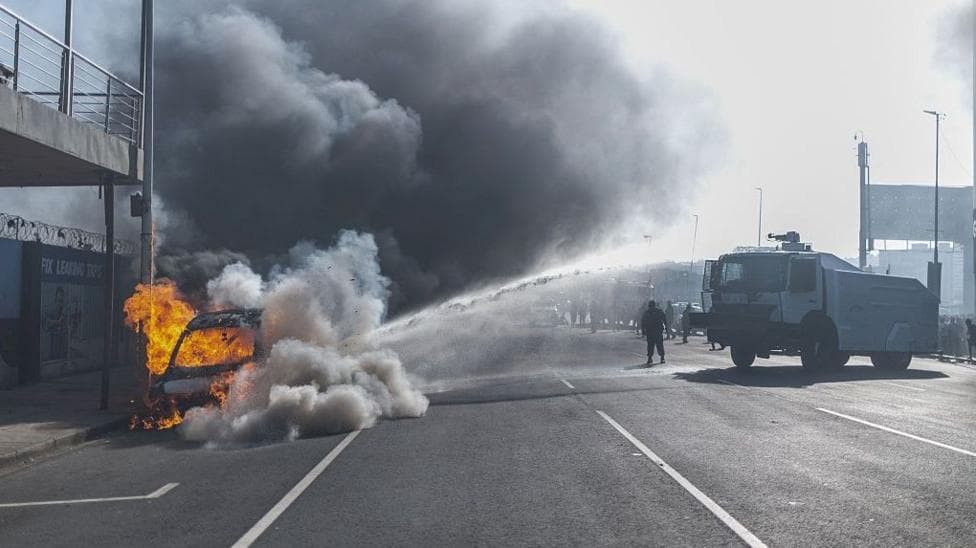
Ethiopian Foreign Minister Gedion Timothewos stated that Eritrean forces had penetrated up to 60 kilometres into Tigray, violating Ethiopian sovereignty. Drone strikes reportedly struck Eritrean military positions in the Tigrayan town of Adigrat on Wednesday and Thursday.
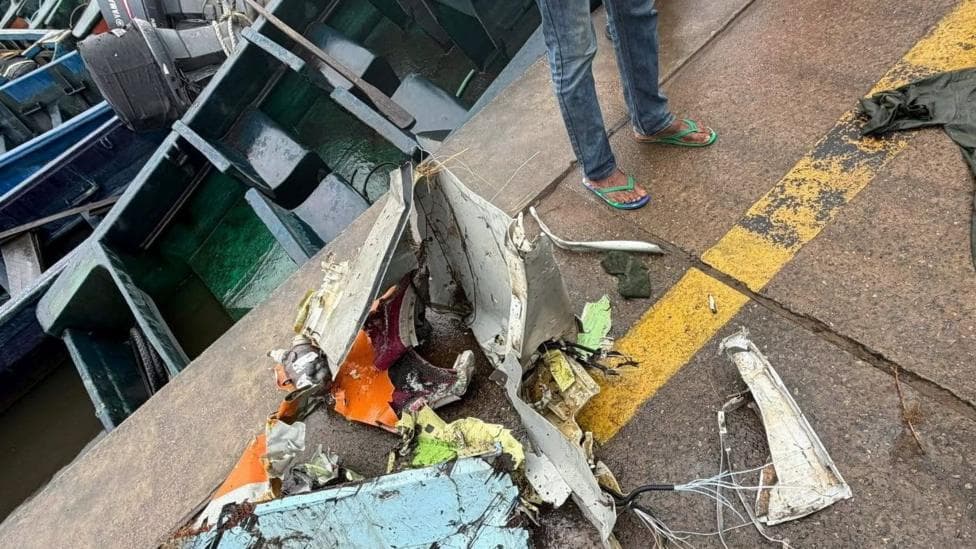
A US-based conflict monitoring organisation reported that "Eritrean troops and ammunition" in Adigrat were hit by "multiple drone strikes" during the night. One resident described the intensity of the bombardment to a news agency, saying "there were many, many drone strikes", and confirmed that some Eritrean vehicles had been destroyed. Another witness indicated that Eritrean forces appeared to be withdrawing northward following the strikes. To date, no verified casualty figures have been reported, and independent verification of events remains limited due to reporting restrictions in the region.

What is the historical context?
Eritrea achieved independence from Ethiopia in 1993 following a three-decade conflict. Diplomatic relations between the two countries were only normalised in 2018, when Abiy Ahmed assumed power as Ethiopian Prime Minister and initiated a process of regional reconciliation. The 2022 peace agreement that ended the civil war between the federal government and the TPLF was signed on 2 November, though it did not include Eritrea as a signatory. Unresolved issues from that accord include territorial administration, security sector reform and the return of displaced populations.
The current escalation follows months of mounting tension and the formation of a new alliance of armed groups in Ethiopia in September, which includes the TPLF among its members. This coalition represents a significant shift in the political and military landscape of the country.
What are the broader implications?
The renewed fighting between federal forces and the TPLF, combined with Eritrean military involvement, raises concerns about a wider regional conflict engulfing the Horn of Africa. The deterioration of Ethiopia-Eritrea relations, coupled with the mobilisation of multiple armed groups, creates a volatile security environment with potential consequences extending beyond Tigray's borders.
In its letter to UN Security Council members, Ethiopia appealed for international support, stating:
"In this time of difficulty, when Ethiopia is left with no other option but to defend itself, we count on your understanding, support, and solidarity."
Key Facts
- Ethiopian forces captured Mekelle, Tigray's main city, from TPLF rebels last week and now control the region's capital
- Ethiopia claims Eritrean forces have advanced up to 60 kilometres into Tigray; Eritrea denies the invasion and accuses Ethiopia of aggression
- Drone strikes targeted Eritrean military positions in Adigrat on 9-10 October, with reports of vehicles destroyed and forces retreating
- Ethiopia and Eritrea severed diplomatic ties last week after tensions over control of Eritrean Red Sea ports
- The TPLF launched renewed attacks on 23 September, triggering the current conflict cycle