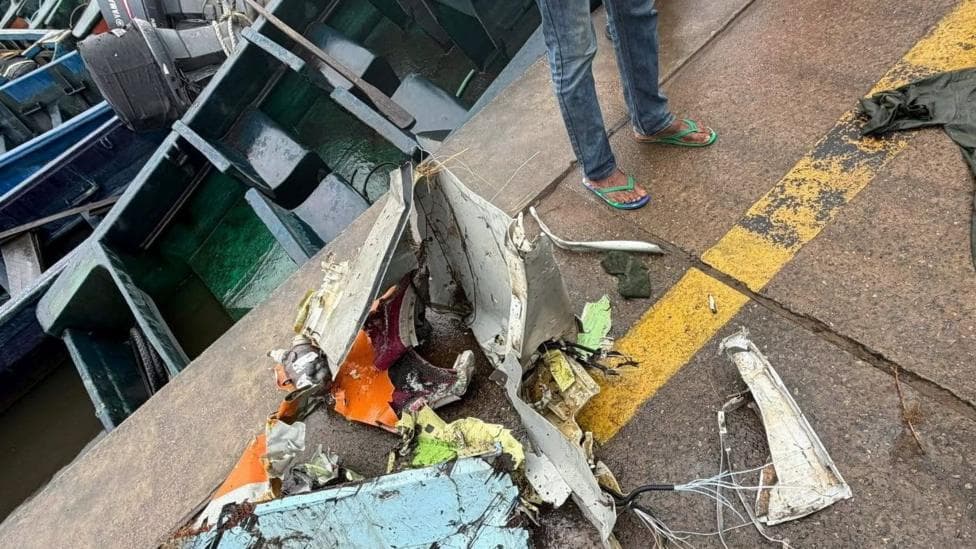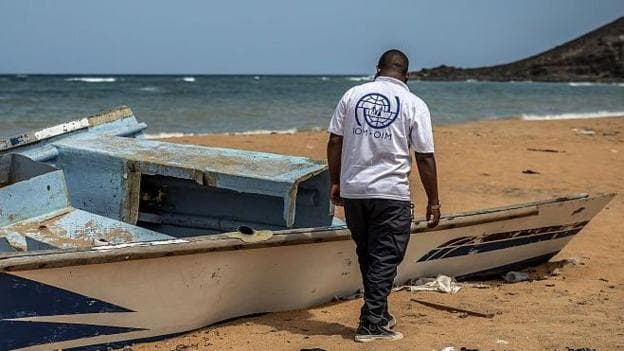
At least 139 migrants, including 15 children, have perished and dozens remain missing following the sinking of a vessel off Djibouti's coast, according to the UN's migration agency. The boat, carrying 305 people from Djibouti bound for Yemen, went down near the port town of Obock on Thursday night, with approximately 82 people pulled to safety, the International Organization for Migration (IOM) reported.
The death toll represents a revision upward from an initial count of 109 after recovery teams located 30 additional bodies. All survivors are Ethiopian nationals and have been provided with medical care and support services.
Why are migrants making this dangerous crossing?
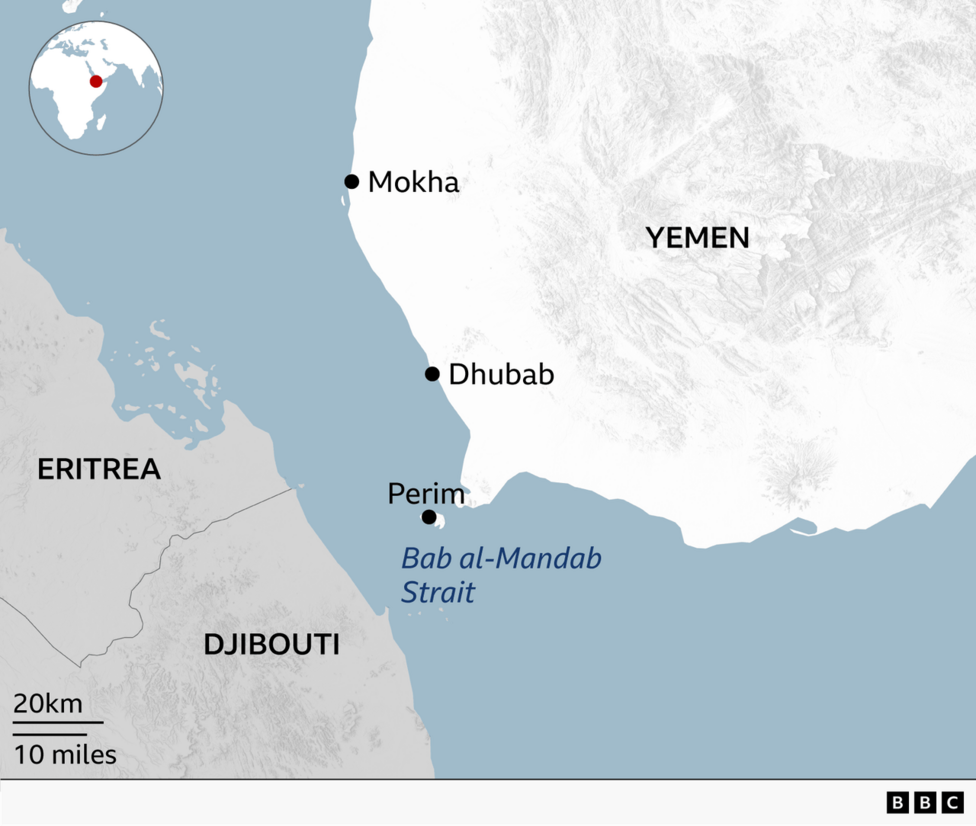
Tens of thousands of people from the Horn of Africa undertake this treacherous route annually in pursuit of employment and safety in Gulf nations. Despite Yemen's ongoing civil conflict, which has ravaged the country for more than a decade, migrants continue to cross the Bab el-Mandeb Strait driven by poverty, insecurity, and the escalating effects of climate change. Since 10 September, the IOM's Displacement Tracking Matrix documented more than 20,000 movements from Ethiopia to Djibouti alone.
The conflict in Yemen has displaced over 130,000 people within the country, according to the UN refugee agency's assessment from last month. Thousands of Yemenis have also fled across the Gulf of Aden to Djibouti to escape the civil war between Houthi fighters and the Saudi-backed Yemeni government.
What caused the boat to sink?
According to reporting from the Associated Press, IOM chief of mission Alexandre Coissac attributed the capsizing primarily to overcrowding. Several survivors required medical intervention after inhaling seawater and are receiving psychological support to process the trauma of the disaster.
How is the international community responding?
The IOM is providing assistance to 64 survivors at its response centre in Obock, delivering healthcare and helping them restore contact with their families. Local authorities are also coordinating burial arrangements for the deceased. The UN agency stated it is collaborating closely with local officials to support migrants and work toward preventing future deaths at sea and on land.
Coissac described the tragedy as a
stark reminder of the dangers migrants face when seeking a new life elsewhere, adding that
this is a devastating loss of life. Our thoughts are with the survivors and the families who have lost loved ones or remain without news of their relatives.
Is this an isolated incident?
This disaster reflects a broader pattern of maritime casualties along this route. More than 900 migrants died or disappeared taking the same passage in 2025, a year that saw an 18% increase in the number of people attempting the journey, according to IOM data. In March 2026, a comparable incident claimed nine lives and left 45 people missing.
According to Euronews reporting, Djiboutian authorities were continuing search-and-rescue operations on 11 October, with concerns mounting for those still unaccounted for.
What happens next?
As documented by international news sources, search-and-rescue efforts remain active, though no specific end date or further scheduled actions have been announced. The IOM continues its commitment to preventing deaths among migrants traversing this perilous route.
Key Facts
- The vessel sank near Obock on Thursday night while transporting 305 people from Djibouti to Yemen
- At least 139 people died, including 15 children, with dozens still missing and approximately 82 rescued
- All survivors are Ethiopian nationals receiving medical care and family reunification support
- Over 900 migrants died or went missing on this route in 2025, during an 18% surge in crossing attempts
- Overcrowding was identified as a primary factor in the capsizing