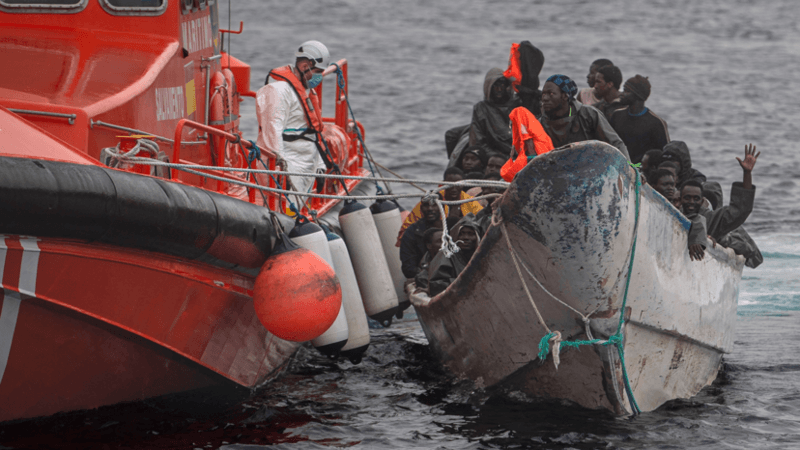
At least 34 people have perished after a wooden boat capsized off the Senegalese coast while carrying migrants towards Spain's Canary Islands, according to BBC News. The vessel sank between Dakar and the northern city of Saint-Louis, with one person rescued and the number of missing still being determined by authorities. The tragedy underscores the escalating toll of maritime migration routes across the Atlantic.
The Senegalese Press Agency (APS) reported the death toll, citing official sources. Initial reports from the Interior Ministry indicated a lower provisional figure, but France 24 later confirmed the toll had risen to at least 34 as search operations continued. The wreck occurred near the Loumpoul dunes in the Kébémer department, approximately 180 kilometres north of Dakar.
Saliou Diouf, founder of Senegalese migrant aid organisation Boza Fii, informed AFP that all recovered bodies identified so far were Senegalese nationals. However, the nationalities of other passengers remain unconfirmed as recovery efforts proceed. Local reporting indicated that most victims came from the Leona and Thiéppe districts in Kébémer.
President Bassirou Diomaye Faye issued condolences to the families of those lost and cautioned Senegalese citizens against undertaking perilous sea journeys. In a statement posted on X, he committed to intensifying action against smuggling networks.
We will relentlessly continue the fight against those who organise these crossings and the work that gives our young people reasons to hope here,he declared.
This disaster reflects a broader crisis affecting West African migration routes. Spanish migrant rights organisation Walking Borders documented 635 deaths on the Atlantic passage to the Canary Islands during the first five months of 2026—the highest mortality rate among all monitored routes. The group estimates that approximately 21 people die for every 100 who successfully reach the islands.
What is driving migration from Senegal?
Economic hardship remains the primary driver of migration from Senegal. Limited employment opportunities, family pressures and established migration networks encourage departure despite the documented risks of Atlantic crossings in overcrowded vessels. Nearly one in four young people in Senegal faced unemployment in the second quarter of 2026, according to the country's statistics agency—a challenge that confronts President Faye's administration as it attempts to generate employment for a predominantly young population that voted overwhelmingly for him in the 2024 elections.
The Atlantic route has gained prominence as European nations and North African states have tightened controls and expanded cooperation, potentially redirecting migration flows away from the central Mediterranean corridor.
What is the broader context of migrant deaths?
Maritime disasters affecting migrants attempting to reach Europe have intensified in recent months. In October 2026, at least 139 migrants, including 15 children, died after a boat capsized off Djibouti while travelling to Yemen, with approximately 82 rescued and dozens remaining missing. The Canary Islands have emerged as a critical entry point for West African migrants, with the Spanish territory experiencing a dramatic surge in arrivals.
A state of emergency was declared on the Spanish island of El Hierro on Saturday following an influx of migrant arrivals. More than 3,300 people have reached the island in approximately 30 boats since early November, representing almost a third of the island's population. Fernando Clavijo, president of the Canary Islands regional government, characterised the situation as
absolutely unsustainable.
What enforcement actions are underway?
Senegalese authorities intercepted a separate vessel on Friday carrying 142 migrants attempting to reach Spain. The group included 23 women, two babies and two other children, with passengers from Senegal, Gambia, Guinea-Bissau, Guinea and Nigeria. Senegal's Interior Ministry announced it would strengthen cooperation with neighbouring countries to combat people-smuggling networks.
What happens next?
Senegal's interior minister was expected to visit the disaster site on Monday, 9 November, to assess the situation and coordinate ongoing recovery operations. The government has pledged to intensify efforts to dismantle smuggling organisations and create conditions that discourage dangerous migration attempts.