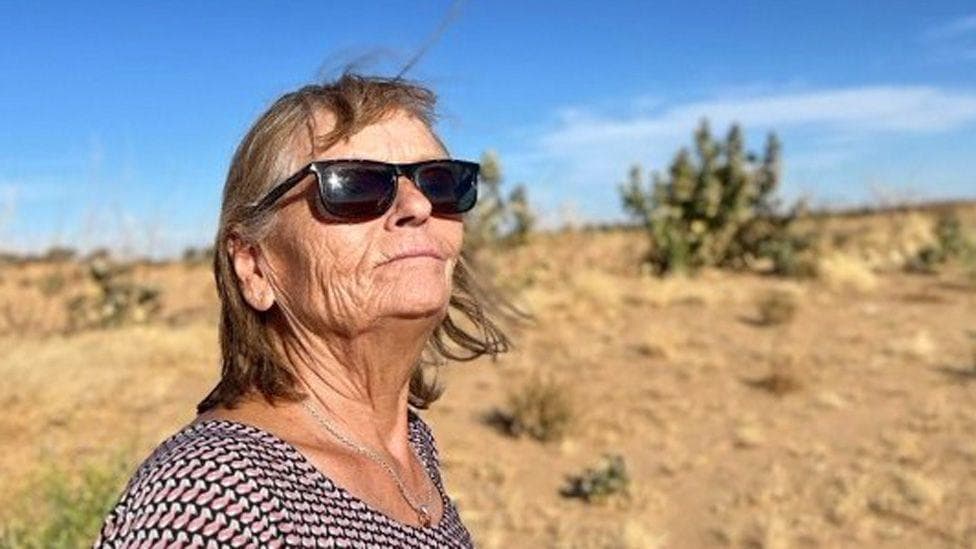
Two European women held captive in Niger for extended periods have been released and transferred to authorities in Libya. According to BBC News, Swiss national Eva Gretzmacher, 76, and Austrian Claudia Abbt, 69, were kidnapped separately in the northern Nigerien city of Agadez in January and April of the previous year. Both women have now been handed over to authorities in the Libyan city of Benghazi and are en route to their home countries.
The circumstances surrounding their captivity and release remain largely undisclosed. No information has been provided about the identity of those holding them or what demands, if any, were made during their detention, though some reports have previously suggested a connection to Islamic State militants. The women expressed gratitude to Khalifa Haftar, the military commander of eastern Libya, and his son Saddam Haftar, crediting them with facilitating their freedom.
According to Austrian news agency APA, Gretzmacher's son reported that his mother had spent almost 21 months in captivity. The women themselves described slightly different durations of their ordeal: Abbt stated she had been held for a year and six months, while Gretzmacher indicated her captivity lasted a year and nine months. Gretzmacher's son also reported on Facebook that both women were freed and aboard a plane to Benghazi on Wednesday evening.
Gretzmacher had spent many years working as an aid worker in Niger before her abduction. Abbt had similarly established herself in the region, having spent several years living and working as a community worker in Agadez. Both women's long-term presence in the Sahel region underscored their commitment to humanitarian work in one of Africa's most challenging environments.
Libyan broadcaster al-Masar documented the women's arrival, showing them entering what appeared to be an ambulance and receiving medical attention from a health worker. Speaking in French, the women thanked those credited with securing their release. A plane was scheduled to depart Benghazi on Thursday, with plans to stop first in Vienna to transfer Gretzmacher to Austrian authorities before continuing to Switzerland with Abbt, according to the privately owned Air Info Agadez news outlet.
Why does kidnapping occur in this region?
Niger and the broader Sahel region have endured years of jihadist violence, including kidnappings and deadly attacks carried out by different militant groups linked to al-Qaeda and Islamic State. The instability has made the region particularly dangerous for both residents and foreign workers. Following the kidnapping of Gretzmacher, JNIM denied involvement shortly after her abduction, though local reports suggested the kidnappers may have handed her to a terrorist group, with circumstances remaining unconfirmed.
What is the political situation in Libya?
Libya has struggled to recover from the instability that followed the 2011 NATO-backed uprising that toppled long-time ruler Muammar Gaddafi. The country remains fractured, split between two competing administrations: one in the east backed by Haftar, and another in the west based in the capital Tripoli, led by Prime Minister Abdulhamid Dbeibah. This division has complicated governance and security operations across the country.
What is happening in Niger?
Niger has been under military control since 2023, when General Abdourahmane Tchiani deposed the country's elected President, Mohamed Bazoum. The military takeover reflected broader instability in the region and has further complicated efforts to address security challenges and protect civilians and foreign nationals operating within the country's borders.
The release of Gretzmacher and Abbt follows a pattern of kidnappings affecting foreign nationals in West Africa. Earlier cases have highlighted the ongoing security risks in the region, with various hostages being freed through different circumstances and interventions.