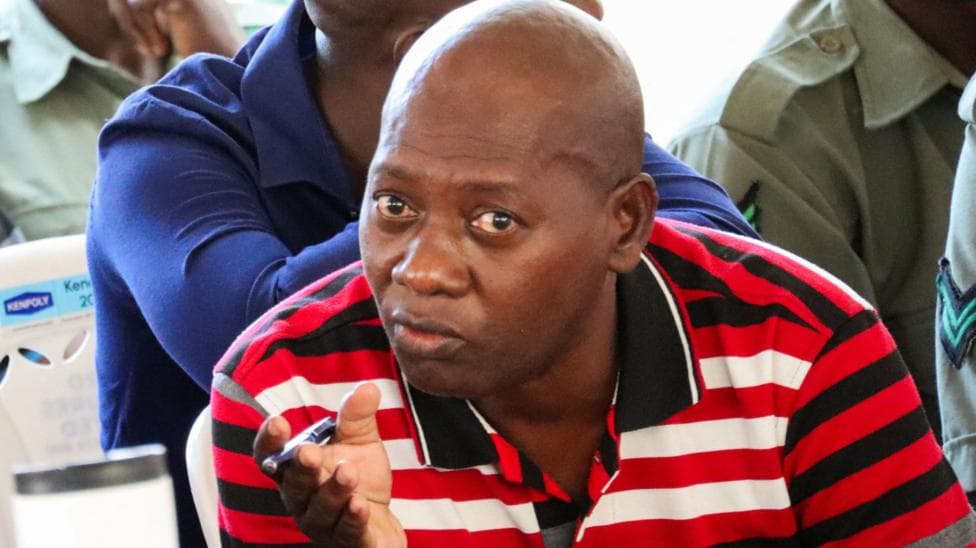
A Kenyan court has handed down a 200-year prison sentence to Paul Mackenzie, the leader of a doomsday cult, for orchestrating the deaths of 191 people, nearly all of them children. According to BBC News, Mackenzie and 27 co-accused were convicted of murder after instructing cult members to starve their children to death in the belief they would "meet Jesus". Justice Diana Mochache delivered the sentence on November 6, 2026, declaring that Mackenzie bore the "primary criminal culpability" for ordering his followers to fast to death in what stands as one of Kenya's deadliest episodes of religious extremism.
The judge stated that
the sentence is appropriate and just, to send an unmistakable message that such atrocities warrant the maximum penalties allowed by law. Prosecutors had sought the death penalty for Mackenzie, citing the gravity of the crimes and what they characterised as his complete absence of remorse. Life sentences were requested for his 27 co-accused.
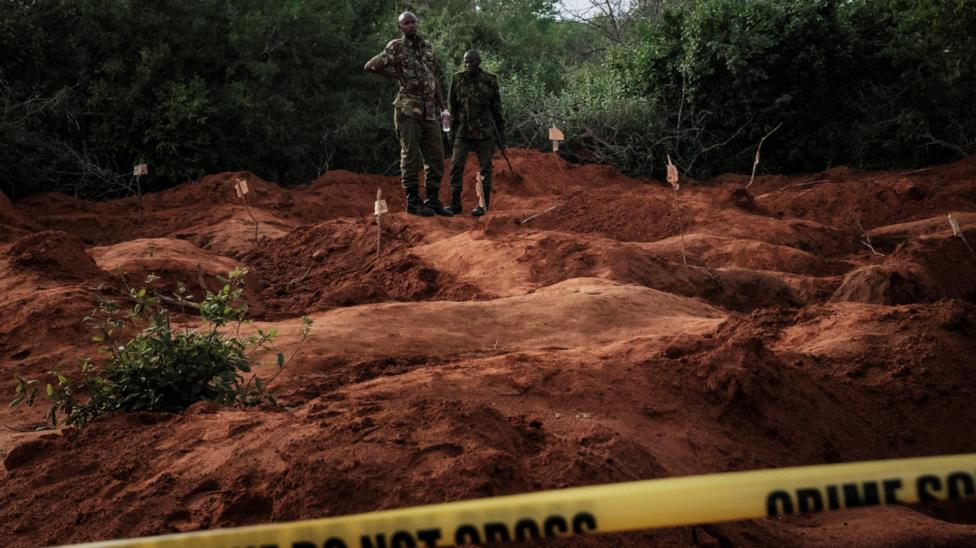
The self-styled pastor was arrested in 2023 following the discovery of more than 400 bodies buried in shallow graves in Shakahola forest near the Kenyan coast. According to Kenyan News, authorities recovered 429 bodies from the forest between April and July 2023, though only 191 deaths were included in the murder case that concluded with this conviction. The sprawling investigation shocked Kenya and drew international attention to the scale of the tragedy.
Before the sentencing hearing on Friday, Francis Wanje, who lost eight relatives in Shakahola forest including two grandchildren, expressed his hopes to the BBC's Newsday programme, stating he was
hoping for... a sentence which will match his [Mackenzie's] deeds in the forest. Wanje had reported the case to police in March 2023 after discovering what was happening, though he says local law enforcement initially failed to act with urgency. A relative in the police force and a former cult participant eventually managed to rescue his grandson, who was able to tell authorities about the graves of his siblings.
It was his last day.. they [would have killed] my grandson, Wanje recalled.
How did the cult operate?
Mackenzie's followers believed he was
Jesus's mouthpiece, according to Justice Mochache's eight-hour judgment delivered last month. Those who questioned his teachings were beaten to death. One of his co-accused revealed that he had instructed followers that anyone who
resisted the directive to fast must be forced to go to heaven through kicks and blows. Deaths within the forest were euphemistically called
weddings, with those who died celebrated as having
wedded with Jesus.
The judge found that the deaths resulted from an organised system encompassing religious teachings and directives that compelled followers to participate in the deadly fasting regime. The trial heard testimony from 120 prosecution witnesses and nine defence witnesses. Post-mortem examinations revealed that 72 deaths were attributed to starvation, while in more than 100 cases decomposition prevented a definitive cause-of-death determination. Other victims died from suffocation, strangulation or head injuries, while some who died shortly after rescue were so severely malnourished that their cause of death could not be established.
How did the cult grow so large?
Mackenzie established Good News International Ministries in 2003, and over the following 16 years the church expanded significantly, attracting thousands of followers across multiple branches throughout Kenya. The organisation operated a television station called Times TV, which broadcast his sermons from his church in Malindi. His End Days sermons promoted conspiracy theories characterising education as
evil, healthcare as
against the doctrine, and digital identity cards as
the mark of the devil. The main church shut down in 2019, after which Mackenzie relocated to Shakahola forest and encouraged his devotees to follow him there. The alleged fasting regime began around January 2021 and continued for more than two years before authorities discovered it.
Why did authorities fail to intervene earlier?
The Shakahola deaths have exposed significant gaps in the oversight of unregistered religious organisations and how such groups could operate unchecked for extended periods. President William Ruto established a commission of inquiry in response to the gravity of the case, though this body was later declared unconstitutional. Investigations by the state-funded Kenya National Commission on Human Rights revealed that local administration and law enforcement officials had repeatedly ignored the cult's activities despite warning signs. Wanje's experience exemplified this failure: after he reported the case to police, no immediate rescue operation was launched, leaving vulnerable cult members in danger for months longer.
What happens next?
While the murder convictions may provide a measure of justice for victims and their families, they account for only 191 of the more than 400 bodies exhumed from the forest. Mackenzie and other cult leaders face additional charges including terrorism, radicalisation, and denying education to children. Mackenzie's lawyer has indicated the defence plans to appeal the conviction. The broader investigation into the remaining deaths and the circumstances surrounding the cult's operation continues.