Robotic pizza makers have proven far more difficult to monetize than their backers anticipated, with multiple ventures collapsing despite significant investment and technological promise. The sector's struggles highlight a broader challenge: automating food preparation is harder than it appears, and consumer appetite for machine-made meals remains uncertain.
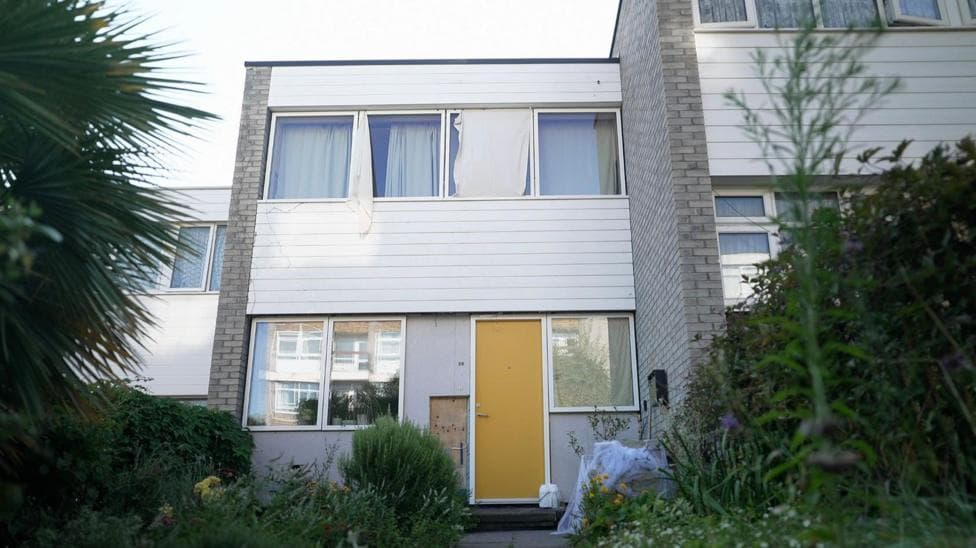
At a Moto Pizza restaurant in Seattle, the dough feeder, sauce and cheese modules, and pepperoni-sprinkler all fell silent in May 2026 when Picnic, the company supplying the robots, abruptly ceased operations. Lee Kindell, founder and chief executive of Moto Pizza, suddenly found himself with two $160,000 cabinet-like machines rendered essentially inoperable, as technical support vanished overnight. Picnic had raised more than $53 million before shutting down, and CMBG Advisors was assigned to manage the sale of Picnic's assets and pay creditors.
I don't know if I want to do a partnership again because of the failures, Kindell reflected on his experience.
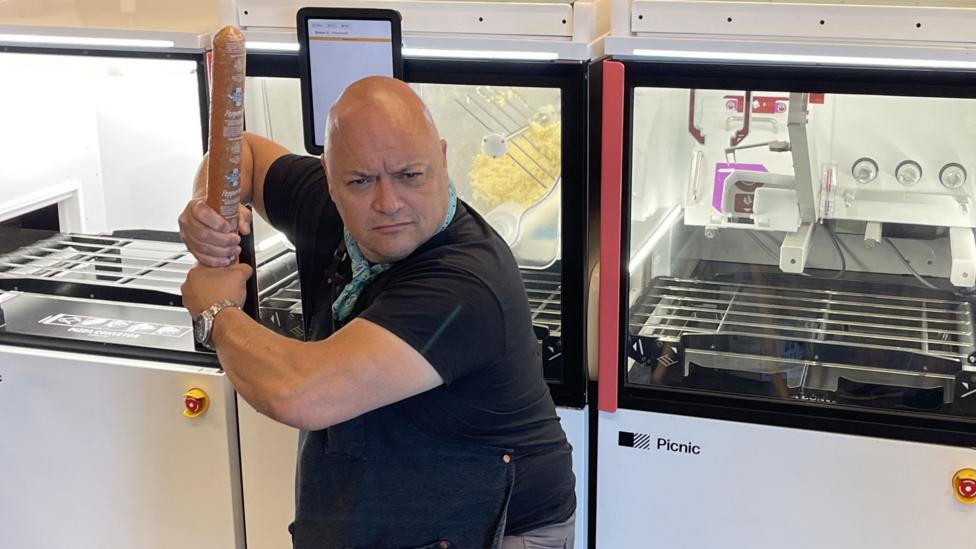
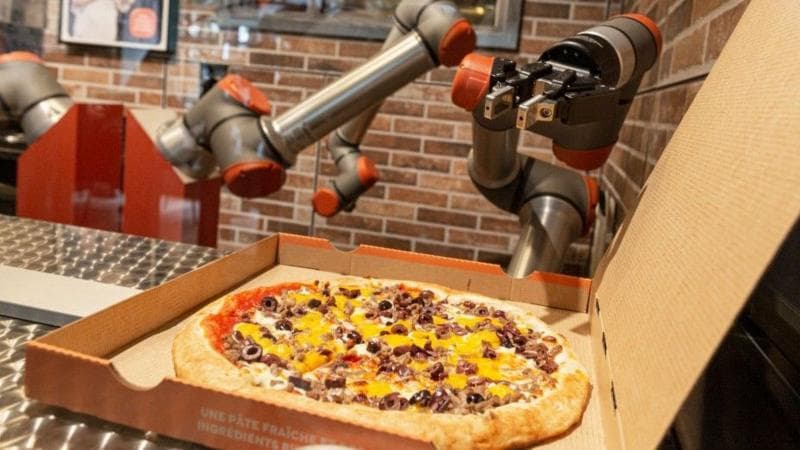
The pizza robotics sector has accumulated a graveyard of failed ventures. Beyond Picnic, companies including Zume, Pazzi (which deployed robot arms to assemble pizzas), and Basil Street (a pizza vending machine operator) have all ceased operations. Picnic's Pizza Station could reportedly help one employee produce up to 100 customized 12-inch pizzas per hour by automating topping, yet even this capability could not sustain the business model.
The fundamental challenge is that automating food preparation has proven more complex than many entrepreneurs expected. Sara Senatore, senior restaurants analyst at Bank of America, observed that
We haven't yet seen any of the success stories materialise the way some people thought they would. She noted that robotic systems sometimes deposit ingredients incorrectly, whereas
Humans are very efficient at making pizza.
Why has automation struggled in pizza making?
Food preparation robots often lack the dexterity and adaptability that human workers bring to the task. Mechanical systems can struggle with the variability inherent in pizza assembly—different dough thicknesses, topping distributions, and customer preferences. Additionally, the pizza industry encompasses two distinct market segments with different automation prospects: high-volume chain operations seeking consistency, and artisanal establishments prioritizing craftsmanship and personal service.
Beyond technical hurdles, automation raises employment concerns. Kindell previously operated Picnic's robots at T-Mobile Park, home of the Seattle Mariners baseball team. Typically, such a venue would require approximately 10 staff members to produce pizzas; with the robots operational, that number dropped to two. However, Kindell argues the displaced workers were redeployed rather than eliminated.
We had so many more people able to hand out the pizza, he explains.
It was so much faster. The remaining eight employees shifted to customer-facing roles, distributing pizzas and promoting sales throughout the stadium.
Are companies still pursuing pizza automation?
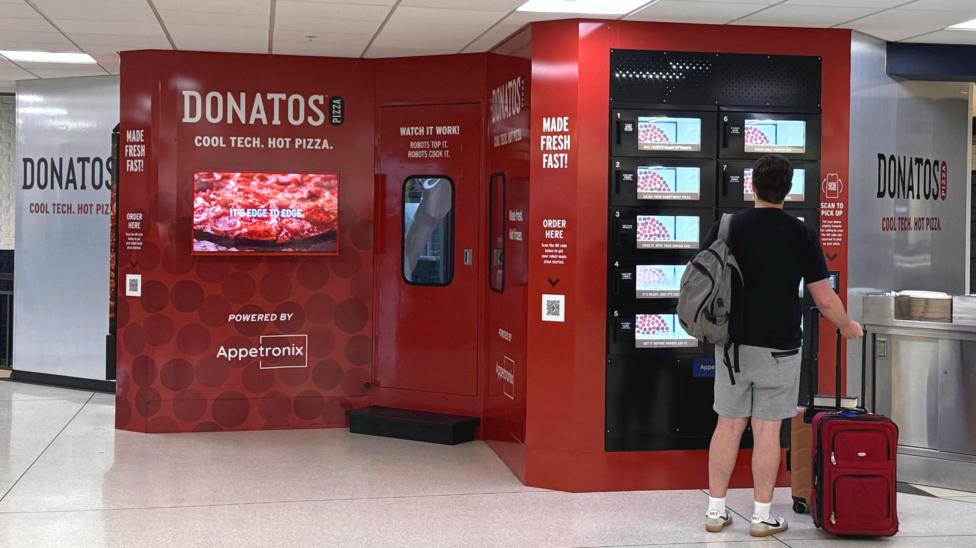
Despite widespread failures, investment and development in pizza robotics continues. Appetronix, a Canadian firm, installed a 24-hour robotic pizza unit at John Glenn Columbus International Airport in Ohio for the Donatos pizza chain. The company is pursuing aggressive speed improvements, with co-founder and chief executive Nipun Sharma stating that the goal is to eventually have a pizza emerging from such machines
every minute.
Sharma's team is investigating methods to deposit sauce far faster than the current 9.5 seconds required.
Think of it as a shower head that blasts the sauce in 1.5 seconds, he explains. The company is even exploring lasers and ultrasound as potentially faster pizza-slicing alternatives to traditional knife blades.

When asked whether machine-made pizza sacrifices the human connection consumers value, Sharma redirected the conversation toward his target market.
What we're going after is a chain market, he said.
You want the pizza to taste the same every single time. This distinction—between businesses prioritizing consistency and those emphasizing artisanal experience—predates robotics but will likely determine where automation gains traction.
What do artisanal pizza makers think?
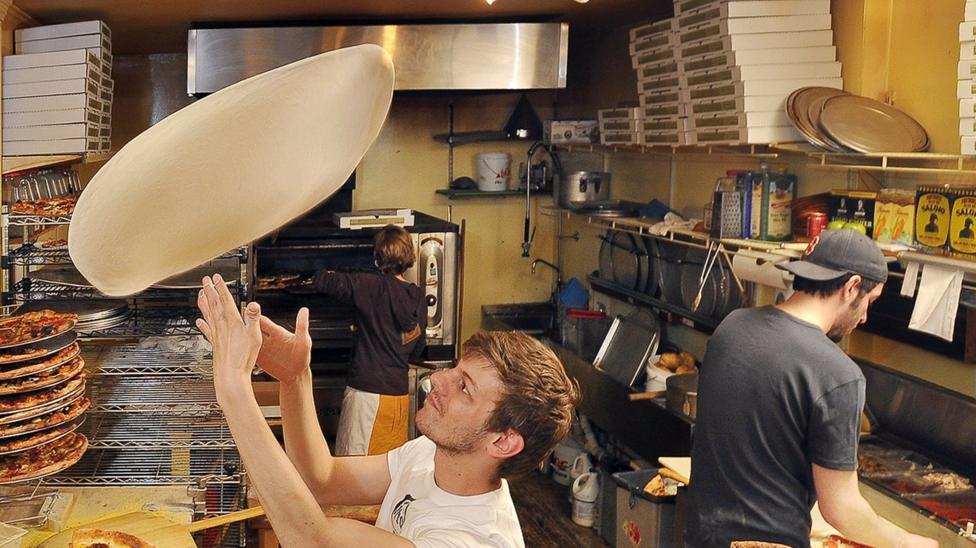
Operators of independent and craft-focused pizzerias remain skeptical of automation. Paul Giannone, owner of Paulie Gee's pizza restaurants, previously vowed to Mashable that he would
neveruse a robot. When asked recently whether his position had changed, he told the BBC:
That is still the case. Our shops offer a dining experience with personal customer service a high priority.
Senatore argues that human interaction has become even more critical in today's restaurant landscape, particularly for establishments introducing robotic systems.
It's a risky proposition to not have people, she warns. Pizza establishments risk losing their
human touchand could frustrate customers if machines malfunction without staff present to intervene.
What happens to failed companies' technology?
Intellectual property from defunct pizza robotics firms continues to circulate through the sector. Miso Robotics, a California-based company, acquired more than 300 patents formerly owned by Zume Pizza. Rich Hull, Miso Robotics' chief executive, stated that
Their vision for robotic pizza making was really brilliant. I just think they were a beat too early in the market. He suggested that customers were not yet
readyfor robot-made pizza.
Miso Robotics currently manufactures Flippy, a robot that cooks French fries and is already deployed in some United States fast food restaurants. The Zume patents could potentially expand Flippy's capabilities, though Hull declined to specify how.
That's one of those things that we're going to be learning about, he said.
Will Kindell try again?
Despite his frustrations with Picnic's collapse, Kindell remains committed to pizza automation. He is developing his own pizza-making robot, inspired by the mechanics of 3D printers and designed to produce square pan-style pizzas. He declines to disclose technical details but projects a fully operational prototype by summer 2027. Kindell acknowledges having
no experiencein robotics, yet he argues that failed pizza robot companies have generated valuable data and technological advances that will eventually enable someone to succeed.
Kindell's optimism rests on the belief that the sector's failures represent stepping stones rather than dead ends.
There is no doubt in my mind that there will be a fully autonomous pizza robot, he asserts.
It's just, who's going to do it first?
What comes next for pizza robotics?
The pizza automation sector appears poised for continued experimentation and consolidation. Moto Pizza is still developing its own in-house pizza-making robot, though no public launch date has been confirmed. Meanwhile, Picnic had changed strategy in 2024 to focus on high-volume customers like cafeterias and stadiums rather than pizzerias, a pivot that ultimately did not prevent its collapse.
The tension between automation and human craftsmanship will likely shape where and how robotic pizza technology emerges. Chain restaurants seeking operational efficiency and product consistency may adopt machines, while independent establishments will probably continue emphasizing personal service and artisanal methods. The outcome remains uncertain, but the competition to build the first commercially viable pizza robot shows no signs of slowing.