Super Bowl Weekend and the Rise of Robotaxis
It’s Super Bowl weekend in the United States, a time marked by abundant food, controversial halftime performances, extravagant commercials, and, of course, football. For the tens of thousands fortunate enough to attend the Big Game at Levi’s Stadium in Santa Clara, California, transportation logistics are critical. Fortunately, autonomous vehicles are positioned to alleviate the challenge of sharing rides with human drivers. This year’s Super Bowl is dominated by Waymo, a company preparing to expand its autonomous taxi services to numerous cities worldwide. Smaller American metropolitan areas such as Phoenix and Austin are next in line to receive Waymo’s service, along with global capitals like London and Tokyo. The deployment of robotaxi fleets appears increasingly inevitable, representing another technological advancement aimed at smoothing the complexities of modern life.
First Impressions of Waymo
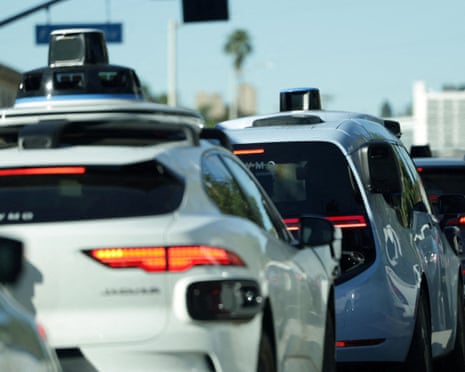
Despite initial skepticism, my first experience with Waymo in Los Angeles was surprisingly positive. I had anticipated disliking the service due to concerns about automation displacing low-wage workers, prioritizing efficiency over human interaction, and the vehicles’ unappealing design. The cars, modified Jaguars equipped with numerous sensors, resemble high-end PC gaming mice on wheels. Some vehicles even feature colorful decals intended to make them appear friendlier and less robotic. Nonetheless, I found the interior environment calm and sterile, free from the distractions of a human driver—no unpleasant odors, no radio disputes, no forced small talk.
The Role of Human Interaction in Urban Transport
While engaging with strangers is an inherent part of city life and adults should be capable of polite conversation, there are limits. Most Uber and Lyft drivers are courteous and appreciative of their customers. However, there are exceptions—drivers who ask intrusive personal questions, make inappropriate jokes, or exhibit delusions of grandeur.
After a night out years ago, my then-girlfriend and I took a rideshare home. Our driver ignored the GPS directions and extended a 10-minute trip into a 20-minute monologue about existence, including whether he might be Jesus Christ reborn. Driving a rideshare could be seen as a modern carpenter’s trade, but I kept that thought to myself.
Advantages of Waymo’s Autonomous System
Waymo’s AI does not claim divine status, which is a positive. The company has not announced any plans for global domination and allows users to link their Spotify accounts to the vehicle’s audio system. While this likely serves as a sophisticated data collection method to target advertisements, it enables passengers to enjoy their music uninterrupted and without judgment.

Having used Waymo multiple times, my initial guilt about supporting automation has lessened. This is notable given ongoing reports of Waymo vehicles being involved in accidents or traffic violations. In contrast, human-operated cabs can be unpredictable. Every Waymo ride I have taken was more cautious than most human-driven taxis. Additionally, traditional rideshare services face serious issues with sexual assaults by drivers, with Uber recently settling a claim from a woman attacked by a driver. Autonomous robotaxis could eliminate such incidents.
The Case for Traditional Taxis
Despite the appeal of robotaxis, alternatives exist that do not threaten employment—namely, traditional taxis. Though often perceived as outdated, taxis offer many benefits. They can be hailed via apps like Uber and Lyft, are subject to strict municipal regulations, and their drivers are typically unionized, ensuring fair wages and treatment. Because taxi driving is a dedicated profession rather than a side gig, drivers tend to approach their work with greater responsibility and are less likely to engage in inappropriate behavior.
The Role of Regulation in Transportation Innovation
Over the past two decades, technology leaders and some politicians have argued that regulations hinder innovation and prevent the realization of a digital utopia. However, regulations primarily challenge the ambitions of billionaires seeking to maximize profits. They compel companies to act rationally and consider societal welfare alongside financial gains.
Reflections on Technology and Society
The situation can feel nihilistic. Last year, Waymo’s CEO stated publicly that societal collapse would not affect their business growth. Other tech executives enthusiastically discuss artificial intelligence’s potential with a messianic zeal reminiscent of the rideshare driver’s delusions of divinity. I suspect my enjoyment of Waymo rides stems from a desire to isolate myself from the chaotic social environment of 2026. Like the protagonist of the film Drive, I find solace in the solitude of the automobile, avoiding interaction with the outside world. While the driver with the Jesus complex cannot realize his grandiose dreams, those with the means to invest in autonomous technology are moving full speed ahead.
I think I might enjoy riding in Waymos precisely because I’m eager to spend time sealed away from the mass delusion event that is life in 2026.
Dave Schilling is a Los Angeles-based writer and humorist.