
Valve has officially launched its new virtual reality headset, the Steam Frame, marking a significant entry into the high-end VR market. The device delivers impressive performance and innovative features, yet its premium pricing—ranging from £889 for the 256GB model to £1,089 for the 1TB variant—has reignited debate about whether virtual reality remains accessible to mainstream consumers.
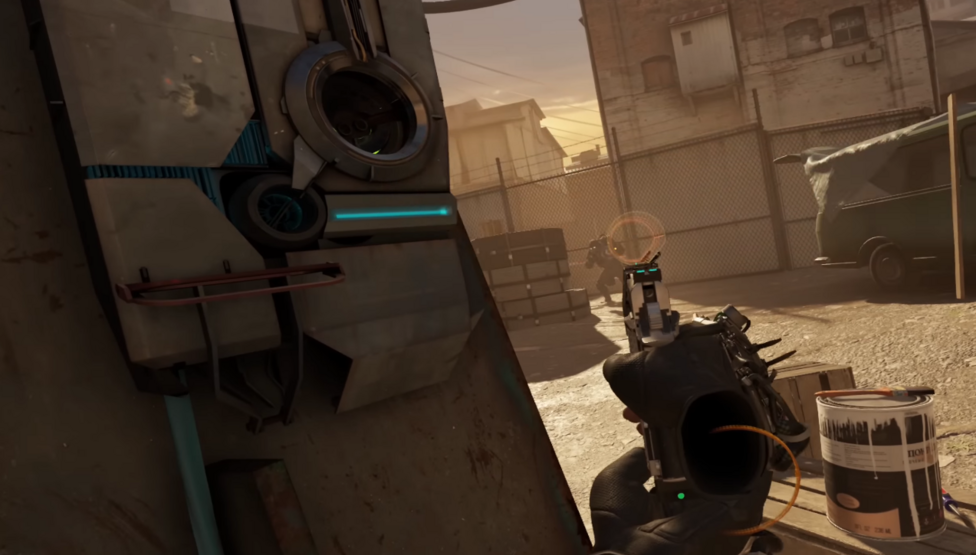
The headset received regulatory clearance when the FCC granted approval on July 29, 2026, paving the way for its market entry. According to reports, Valve may be preparing a promotional bundle that includes Half-Life: Alyx with the Steam Frame, potentially sweetening the value proposition for early adopters.
How does the Steam Frame perform in practice?
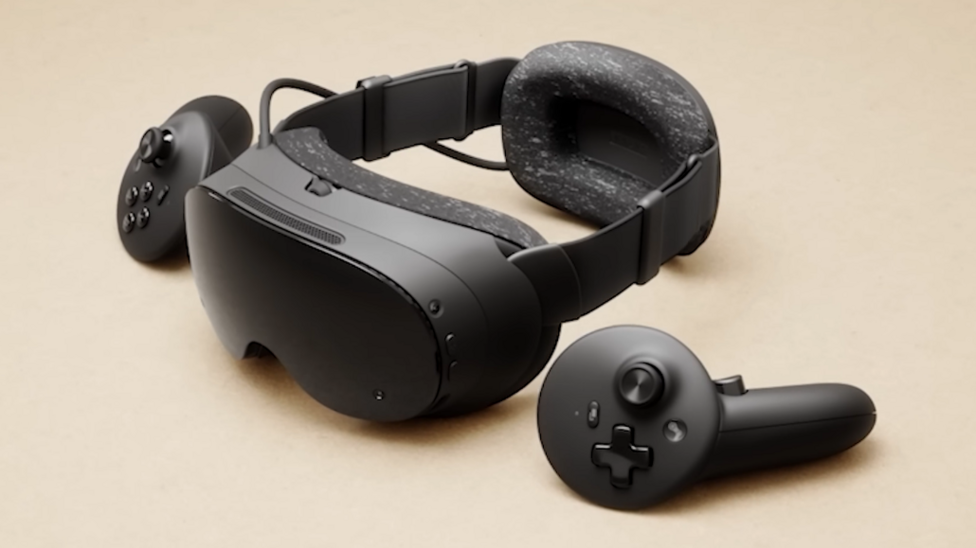
The hardware delivers genuine quality across multiple dimensions. It is lightweight—weighing little more than a can of soup—and its ergonomic design distributes weight effectively by positioning the battery pack at the back of the head while keeping the display at the front, eliminating the front-heavy sensation that plagues many competing devices.
Gaming performance is strong. Puzzle titles such as the VR adaptation of Escape Simulator run smoothly, and the headset's flat "pancake" lenses provide clarity when worn, a feature shared with Meta's Quest 3. However, the display technology, while competent, does not match the exceptional OLED screens found in PlayStation VR2 or the premium displays in Apple and Samsung headsets—though those alternatives command significantly higher prices.

The device supports both streaming from a PC and native on-device gameplay with varying degrees of success. Its standout innovation is "foveated streaming" technology, which renders only the area of the screen where the user is looking in full quality while reducing clarity in peripheral vision. This approach conserves bandwidth substantially, enabling high-quality wireless VR streaming from a PC without a cable tether. The system accomplishes this by combining household Wi-Fi with a dedicated dongle connected to the PC.
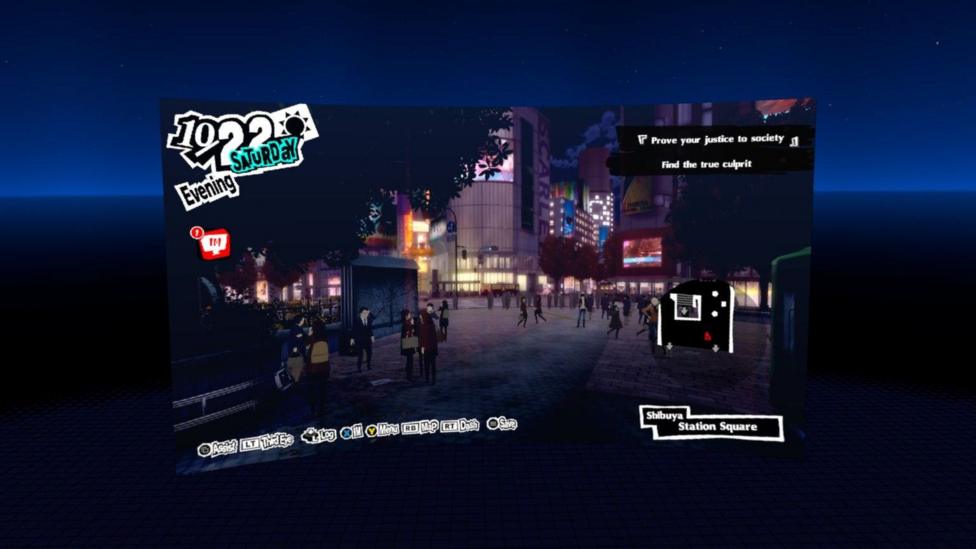
Valve has positioned the Steam Frame not solely as a VR gaming device but also as a general-purpose display for non-VR games. Older titles such as Persona 5 Reload function adequately on the headset, though loading times can be lengthy and the practical appeal of playing traditional games on a VR display rather than a television remains questionable.
Why has the price climbed so high?
The cost reflects genuine market pressures affecting the entire hardware industry. RAM prices more than doubled between October 2025 and early 2026, while graphics card costs have risen sharply—a component that cost £500 months ago now commands closer to £650. These component shortages and price increases affect all hardware manufacturers equally.

"We set out to come out with a device that would have been much more affordable. But the global Ram market has impacted us the same way it's impacted everybody."Valve developer Jeremy Selan explained the constraints facing the company.
"We fought hard to get it even to this price"and made the deliberate choice to release the Steam Frame despite the elevated cost.
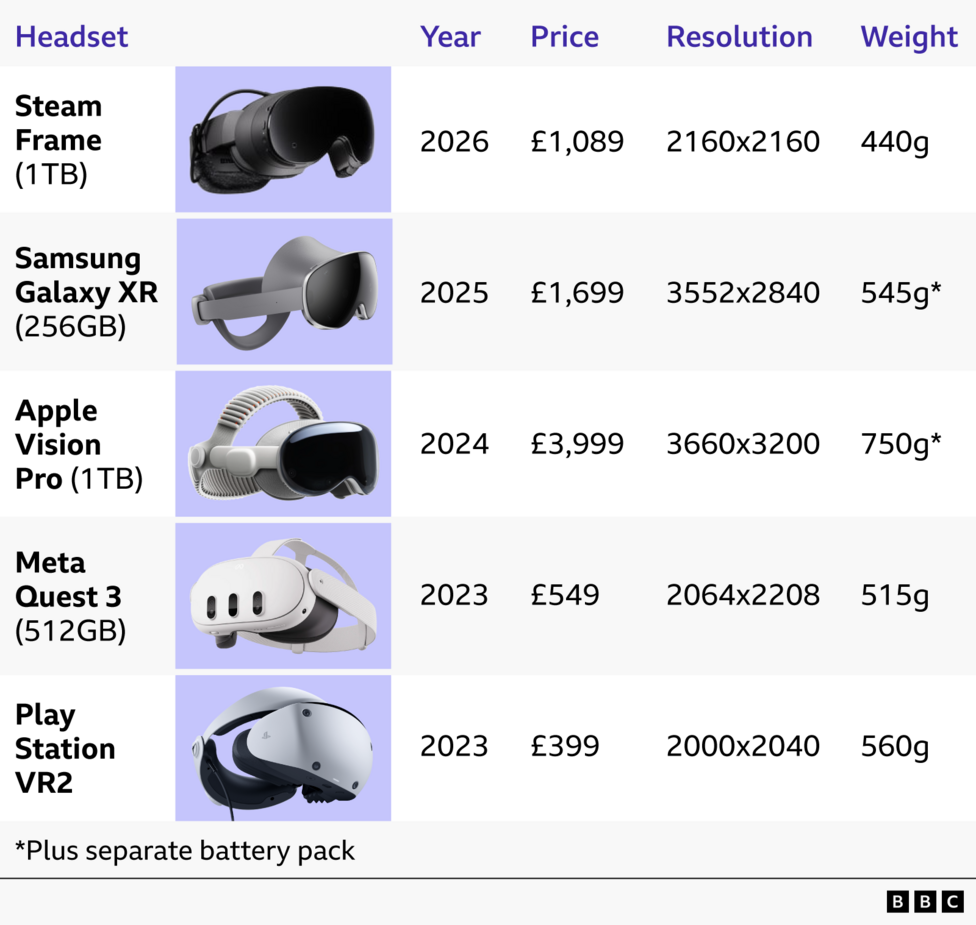
The pricing landscape for VR has shifted dramatically since Meta's Quest 3 launched in June 2023 at £480 for its 128GB model. Three years later, the industry has moved decisively upmarket.
"VR today is ultimately a high-end niche,"according to gaming writer Christopher Dring.
"Meta had been subsidising the Quest hardware, and it's difficult to imagine they will going forward as they pivot away from those experiences."
Is VR genuinely becoming unaffordable?
Perspectives on this question diverge sharply among industry observers. The Steam Frame's price tag certainly positions it as a premium product, yet not all experts agree that VR pricing has become prohibitively expensive.
David Heaney, editor of UploadVR, challenges the narrative that VR costs too much. He points out that while flagship headsets command high prices, Meta's Quest 3S budget model retails for £320 and has frequently been discounted to £250.
"In context, a Nintendo Switch 2 is £420, an Xbox Series S is £430, and a PS5 is £470 - Quest 3S, which is primarily used for gaming, is cheaper than other games consoles."
Heaney argues that the real barrier to mainstream VR adoption is not cost but maturity.
"You have to see VR in the same timeframe you'd see personal computers in the 1980s. Even if they had been cheap, which they weren't, they weren't yet good enough for mainstream adoption. VR is only just getting started, a tech in its 1980s PC era, not something anywhere near maturity."By this analysis, the industry remains in its infancy, and current pricing reflects the early-stage nature of the technology rather than a fundamental affordability crisis.
What comes next for the Steam Frame?
Valve's original commitment specified a summer 2026 launch window, which concludes on September 22, 2026. Reports from September 11–12 indicated the headset was still awaiting final pricing confirmation and an exact release date, even as Valve pushed a major SteamVR update ahead of launch. Industry observers will be watching closely to see whether Valve meets its summer deadline or extends the timeline further.
The broader question remains unresolved: as component costs continue to rise and manufacturers shift toward premium positioning, will VR remain accessible to enthusiasts and early adopters, or will the market segment further into luxury products for affluent consumers and budget alternatives for price-conscious buyers? The Steam Frame's reception and sales trajectory may provide important signals about where the industry is headed.