

Scientists at the University of Reading have produced a chocolate bar made entirely from British-grown ingredients, marking the first time this has been achieved since 1932, when the late queen, then aged six, was given a bar made with a glasshouse-grown cocoa plant at Rowntree's headquarters in York. The new creation, made to mark the university's centenary and dubbed the Reading 100 Chocolate Bar, according to a report by the Daily Mail, uses cocoa beans grown at the institution alongside British sugar beet and British milk. Only six bars currently exist, though researchers hope to scale up production.
The project was led by Maha Khan, described by the Daily Mail as a food security master's student at the university, who harvested, fermented and processed the beans herself within the university's food department without the cocoa ever leaving Reading.
The UK chocolate market is worth an estimated £10.4bn and produces some of the world's most acclaimed chocolate, yet the entire industry depends on imported cocoa. Khan's project set out to demonstrate that home-grown cocoa production is technically possible, even if not yet commercially viable at scale.
How was the cocoa grown and processed?
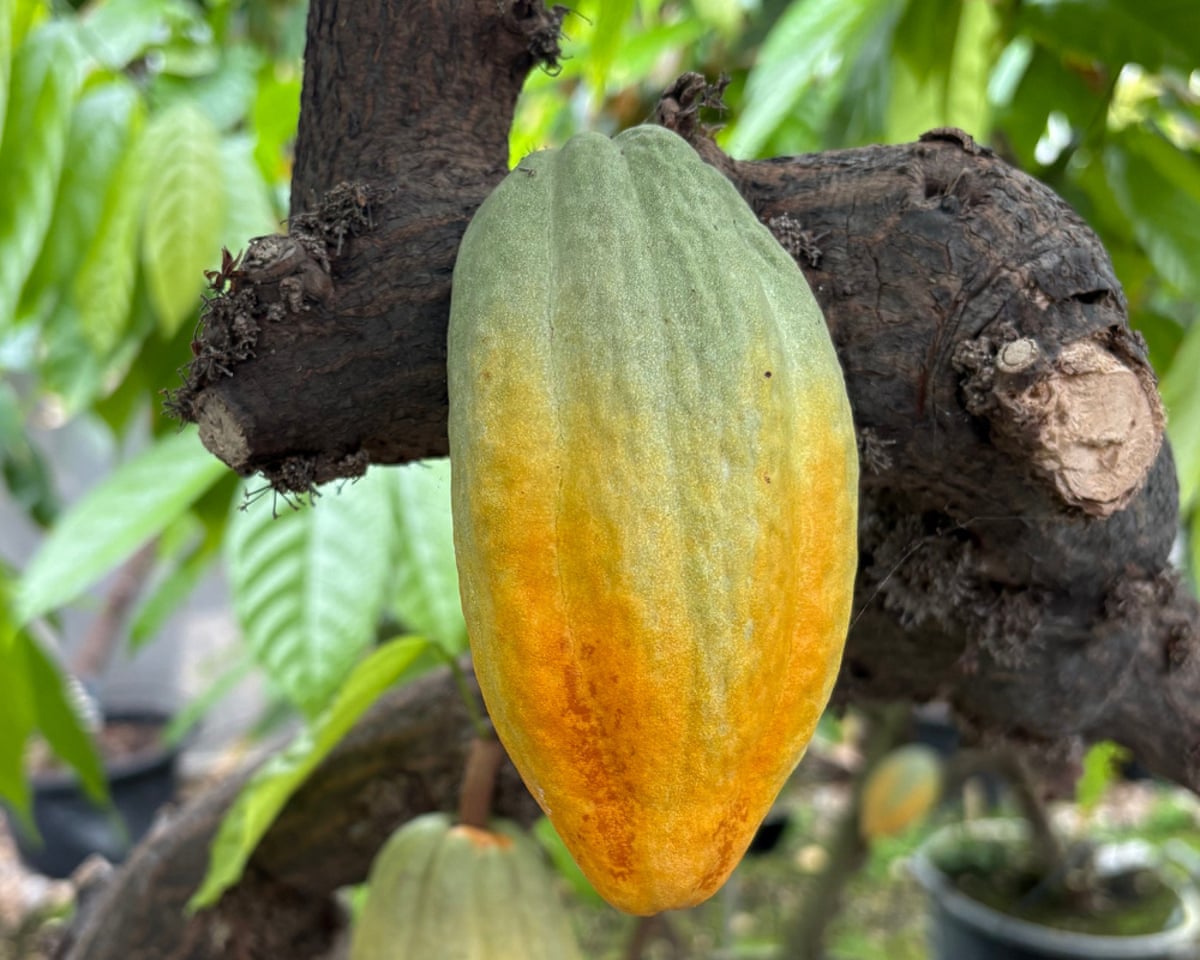
According to the Daily Mail, the cocoa pods were cultivated in a climate-controlled facility in Reading before being dried and fermented outdoors in the English sun, then processed into chocolate on site. Khan described the experience of following the full transformation from pod to finished bar.
It has been amazing to follow the entire chocolate-making process, from pod to bean to bar, without leaving Reading.
This British bar of chocolate highlights the precarious nature of our food supplies. Cocoa plants are very sensitive to changes in temperature and rainfall, and climate change [threatens] the regions that produce most of the world's cocoa. Protecting different varieties is vital if farmers need hardier plants that can cope with a changing climate.
I hope this shows people just how much work goes into the chocolate we enjoy, and how important it is to protect cocoa farmers and communities around the world.
Khan also described the taste of the finished product and the raw beans themselves.

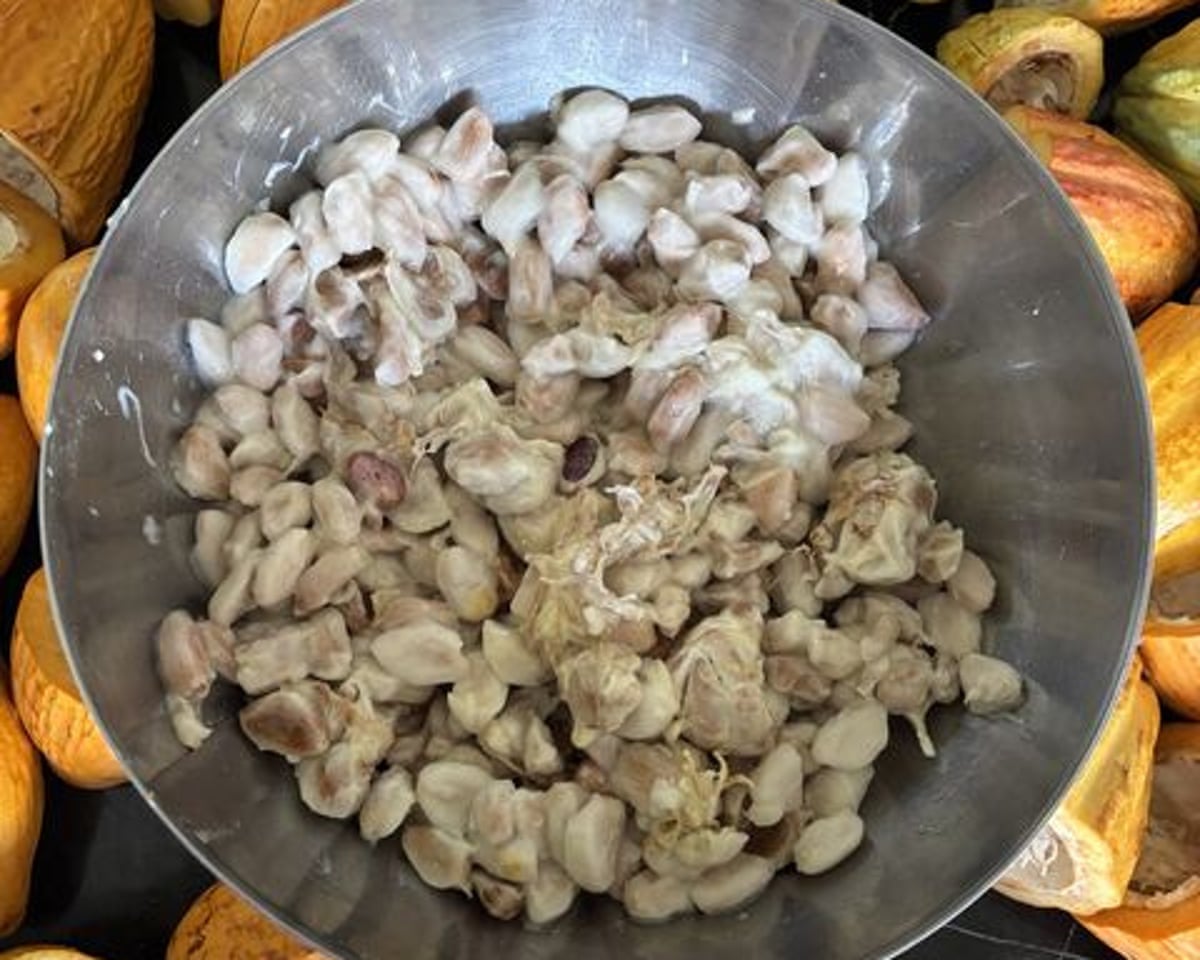
It's incredible to taste the complexity of the flavour profiles as the cocoa is made from plants originating from over 300 varieties grown here. It was also really interesting to taste the raw cacao before it gets processed – the beans are coated in a white flesh that tastes like lychee and isn't something many people in this country get to try.
Why does the university hold so many cocoa varieties?
The University of Reading maintains an international cocoa quarantine centre housing more than 300 varieties of cocoa plant, through which 97% of the world's international movement of cocoa material passes. Beyond producing a novelty bar, researchers say the wider purpose is to safeguard genetic diversity in cocoa stocks that could prove more resistant to shifting weather patterns, pests and diseases linked to a warming climate.
Chocolate prices have risen globally as elevated temperatures in key growing regions have stunted plant growth, while heavier rainfall linked to climate change has flooded crops across parts of Africa, further straining supply.
Is this part of a wider shift in how chocolate is made?
The Reading project sits alongside broader industry moves to find alternatives to conventional cocoa farming. According to Whitakers Chocolates, lab-grown chocolate remains in the research and early commercialisation phase, with initial launches expected from 2026 onwards. Separately, an industry report cited by the Express says several major chocolate companies are exploring cell-cultured cocoa, though wider consumer availability is not expected immediately. A separate list of British and Irish chocolate makers, updated on 3 August 2026 by Jennifer Earle's blog, counted 56 businesses across the UK and Ireland making chocolate directly from the cocoa bean.
What happens next?
According to Whitakers Chocolates, Puratos is reportedly planning a 2026 launch of cultured cocoa chocolate through its partnership with California Cultured, while the Express reports that Celleste Bio's cocoa-butter development is aimed at a 2027 market-ready timeline. For the Reading bar itself, Khan said no decision has yet been made on who will get to try it, though she has floated a symbolic recipient.
We haven't decided yet who will get to eat the chocolate. As the last British chocolate made was eaten by the future queen in 1932, it would be fitting if the next bar was a gift to another future queen, the Princess of Wales, who, like the chocolate, was also born in Reading.
Production of further bars will depend on the availability of beans, since a single cocoa pod can take up to six months to mature.
Key Facts
- The Reading 100 Chocolate Bar is the first 100% British-ingredient chocolate bar made since 1932.
- It uses Berkshire-grown cocoa, British sugar beet and British milk.
- Only six bars have been made so far; researchers hope to increase production.
- The University of Reading's quarantine centre holds over 300 cocoa varieties and handles 97% of global cocoa plant movement.
- Industry sources point to 2026-2027 as target dates for lab-grown and cell-cultured cocoa alternatives reaching wider markets.


