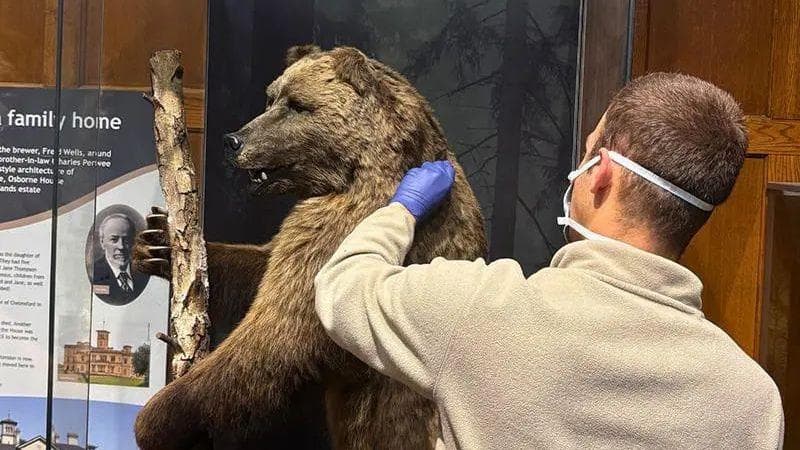
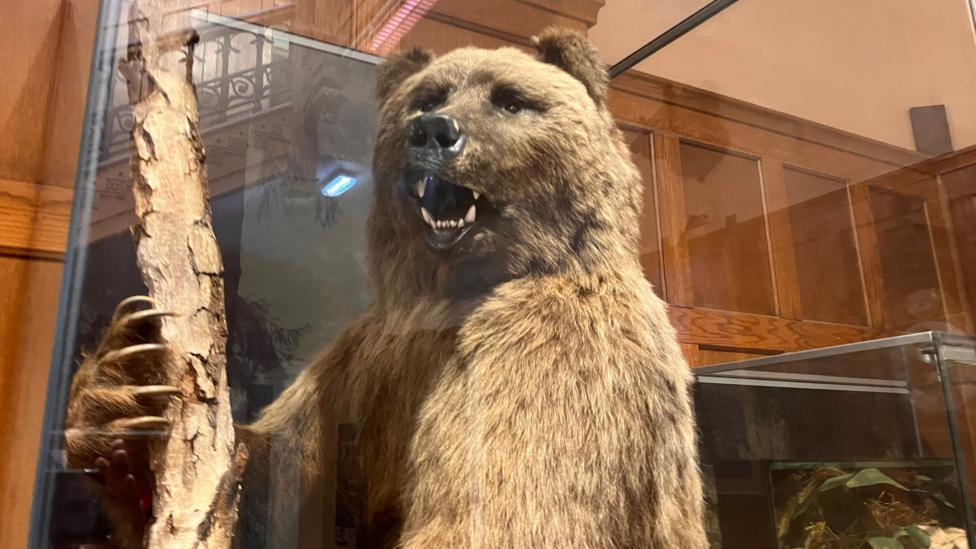
A forensic science student is harnessing hair samples from a century-old taxidermy specimen to develop new methods for combating illegal wildlife trafficking. The research, conducted by Hayden Leigh at the University of Staffordshire, uses Boris—a preserved bear housed at the Museum of Chelmsford—to advance the identification of animal hairs in criminal investigations targeting endangered species.
Boris arrived at the museum in 1932 as part of a substantial taxidermy collection bequeathed by Dr John Henry Salter, a local game hunter who had pursued bears in Russia. The bear has since become the institution's unofficial mascot and remains one of the most recognisable specimens in its holdings.
Leigh's PhD project examines the microscopic structure of Boris's fur to establish forensic profiles that could improve species identification during wildlife crime investigations. He approached the museum in late 2025 requesting hair samples for research into profiling animal hairs linked to brown-bear poaching across Europe.
Why study a museum specimen?
Leigh had contacted approximately 30 zoos and museums before the Museum of Chelmsford agreed to participate. Using microscopy and DNA analysis, he has examined the cuticles, different layers, and genetic material of Boris's fur to assess how characteristics vary across different body areas. This approach offers a significant advantage: accessing preserved specimens allows researchers to study authentic animal hair in a controlled, ethical manner without disturbing living animals.
There's been hundreds of studies done on dog hairs and cat hairs and general domestic animals, and I thought, well, let's make a wider impact than on the wider wildlife crime investigations.

By developing a cost-effective and reliable alternative to DNA analysis alone, the research aims to support investigations into the illegal poaching and trafficking of brown bears. The work draws on a major European project called Nature First and focuses on helping identify species and link suspects to illegal activity in bear-poaching cases.
How do taxidermy collections contribute to science?
Historic museum specimens play an underappreciated role in forensic research. Leigh explained that
Taxidermy samples from museums can play a valuable role in the research of animal hair within a forensic context. They are often far more accessible than obtaining hair from live animals.
In his examination of Boris,
I examined Boris's hair at a microscopic level, assessing the characteristics of the hairs and investigating whether there was any variation across different areas of the body.This methodical approach generates data that can be applied to modern investigations involving brown bears found across Romania, Bulgaria, Russia, and other regions where poaching remains a persistent threat.
Councillor Jennie Lardge, cabinet member for culture and leisure at Chelmsford City Council, acknowledged that taxidermy collections often provoke debate but emphasised the conservation value of this research.
It highlights the scientific value of historic taxidermy collections in museums in 2026, and we are delighted that the Museum of Chelmsford has been able to support this important project.
What happens next?
The Museum of Chelmsford is bringing the research to public attention through dedicated events. On 26 September 2026, the institution will host a public event titled "Behind the Case: A Bear Poaching Investigation," led by Prof Claire Gwinnett with researcher Hayden Leigh, offering attendees the chance to examine Boris's hairs under a microscope. The museum's educational programming continues with Boris Bear Cubs sessions running from 10 September through 17 December 2026, introducing younger visitors to the specimen and its scientific significance.
The project reflects a broader shift in how institutions leverage their collections for contemporary conservation challenges. Rather than remaining static displays, historic specimens like Boris now contribute directly to protecting living wildlife from illegal exploitation.