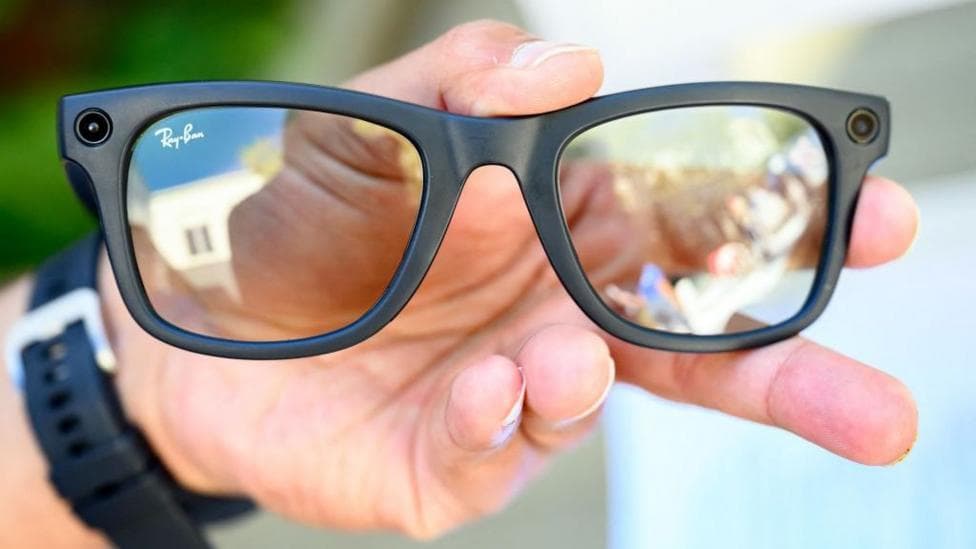
Meta's smart glasses are reshaping how people record and share moments in public spaces, but the technology's rise is triggering a collision between creative expression and privacy rights. The frames, which allow users to film, photograph and interact with artificial intelligence through simple touch controls, have already sold more than seven million pairs worldwide—and regulators, venue operators and women's rights advocates are increasingly concerned about their potential for misuse.
The glasses feature an unobtrusive camera activated by touching the frames, accompanied by a pulsing white light during video recording and a flash for photos. Meta said it recently updated the glasses to disable the camera if the light was tampered with, a safety measure designed to prevent covert recording. However, the technology's ordinary appearance—manufactured in partnership with Ray-Ban—means the recording indicator can still be missed or ignored by people in public spaces.

Pearse Vallely, a 31-year-old content creator from Ballymurphy in west Belfast, has built a following by using Meta glasses to film spontaneous street interactions. His videos typically show his glasses-eye perspective as he greets passers-by with rhyming phrases, with one Belfast city centre video accumulating 600,000 views on TikTok. Vallely emphasised that his approach relies on consent and good faith:
I think it's because of the nature of my conversation with them. They know I'm not making an eejit out of them, I'm doing it in a positive way.He said he has never posted a video after being asked not to, and no one has requested removal of his content.
How do the glasses work and what are their capabilities?
Available for a few hundred pounds, the frames combine a built-in camera, microphones and voice controls. Users can activate recording via touch, which triggers the white indicator light—a feature Meta highlighted as distinct from smartphones and conventional cameras. The glasses enable hands-free calls, music playback through ear speakers, and photo and video capture.
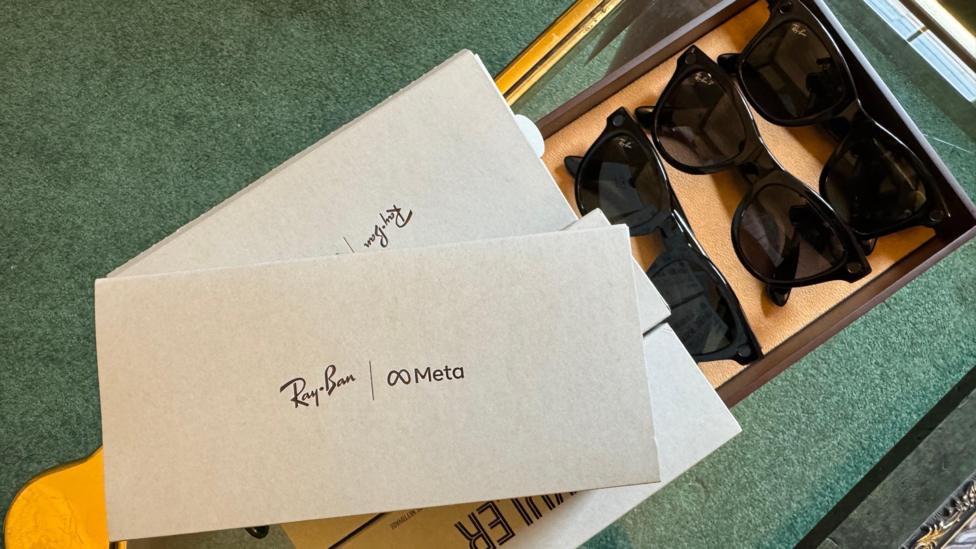
If adoption continues at current rates, researchers project that as many as 100 million people could own a pair within the next few years. Vallely noted that the indicator light often makes people aware they are being recorded, and he attempts to inform individuals after filming if he can reach them in time.
It's okay to have a 30-second conversation with someone. I think that's something we're losing due to technology, and I'm trying to use technology to spin it around.
What is the legal position on filming in public?
In Northern Ireland, filming someone in a public place is generally lawful, as people in public spaces do not typically have a reasonable expectation of privacy. Recording becomes unlawful only if it constitutes harassment, stalking, voyeurism, or occurs in circumstances where privacy would reasonably be expected. However, the ease with which Meta glasses enable discreet recording has prompted concerns that the law may not adequately address emerging harms.
Vallely acknowledged that he could understand restrictions if people were using the glasses inappropriately, but he argued that intention matters:
People know it's me doing it, while other people do it on troll accounts. No matter what is invented, people are going to use things for the wrong reasons.
Where have the glasses been banned and why?
Wetherspoons, which operates nearly 800 pubs across the UK, has prohibited the use of Meta glasses to film inside its venues. The chain said its existing code already bans recording customers or employees without permission, and that the glasses appear to enable
surreptitious surveillancein breach of common sense. Monopoly Events, which runs Comic Con Northern Ireland, has also banned the glasses at its events over concerns about secret recording.
Beyond hospitality venues, restrictions are spreading across the UK. According to court rulings in England and Wales, Meta glasses have been prohibited in judicial buildings and may be confiscated on entry. Additionally, UK cinemas are introducing policies to restrict camera-enabled smart glasses over both privacy and film piracy concerns.

Incidents of misuse have fuelled these restrictions. In December, a woman on the New York subway was hailed as
a heroafter breaking a man's Meta glasses in two. In July, police in Scotland launched an investigation after complaints about a TikToker using the glasses to secretly film members of the public. Meanwhile, videos showing users approaching women, filming their reactions to pick-up lines and posting them with hashtags like #howtogetagirlfriend have accumulated thousands of views, raising alarm among advocates.
What are the harassment and privacy concerns?
Women's rights campaigners have raised significant concerns about the glasses' potential for harassment and voyeurism. Elaine Crory, a women's sector lobbyist at the Women's Resource and Development Agency, highlighted the asymmetry of awareness:
Right now, if you're filming with a camera or with your phone, I usually can see that and then avoid that. But you may not be aware you're being filmed with an AI camera.

Crory noted that the glasses are being used for activities that are already illegal, such as upskirting. She pointed out that while people can appeal to social media platforms to remove videos and some venues have posted signs on a case-by-case basis, legislation has not kept pace with the technology.
A person has no legal redress if they are filmed in the street, on a bus, in a classroom,she said.
According to a national broadcaster's report in May, women at beaches, shops and on streets were being approached by men wearing Meta Ray-Bans to film their responses without knowledge or consent. The Department of Justice acknowledged that while regulation of Meta glasses was not its specific remit, existing offences such as upskirting as a form of voyeurism could apply if the glasses were used for illegal purposes.
What regulatory action is underway?
Regulatory scrutiny is intensifying. The UK Information Commissioner's Office said it was writing to Meta after a report claimed human contractors could view sensitive footage captured by the glasses. Meta responded by stating that some content may be reviewed to improve the user experience, but the disclosure raised questions about transparency and data-handling practices.
Meta said its glasses have a capture LED that blinks during photo or video capture and cannot be turned off; if the LED is covered or damaged, the camera disables itself. In a statement, the company said the glasses provided
critical new technology for people who are low-sighted or hard of hearing and limiting how people can use this technology would be a major step backwards.It added that
naturally some places shouldn't be filmed at all and that's reasonable but rules should be applied consistently.
What benefits do the glasses offer?
Beyond privacy concerns, the technology offers genuine accessibility advantages. Optometrist Geoff McConville, who stocks Meta glasses in his Belfast shop, acknowledged concerns about inappropriate use but highlighted the device's benefits for people with visual impairments. His elderly and visually impaired patients use text-to-speech features to read newspapers and signs with AI assistance.

McConville described the glasses as
ground-breakingfor his patients with vision loss. In a recent Q&A session, Adam Mosseri, head of Instagram, said that if people posted content
taking advantage of people and harassing them... then we're going to take the content down.
What happens next?
The ICO is expected to follow up with Meta for information on how the company is meeting UK data protection obligations. More venues across the UK hospitality and entertainment sectors are likely to establish their own policies on camera-enabled smart glasses as the debate intensifies. UK cinemas may continue rolling out restrictions as operators weigh privacy, piracy and accessibility concerns. The tension between innovation and protection will shape how smart glasses are regulated and used in public spaces in the months ahead.
Key facts
- Meta has sold more than seven million pairs of smart glasses to date, with projections suggesting up to 100 million could be sold within the next few years
- The glasses feature a pulsing white light during video recording and a flash for photos; Meta updated them to disable the camera if the light is tampered with
- Wetherspoons, UK courts, cinemas and Comic Con Northern Ireland have all banned or restricted the glasses over privacy and piracy concerns
- Women's rights advocates warn the glasses are being used for harassment and voyeurism, including upskirting, with limited legal recourse for victims
- The UK Information Commissioner's Office is investigating Meta's data-handling practices after reports that human contractors reviewed sensitive footage