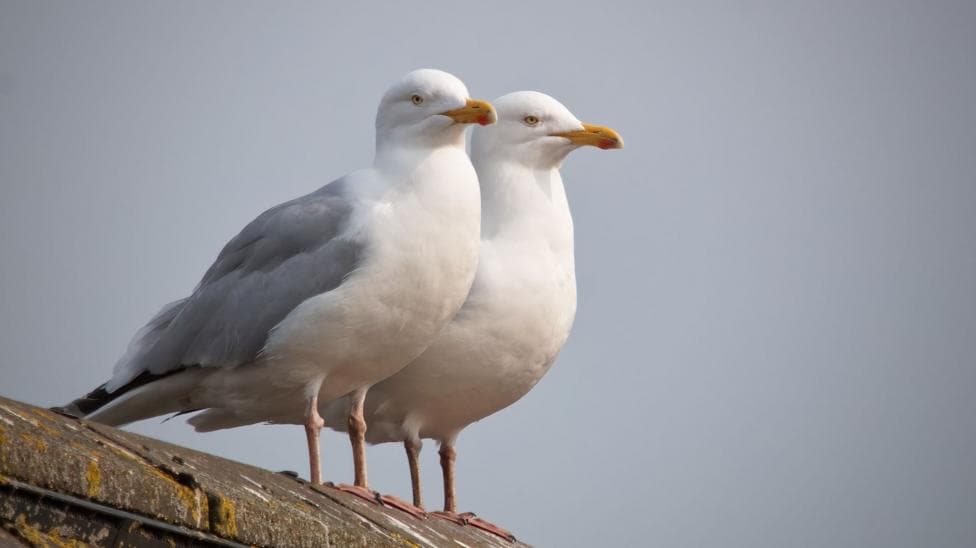
Dumfries and Galloway Council is deploying advanced technology including laser beams and drones to combat a decades-long struggle with urban gulls that have plagued the region. Environmental health teams have been using targeted laser systems to deter birds from nesting on council buildings, while drone surveys are mapping gull nesting sites across Nithsdale to inform future management strategies.
The council's multi-pronged approach reflects growing frustration with gull-related problems that have persisted for many years. Residents and businesses have reported incidents ranging from birds stealing food directly from people's hands to aggressive dive-bombing during nesting season, damage to rubbish bags, and persistent noise disturbances.
How long has this problem existed?
Dumfries and other towns across the region have battled gull overpopulation for decades. The local authority convened a summit to address the issue nearly 20 years ago and launched an egg and nest removal scheme in 2009. An earlier attempt to deploy falcons to deter roof-nesting gulls was judged only a "partial success," prompting the search for alternative solutions.
What new technology is being used?
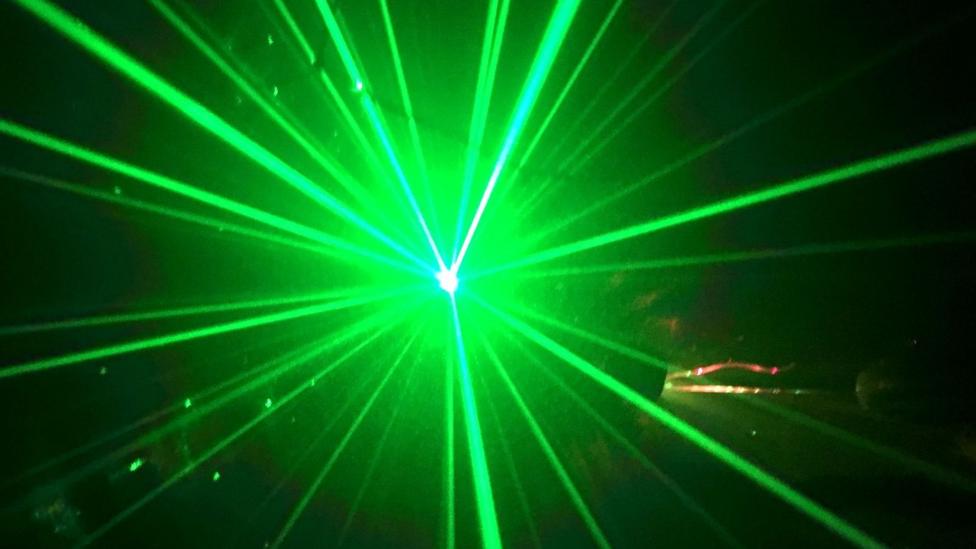
Laser beams that mimic the presence of a predator are now the council's primary deterrent tool. During the 2026 pre-nesting period, the environmental health team deployed lasers twice daily at 11 different council-owned properties across Nithsdale to prevent birds from establishing nests.
Drones have been introduced to identify gull nests at the earliest possible stage. In July 2026, Dumfries and Galloway Council announced it would use drones to survey rooftops and nesting sites across the region to better understand and manage gull populations. The council clarified that the environmental health team would conduct the survey and that it was not being used to monitor individuals or private property.

What other deterrents are being used?
The council now employs a range of preventative measures beyond lasers and drones. Roof spikes, noise emitters, and hawk kites are deployed across council properties to discourage gulls from nesting in areas that pose a risk to public safety. This diversified approach reflects guidance from NatureScot, the government agency that licenses councils to remove eggs and nests, which requires authorities to exhaust non-lethal measures before granting removal licences.
When has nest removal been necessary?
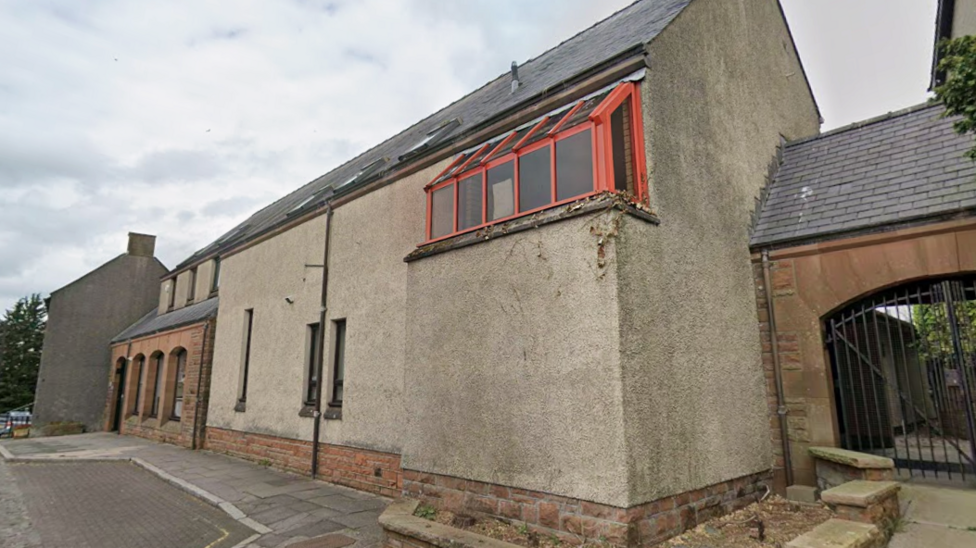
Despite the array of deterrents now in place, NatureScot granted two licences for egg and nest removal in Nithsdale during the 2025 nesting season. Eleven nests were removed at the Dumfries Activity and Resource Centre, while a single nest was removed at Brownhall Primary School.
What support has the government provided?
In September 2025, the Scottish Government announced that NatureScot would invest £100,000 in councils to support efforts to limit gull damage before the next breeding season, with funding directed toward deterrents including lasers, noise systems, roof spikes and netting.
What advice is being given to the public?
The council has issued guidance for residents encountering aggressive gulls. People are advised to move away calmly from confrontational birds, avoid nesting sites, raise a bag or umbrella if swooped upon, refrain from feeding gulls, and keep food covered when outdoors.
What happens next?
Members of the Nithsdale area committee will discuss the council's gull management report, along with wider updates on regional projects and initiatives, when they meet on 9 September. The drone survey results are expected to shape any future management and conservation work by Dumfries and Galloway Council, providing detailed data on nesting patterns and population distribution across the region.
Key Facts
- Dumfries and Galloway Council has deployed laser beams and drones as part of a multi-technology approach to gull management in Nithsdale
- The council used lasers twice daily at 11 council properties during the 2026 pre-nesting period to prevent birds from establishing nests
- NatureScot requires councils to exhaust non-lethal deterrents before granting licences for egg and nest removal
- The Scottish Government invested £100,000 in council gull management initiatives in September 2025
- Gull overpopulation has been a persistent problem in the region for decades, with the council convening a summit on the issue nearly 20 years ago