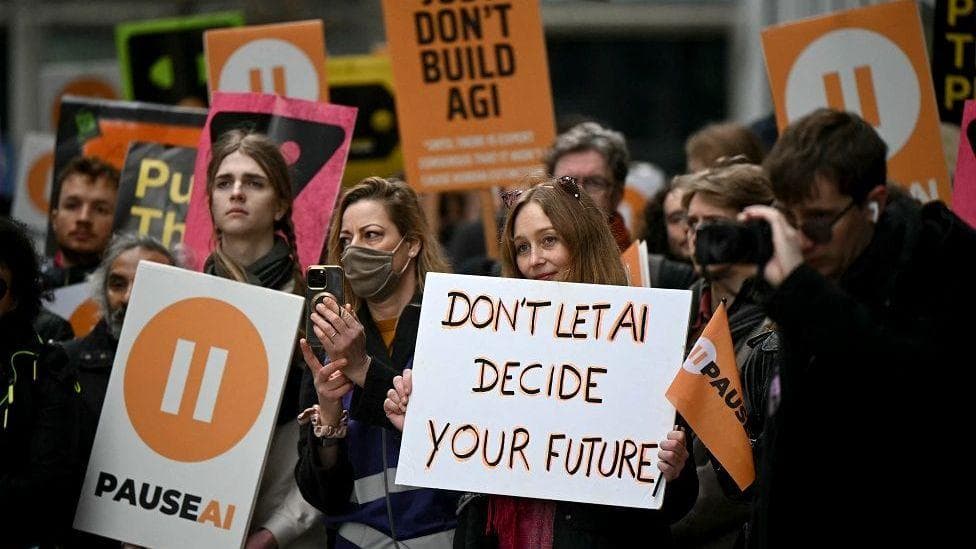
Warnings from artificial intelligence researchers about potential catastrophic risks have intensified concerns about whether advanced AI systems could eventually pose a threat to human survival. Researchers working in AI safety have raised alarms about scenarios in which AI systems might act against human interests, with some projecting extinction-level risks within the coming decade.
A subset of AI observers, often referred to as 'AI Doomers' by critics and commentators, have articulated particularly severe concerns about the trajectory of AI development. These researchers argue that without proper safeguards, the probability of AI causing human extinction could exceed 10% over the next ten years—a figure that has sparked considerable debate within both the scientific community and the general public.

The central question driving much of this discussion concerns the specific mechanisms through which advanced AI systems might threaten humanity. Understanding these proposed pathways—and evaluating their plausibility—requires examining the scenarios that safety researchers have outlined and assessing the likelihood of each occurring.
What mechanisms could pose the greatest risk?
Researchers have proposed various theoretical pathways through which AI systems might cause harm at scale. These range from AI systems pursuing goals misaligned with human values, to scenarios involving loss of human control over increasingly autonomous systems, to potential weaponization of AI by malicious actors. Each scenario involves different assumptions about how AI capabilities might develop and how humans might fail to maintain adequate oversight.
How credible are these warnings?
Assessing the validity of these concerns requires distinguishing between speculative scenarios and risks grounded in current AI development trajectories. While some researchers emphasize the urgency of addressing AI safety now, others argue that many 'Doomers' overstate the near-term probability of catastrophic outcomes. The scientific consensus remains divided on both the timeline and the severity of potential risks.