Honor’s Magic V6 is a super-premium Android foldable that pairs top performance, long battery life and strong cameras with software that still feels unfinished. It is a slim, stylish alternative to Samsung’s book-style foldables, but the polish does not always match the £1,500-£2,000 asking price.
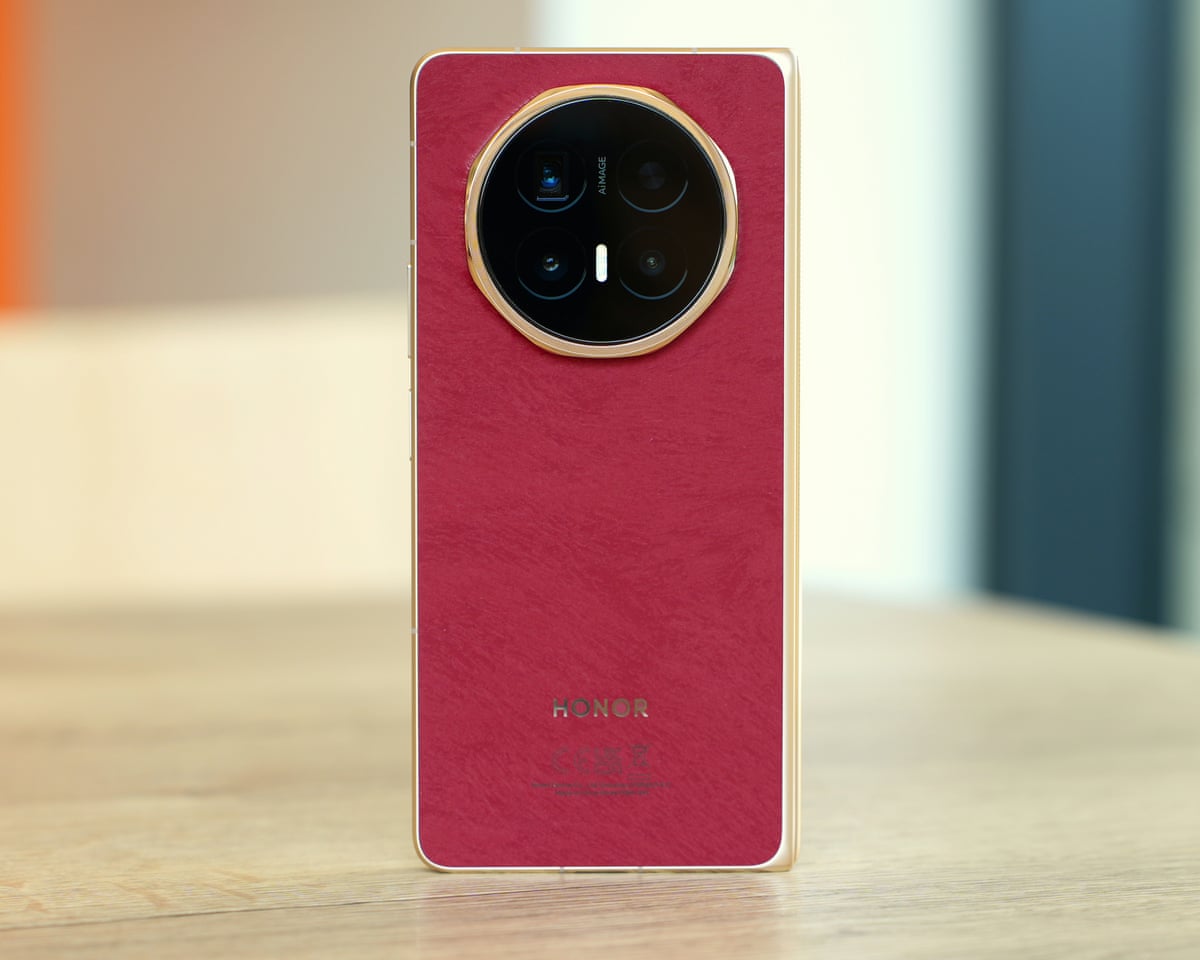
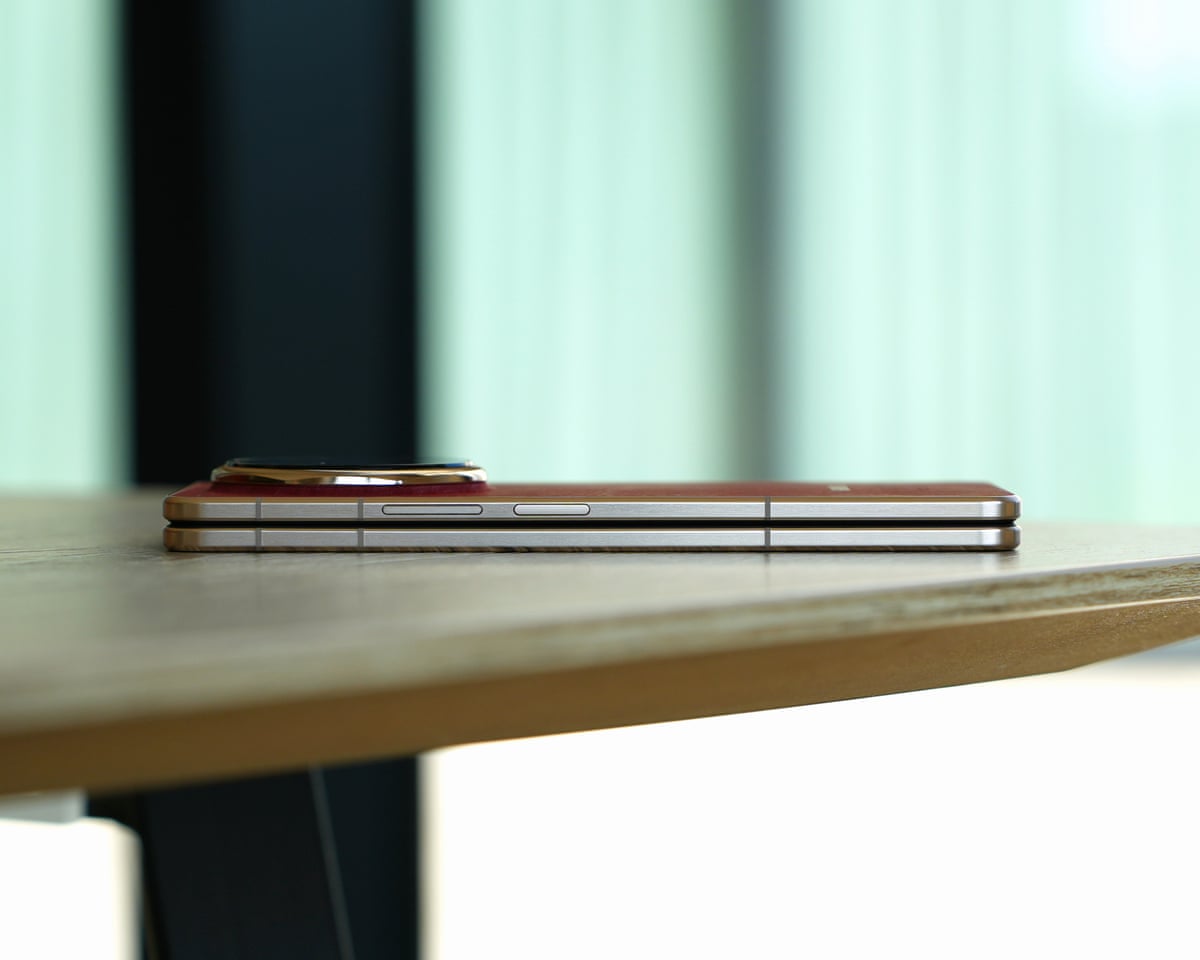
Honor has updated its svelte phone-tablet for its sixth version, giving it a red suede-like back framed in gold and keeping the company’s approach of fitting high-end cameras into a razor-thin body with a large circular bump on the rear. The phone costs £1,500 (€1,700/A$2,999) until August, when the price rises to £2,000 (€2,300), making it £300 more expensive than last year’s model as premium foldables continue to get pricier even at the top end of the market.
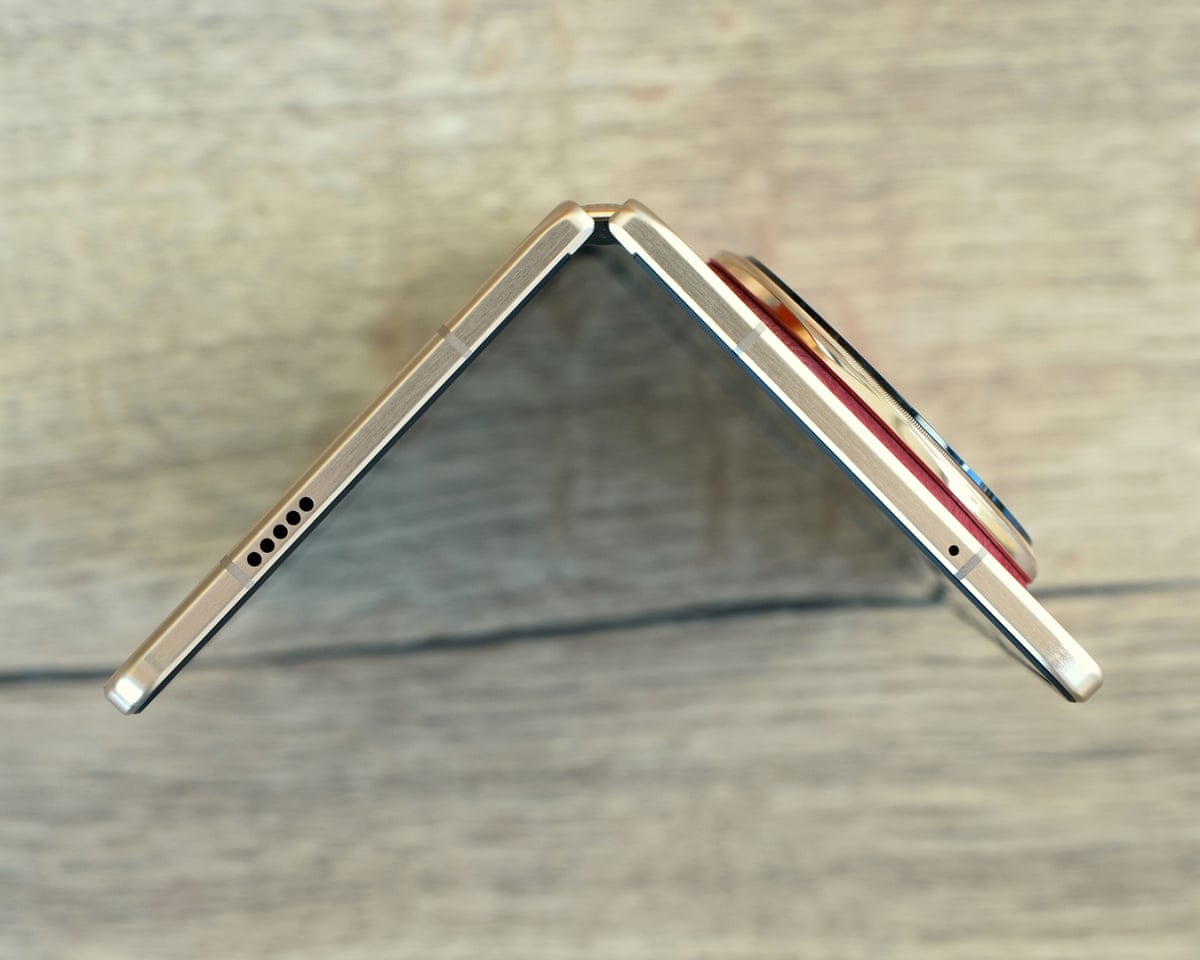
Other than the new red-backed version, the Magic V6 is almost indistinguishable from the great . It remains one of the thinnest and lightest foldable tablets on the market, includes a fingerprint scanner built into the power button and carries a proper IP68 water resistance rating that matches the best slab phones. That makes it easy to use as a daily driver, and when folded it behaves much like a regular flagship Android phone with a crisp, smooth OLED display.
When opened, the inner screen is among the best available and is well suited to media viewing and multitasking. The fold crease down the middle is a little more visible than on some rivals, though, and the integrated screen film attracts fingerprints, meaning it needs regular cleaning to look its best.
What are the key specifications?
The Magic V6 has a 7.95in 120Hz OLED flexible main display with 403ppi, plus a 6.52in 120Hz OLED cover screen at 406ppi. It runs on Qualcomm’s Snapdragon 8 Elite Gen 5 processor with MagicOS 10 based on Android 16, and it offers a 50MP main camera, 50MP ultrawide, 64MP 3x telephoto and two 20MP selfie cameras.
Connectivity includes 5G, dual SIM plus eSIM, USB-C, Wi-Fi 7, NFC, Bluetooth 6 and GNSS. The phone is rated for water resistance at 1.5 metres for 30 minutes, and its dimensions are 156.7 x 74.5 x 8.75-9mm when folded and 156.7 x 145.6 x 4.0-4.1mm when unfolded.
How fast is the Magic V6?
The Magic V6 uses Qualcomm’s top Android chip for 2026, the Snapdragon 8 Elite Gen 5, making it one of the best performers on the market and a rival to top slab phones such as the . In practice, however, the default “balanced” battery mode significantly limits the phone’s top performance.
That restriction is not noticeable in everyday messaging and browsing, but it becomes apparent in games and other demanding tasks. Switching to the “performance” battery mode improves speed significantly, although that also increases heat and reduces battery life.
How long does the battery last?
The Honor has a very large battery compared with most foldable rivals, and that helps it last almost two full days between charges while actively using a mix of both screens for more than eight hours of general browsing, messaging, work and media consumption. Gaming drains it more quickly, but the Magic V6 should still outlast even the heaviest usage days.
How good is MagicOS 10?
The phone runs Honor’s version of Android 16, MagicOS 10, which means it is not as up to date as some rivals running . Honor says it will provide seven years of Android version and security updates for devices sold within Europe.
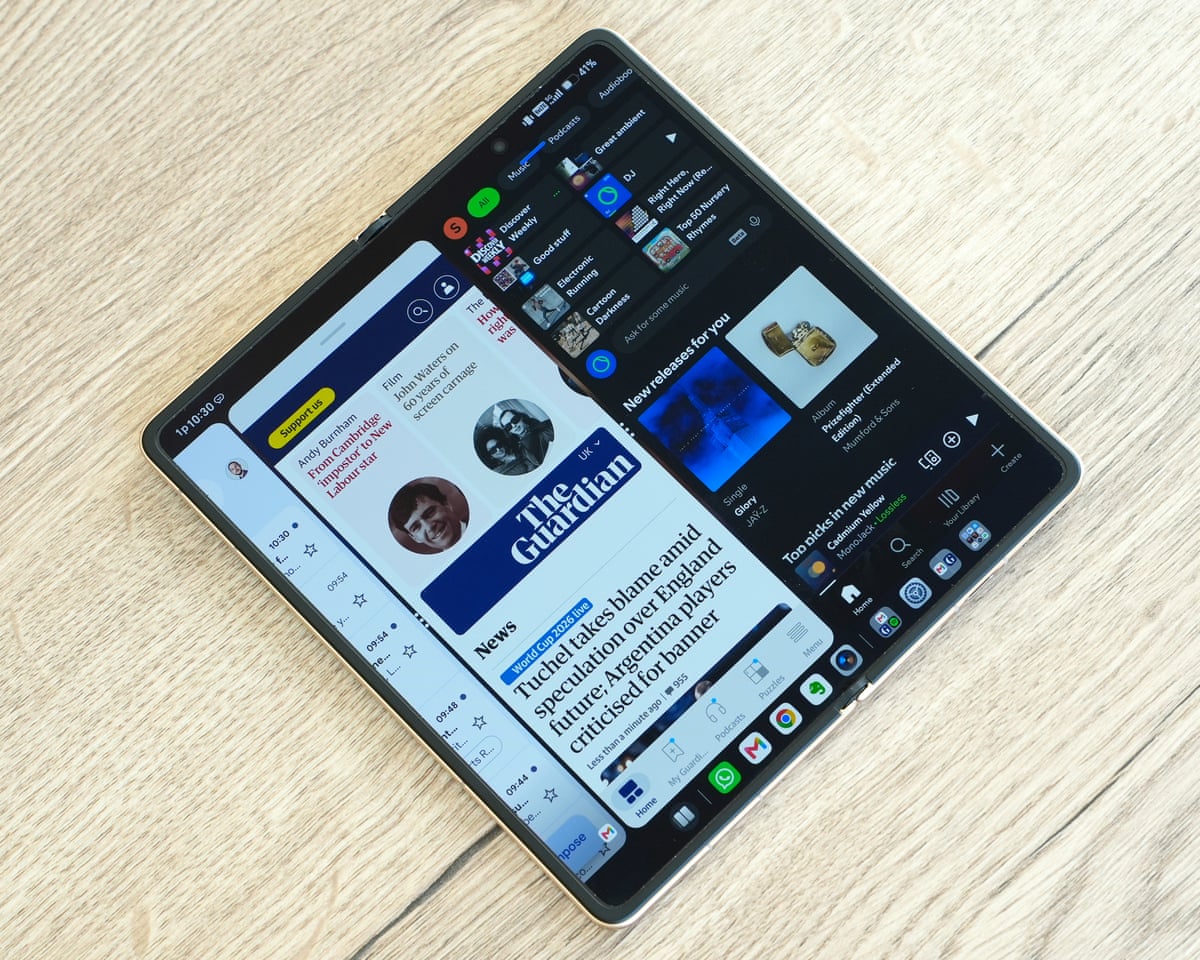
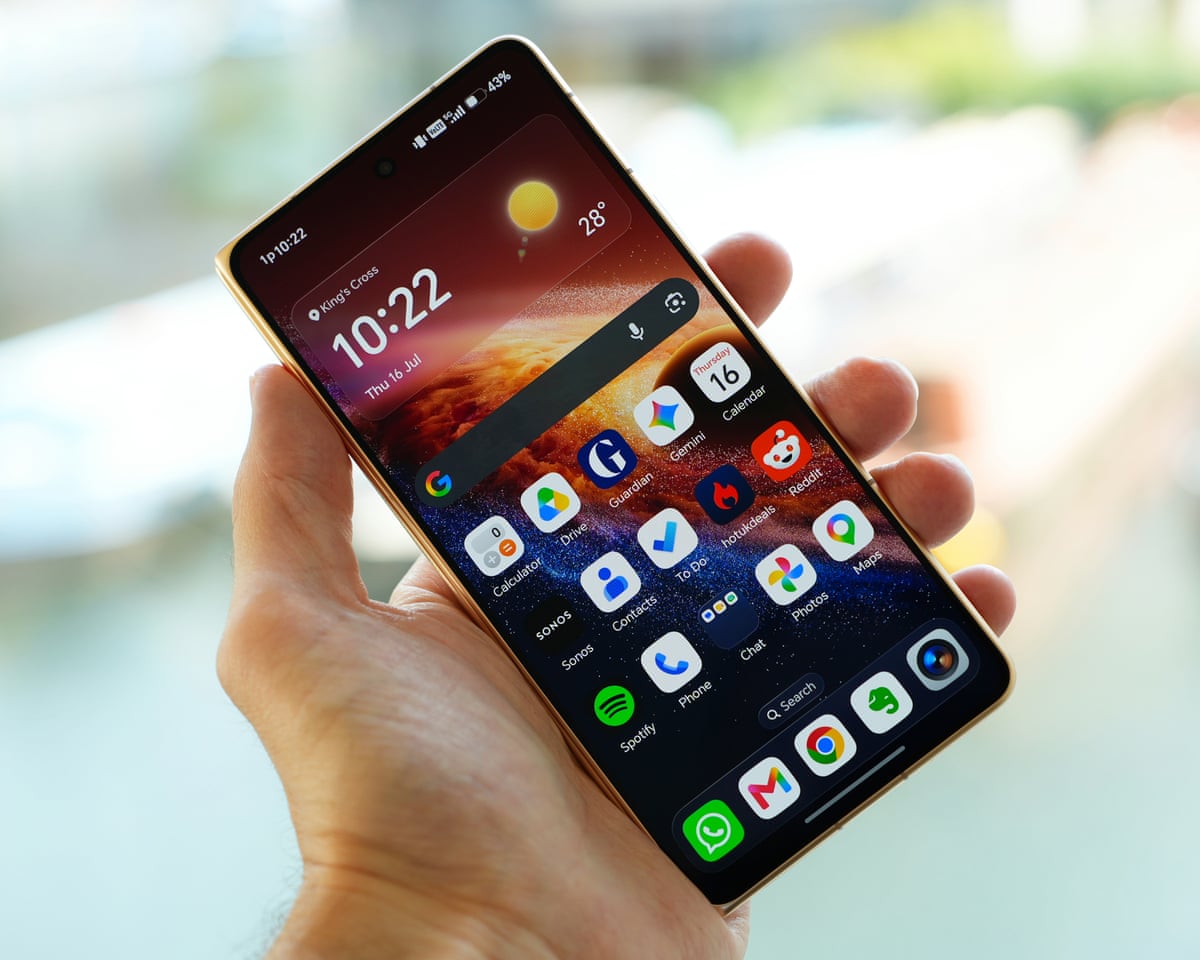
MagicOS has improved compared with last year. It looks appealing, offers plenty of customisation and includes several tools for making the most of the folding screen, including the excellent ability to split-screen three apps beyond the bounds of the physical display, .
AI tools are spread throughout the operating system, including Google’s Gemini, which can be set to open in split-screen beside whatever app is in use by quickly flexing the tablet. Many of the tools work as shortcuts for actions such as saving screenshots, editing photos and changing settings on the phone.
The “AI button” is intended to launch actions such as turning on the torch or opening an AI tool by double-tapping, not depressing, the power button, but it does not work. Other parts of the operating system are also unpolished. A bug stops Google’s Chrome browser from opening in split-screen. Honor’s App Market describes out-of-date apps as having a “low version” and tries to update apps installed from Google Play, putting the two app stores into conflict. The Honor also cannot use different home screen layouts for the inside and outside screens, and messaging apps such as WhatsApp often insist on opening as small floating windows when a notification is tapped, even on the outer screen.
These issues might be tolerable on a much cheaper phone, but not on a device costing £1,500-£2,000. You can and should expect better.

How do the cameras perform?
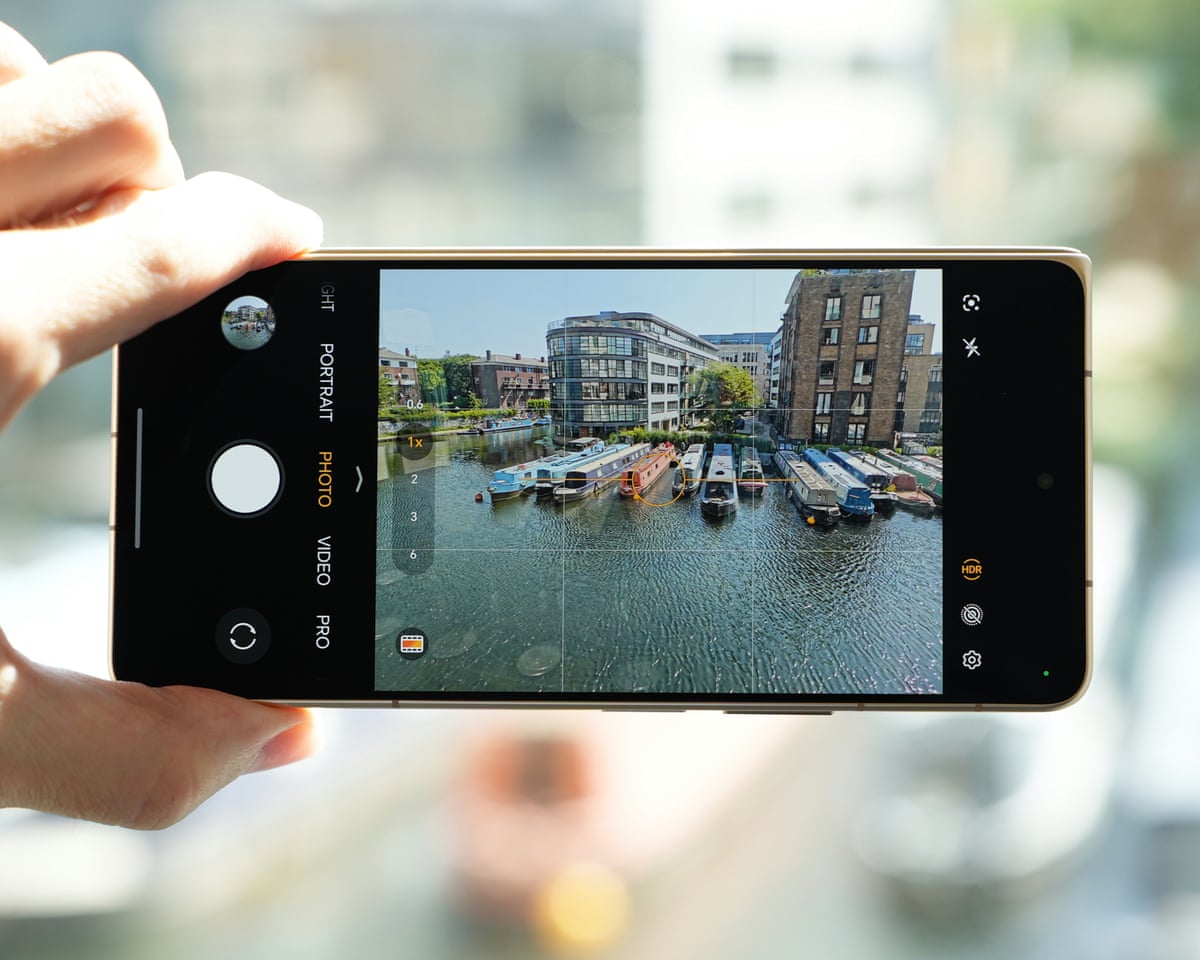
The large circular bump on the back contains three cameras, while each of the two screens has a 20MP selfie camera, giving the phone a total of five cameras.
The cameras have changed little since last year’s V5 and perform very similarly. The main 50MP camera takes excellent standard 12MP photos with good detail and dynamic range, and its cropped 2x zoom is useful, although it can suffer notably from on stripped textures. The 50MP ultrawide camera has been improved since the V5, solving some of the .
The 64MP 3x telephoto camera is the best of the three, delivering excellent detail even with its 2x crop zoom for an effective 6x magnification. Digital zoom remains good up to 30x before it becomes obviously enlarged.
Low-light photography is strong across all the lenses, and the camera app includes a wide range of features, including many AI tools and a solid manual mode for more creative photography. The Magic V6 records decent video up to 4K at 60 frames per second and can be used in several partly folded orientations.
What does it mean for sustainability and repairs?
The battery will maintain . The phone is generally repairable, and Honor publishes repair costs, including £609 for an internal screen and £152 for the external screen, plus labour and shipping. Honor also offers a free screen repair (Care+) for 24 months if the phone is bought before 2 August.
The device contains limited recycled materials, which Honor breaks down in the phone’s . The company offers and .
The Honor Magic V6 has an introductory price of (€1,699.90/), which will rise to £1,999.99 (€2,299.90) from August 2026 in some regions.
For comparison, the Samsung Galaxy Z Fold 8 Ultra costs and the costs .
Should you buy it?
The Magic V6 is another highly attractive book-style foldable from Honor, but it does not move the category forward in a meaningful way compared with last year, despite an increasingly competitive market.
It offers excellent battery life that matches some of the best slab phones. The outer screen is very good, while the inner display is good but has a more noticeable crease than some recent rivals. The Magic V6 feels especially good when used like a phone, and the huge rear bump helps fit in strong cameras while also preventing the device from rocking on a table like some others.
However, the software remains Honor’s weak point. It is still not as current or as polished as it needs to be on a phone this expensive.
As capable as the Magic V6 is, it lacks a compelling reason to choose it over more complete rivals from Samsung, Google and others.
Pros: slim, light, just like a normal phone when closed, great performance, very long battery life, good internal screen, decent camera, good fingerprint scanner, IP68/9 water and dust resistance rating.
Cons: very expensive, software not as refined as needed, more fragile than a regular device, costly to repair, not much of an upgrade on previous model.