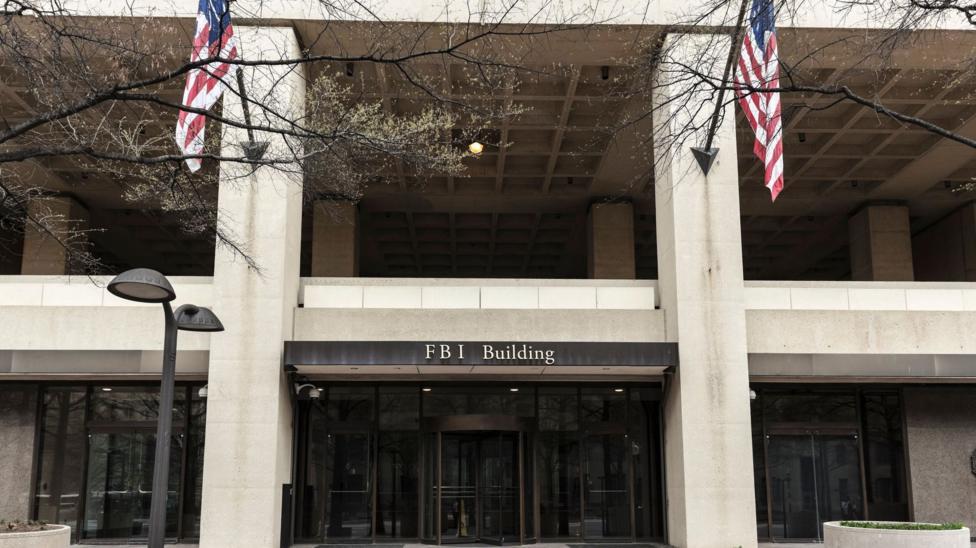
The FBI is investigating what appears to be a breach of its National Crime Information Center (NCIC) database, a critical law enforcement resource, according to BBC News. The intrusion was discovered in recent days, though investigators have not yet determined whether records were accessed, stolen, or altered, or whether the incident affected other agencies' access to the system.
The NCIC database enables federal and local law enforcement agencies to share information on warrants, background checks, and criminal records. The timing of the reported breach follows a series of significant technology disruptions that affected banking, air traffic control, and other critical sectors across the United States last week, though officials have stated those outages were not caused by cyberattacks.
The discovery of this apparent breach comes amid heightened scrutiny of cybersecurity within federal agencies. Former FBI official Chris Swecker warned that attackers might compromise the accuracy of NCIC information officers rely on, not just expose sensitive data. This concern extends beyond mere data theft to the potential manipulation of records that law enforcement depends upon for operational decisions.
What is the NCIC and why does this matter?
The National Crime Information Center serves as a shared database for law enforcement across federal and local jurisdictions. Its integrity is essential to the functioning of criminal justice operations nationwide. Any compromise of this system could affect the reliability of background checks, warrant information, and other critical law enforcement data.
How does this fit into a broader pattern of breaches?
This is not the first time the FBI has faced a significant cybersecurity incident. In September, the FBI disclosed that it was investigating an apparent breach by the cyber-crime group ShinyHunters, which claimed to have stolen sensitive information on approximately 38,000 bureau staff members. Following that incident, a former FBI agent expressed concerns to the BBC about the safety of current employees, warning that their personal information could become available to criminals and hostile nation-state actors.
The pattern of breaches extends beyond the FBI. Personal details of over 41,000 US Department of Homeland Security employees, including immigration enforcement agents, were leaked online, marking the third government agency to suffer a major data exposure. Additionally, Dyfed-Powys Police in Wales suffered a cyber-attack on 14 September affecting non-emergency systems and potentially compromising staff information.
What about the reported USDA cyberattack?
In a separate but related development, the US Department of Agriculture reported a cyberattack on its farm payment system. Employees were informed on Thursday that the system had been targeted. USDA Undersecretary Richard Fordyce said the incident was a "cyberthreat," not a software update, and that no personally identifiable information or data was lost. The incident affected Farm Production and Conservation applications, including Farm Service Agency loan software and a Natural Resources Conservation Service program used to release farmer payments.
The USDA had not published a detailed account or identified an attacker as of Friday night. However, the agency reportedly reset database passwords and restarted applications across its environments in response to the threat.
What happens next with the USDA systems?
The USDA expected most affected systems to be restored by close of business Friday, with restoration work continuing over the weekend. Some services could face intermittent outages through the week as the agency completes its recovery efforts.
What is the broader context?
These incidents occur against a backdrop of recent changes in federal cybersecurity leadership. White House National Cyber Director Sean Cairncross was dismissed this week, with US President Donald Trump stating he was not performing adequately. The timing of these breaches and the leadership transition raises questions about the state of cybersecurity preparedness across federal agencies.
Key Facts:
- The FBI is investigating an apparent breach of its National Crime Information Center database used by law enforcement nationwide
- Investigators have not yet determined whether records were accessed, stolen, or altered
- The USDA reported a separate cyberattack on its farm payment system, with no personally identifiable information reported lost
- This follows a September breach affecting approximately 38,000 FBI staff members by the ShinyHunters group
- Multiple federal agencies have experienced significant cybersecurity incidents in recent months