
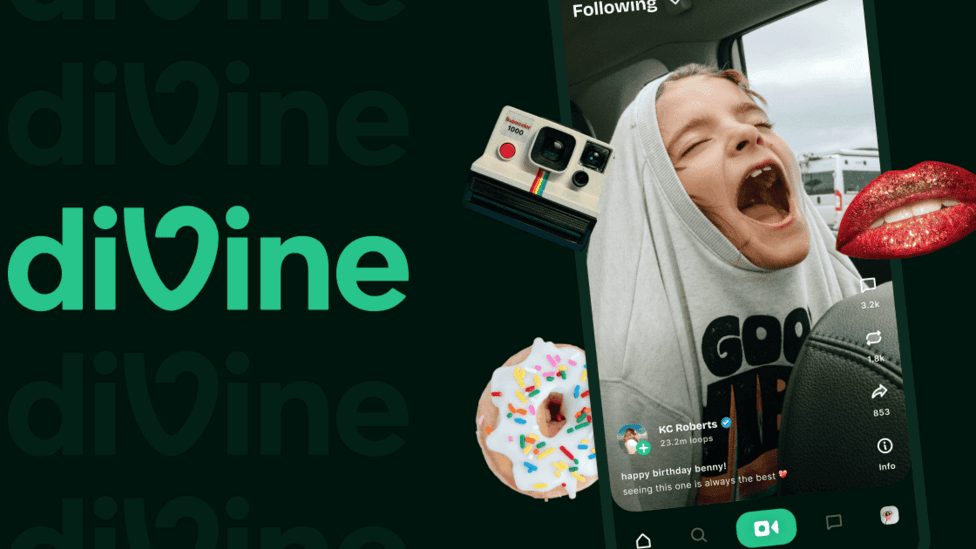
A new app positioned as the spiritual successor to the defunct short-form video platform Vine has opened to the general public, marking a significant moment in the platform's revival. Divine, which became available to all users on 20 August 2026 after months of invite-only testing, recreates Vine's core appeal: six-second looping videos paired with a strict prohibition on artificial intelligence-generated content.
The platform distinguishes itself through its technical architecture and content philosophy. Unlike TikTok or Instagram, Divine operates on Nostr, a decentralised system that prevents any single company from controlling user data and accounts. This means creators can theoretically migrate their profiles and videos to other services built on the same infrastructure, a feature that has attracted similar platforms such as Bluesky and Mastodon seeking alternatives to traditional corporate social networks.
Divine's founder Evan Henshaw-Plath, a former Twitter employee, conceived the project as a response to what he saw as fundamental problems in contemporary social media.
I want to see it rival other apps because I think we have gone awry,he explained in an interview conducted weeks before the public launch. His concern centred on the proliferation of AI-generated material across existing platforms.
I'm sick and tired of seeing videos and not knowing whether it was real. I want to be able to have fun and not have to second guess these things,he said.
The platform's anti-AI stance aligns with a broader industry shift. Multiple platforms have begun cracking down on what creators call "AI slop", with Snapchat, YouTube, LinkedIn and Substack all restricting algorithmic promotion of wholly AI-generated videos. Divine takes this further by banning such content entirely from the platform.
To enforce this policy, Divine employs multiple verification mechanisms. Users must record videos directly within the app rather than uploading pre-made files, eliminating a common pathway for AI content. The platform integrates ProofMode, a verification tool that functions as a digital receipt for media, attaching metadata about recording time and file integrity. Additionally, both automated systems and human moderators review flagged content, with users empowered to report suspected AI videos.
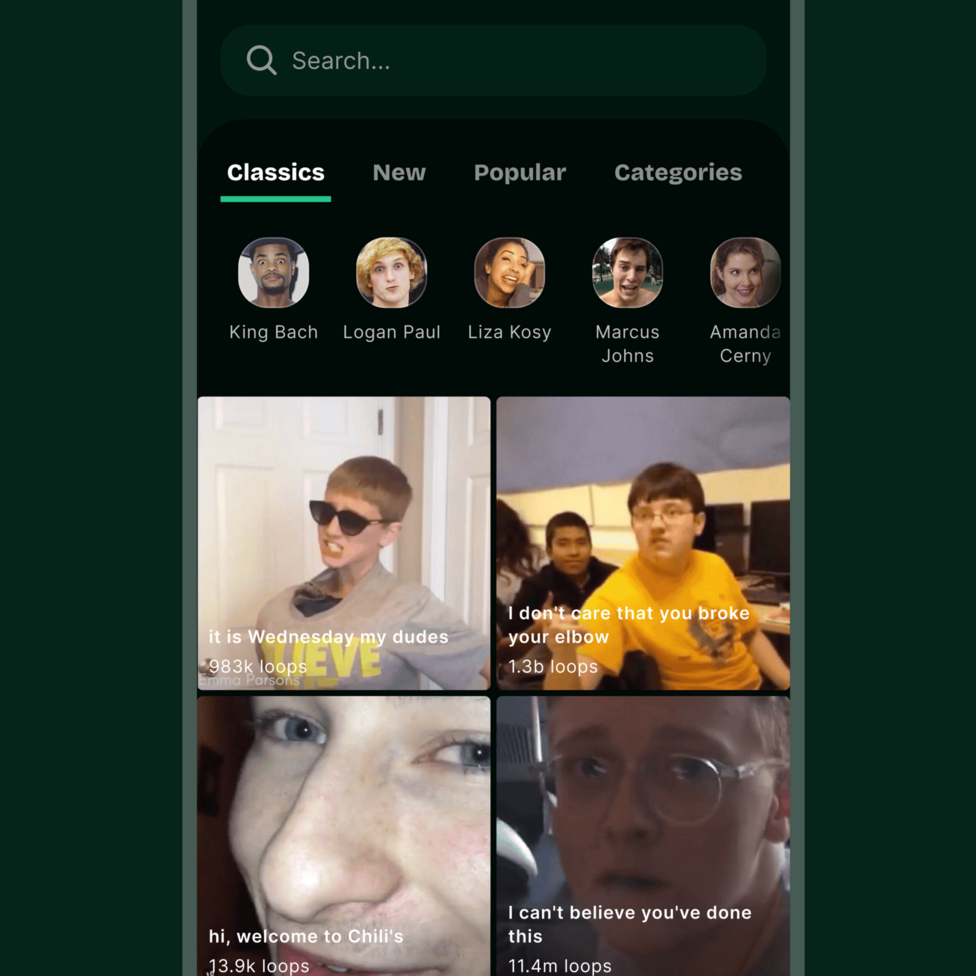
A particularly compelling feature distinguishes Divine from other new social platforms: access to more than 2.5 million restored videos from the original Vine archive. Henshaw-Plath initially set out only to recreate Vine's format, but discovered that the Internet Archive had preserved Vine's data. After months of reconstruction work, he restored the historical catalogue. The response exceeded his expectations: within the first few hours of the app's initial limited release, 10,000 users installed it, overwhelming the servers.
That's when I went, oh, there's something more here,he reflected.

The restored archive includes content from some of the internet's most recognisable creators. Jake Paul and Lele Pons, among others, built their early careers on Vine before the platform's shutdown by Twitter in 2017. At its peak, Vine commanded more than 200 million monthly active users, establishing itself as a cultural force in short-form video before the format was largely abandoned in favour of longer content on YouTube and similar services.
Divine's backing from Jack Dorsey, Twitter's co-founder who held a senior role when Twitter acquired Vine in 2012, signals institutional confidence in the revival. The project has also attracted commercial partnerships: Taco Bell was announced as Divine's first brand partner, with early access offered through a promotional code before the public launch on 20 August 2026.
What makes six-second videos valuable?
Henshaw-Plath defended the six-second format against the prevailing trend toward longer videos by drawing a literary parallel.
We could do free-form prose. Yet poetry is a form in which we value and which has meaning. And so there's many ways in which Vine was poetry.This framing positions Divine not as a nostalgic throwback but as a deliberate artistic constraint with inherent value.
What challenges does Divine face?
Social media analyst Matt Nevarra identified a fundamental tension in Divine's approach.
The mechanisms people dislike about modern social media are often the same that made those platforms extraordinarily good at keeping people there,he observed.
So Divine now has to prove you can remove some of the addiction without removing the magic.The platform must demonstrate that stripping away algorithmic manipulation and AI content does not eliminate the engagement that made Vine successful.
The challenge extends beyond technical implementation. Divine must convert nostalgia among former Vine users into sustained engagement from a new generation of social media users who have grown accustomed to algorithmic feeds and longer-form content. The app became officially available in app stores on its launch day, 20 August 2026, with distribution across the App Store, Google Play, and the Nostr-powered Zapstore.
What happens next?
Divine's public launch removes the final barrier to entry, ending the invite-code phase that characterised its earlier rollout. The platform's success will depend on whether it can retain users beyond the initial wave of Vine enthusiasts and attract creators seeking an alternative to algorithm-driven platforms. The restoration of the Vine archive provides immediate content value, but the platform's long-term viability rests on its ability to foster new creative communities within its constrained format and decentralised structure.


