Megan Szostak, 26, has been birding since childhood and says Merlin Bird ID has become part of her toolkit. The San Francisco-based birdwatcher, who was always a "bird kid", now uses the app alongside the binoculars and field guide that first helped her identify birds after she was given her grandfather's binoculars following his death.
In recent years, her birding toolbelt has expanded to include something far more modern - an app.
"I had friends who probably wouldn't describe themselves as birders, but more just curious about nature and the world around them, recommend it to me," Megan said.She is one of many millions of people who have downloaded Merlin Bird ID, which claims to be able to identify almost any bird by its look, song or call.
"I think that it's been a really great tool that I've integrated into my birding routine," she said.And whether down to heatwaves sending more people outdoors, or younger people delving into birding, these apps are booming in popularity.
How big has Merlin Bird ID become?
Chief among the apps is Merlin Bird ID, developed by Cornell University's Lab of Ornithology. According to director Jessie Barry, it has been downloaded 12 million times in 2026 alone and has had 42 million downloads overall. The app launched in the US in 2014 with machine learning systems that could identify 285 common bird species from photos.
A real feather in its cap at the time, the app has now grown to identify 11,000 species of birds - around as many as exist in the world. Barry said the development has been driven by AI, as well as "an amazing community of global bird watchers who are able to submit their recordings" - meaning more data to train the tech.

Seasoned birdwatchers would be quick to say the app doesn't always get it right. Some experts and charities have urged not to rely too much on Merlin, or other apps like it, especially to record official sightings. Nonetheless, Cornell says its Sound ID tool has been used for 4.4 billion identifications.
Market intelligence firm Sensor Tower said other Bird ID apps have also been used more - such as Birda, which it says has had 31% more downloads this year. These recent surges may in turn reflect the growing popularity of birdwatching among young people, with reports Gen Z birders have flocked to nature reserves.
"We have minimal demographic information, but we can definitely see the shift to younger audiences," said Barry.
"The folks who are sharing their experiences with Merlin, talking how they're just getting started birding for the first time, might be making references like 'well now that I'm 30, I'm a bird watcher'.
"It's been really fun to see younger folks jump in."
Tech Life: Electronic 'noses', understanding sleep and bird ID apps
Why do younger birders like these apps?
For Megan, having both audio and visual methods to ID birds in Merlin reflects the "inclusive and accessible" nature of birdwatching.
"A lot of people out there bird using their ears or their eyes," Megan said.
"You don't need to use all of your senses while you're birding, which is really amazing."
While noting "fair" criticism that the app gets it wrong sometimes, Megan said it helped open up a hobby "people once thought was reserved for a very specific type of person with a specific set of knowledge".
As part of a Gen Z contingent whose appreciation for birding has surfaced on social media, Megan also shares her sightings on TikTok and Instagram, external.
"I honestly really enjoyed seeing those memories and creating these little videos, and I'm by no means a master videographer, but I do think my biggest strength with it is slowing down and noticing," Megan adds.
"I think that creating the videos honestly encourages me to do that more."
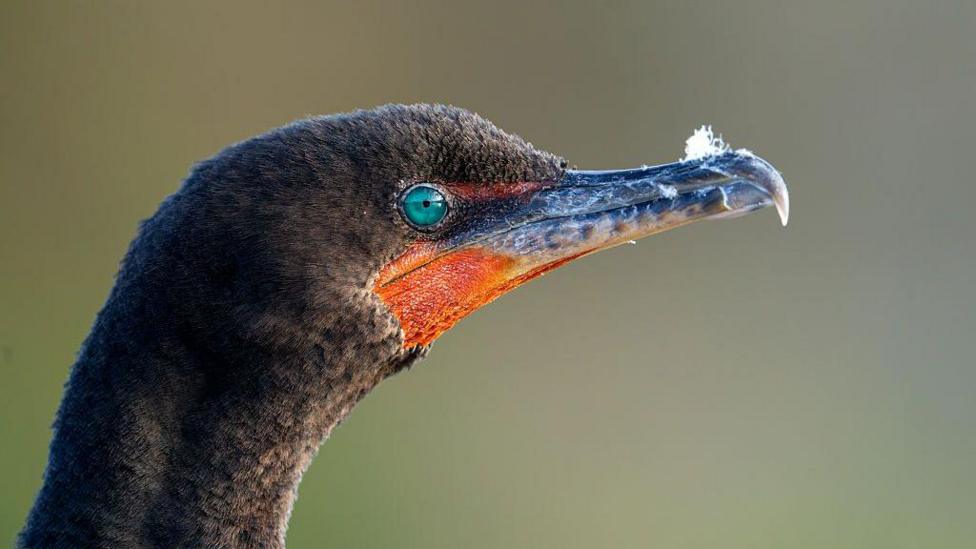
Megan says seeing varying cormorant species during her childhood on the US East Coast and in her adulthood on the West Coast has provided "a kind of thread" through her life
Merlin has often been called a "Shazam for birds" - likening it to Apple's app letting users identify a song playing using a phone's microphone. But some fans felt it left room for more.

Why did one user build her own bird ID app?
Sam Lewis, a 32-year-old software engineer living in Stockport, used Merlin for several years before he was inspired to build his own bird ID app, Lifer. It lets people collect virtual cards for their catches, with backgrounds illustrated in hand-drawn watercolours by his partner Emily.
It borrows ideas from other games, with the cards changing based on the quality of the image or sound recording used to ID the bird - as well as its rarity. Sam hopes to attract those who, like himself, felt the pangs of an infamous monster collecting game when using Merlin to ID and save their bird sightings.
"They are real-life Pokémon, really, if you think about it," he said.

Pokémon Go, still popular a decade on, prompted people to venture out to catch 'em all, with the added perk of it helping them stay fit - something Sam thinks this lends itself naturally to birding.
"I think it's getting out and about, but still having that gamified technical side to it," he said.
"People love the rarity and scarcity of stuff, like Pokémon cards, and there's rare birds out there that you can see and hear right now."
Sam hopes his idea can contribute more broadly to conservation efforts. To combat fears using such apps may drive people to seek out some species when they shouldn't, Lifer hides precise locations of rare breeding birds on maps during sensitive periods.
Qualifying catches are also sent to the Global Biodiversity Information Facility, an international network which provides open access to data about all types of life.
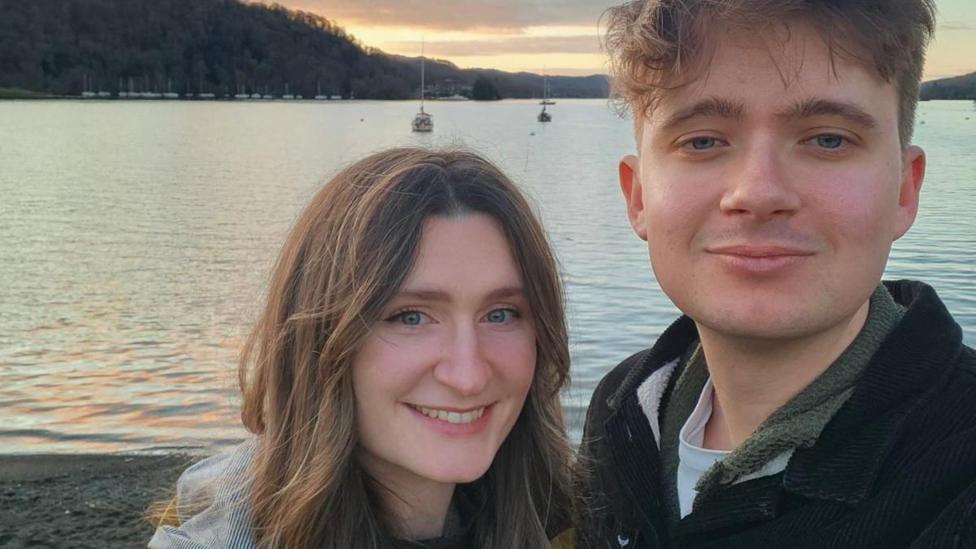
Emily and Sam combined their skills in art and software engineering to develop Lifer
What does the future look like for Merlin?
Barry told the BBC the future plan for Merlin is to continue keeping it simple.
"We really want Merlin to be fun and easy to use, first and foremost, and have it be a place where you can jump in and think about your world of birds," she said.
"It's trying to be the best experience with the technology of a mobile device in your hand, but really encourage you to get outside, look at those birds and enjoy that experience with them."

for our Tech Decoded newsletter to follow the world's top tech stories and trends. Outside the UK? here.
Scientists find the secret of birdsong's 'spectacular diversity'
Birdwatching is cool now - young people tell us why
Satellites and AI used to track UK hedgehogs in bid to slow decline