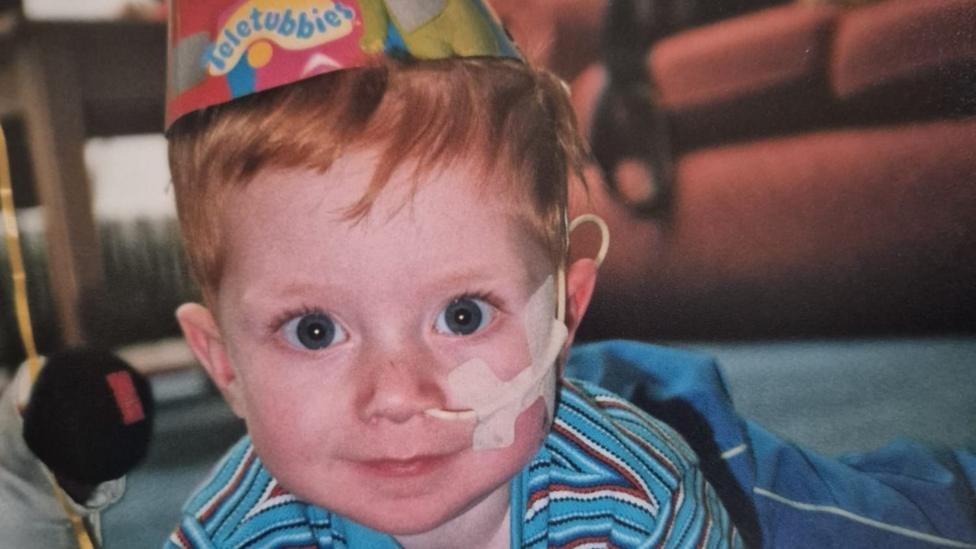
When Luke Alfano was 21, his father died just two weeks after receiving a cancer diagnosis. The sudden loss left him uncertain about how to process his emotions or where to seek support. Five years later, that experience of isolation prompted him to establish Too Young to Grieve, a peer-led community designed to offer young adults a welcoming environment to discuss their grief, share experiences and realise they are not alone in their loss.
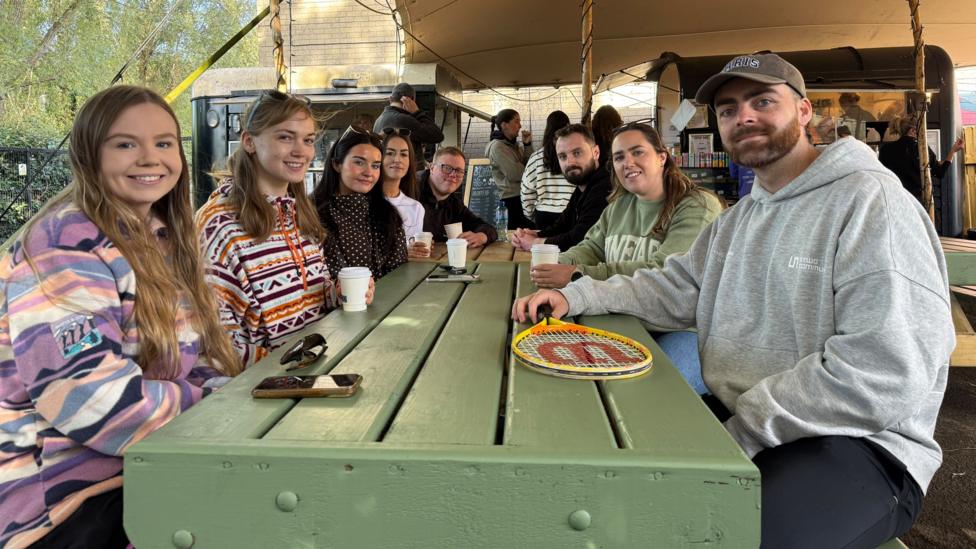
According to BBC News, the organisation now operates across more than 20 locations worldwide, including London, Manchester, the United States, Australia and, most recently, Belfast. The group facilitates both casual conversations and structured activities ranging from walks and hikes to pottery sessions and sports tournaments, all designed to help young people aged 18 to 35 navigate bereavement in a supportive setting.
The community has expanded significantly since its inception. Alfano reported that the organisation has grown to almost 60,000 people, with its Young Grief Project collecting more than 3,000 responses from bereaved young people about how loss affects education, work, identity, relationships and mental health. The Loss Foundation has named Alfano an ambassador, recognising his efforts in creating community spaces, organising events and conducting research to help young people feel understood and supported.
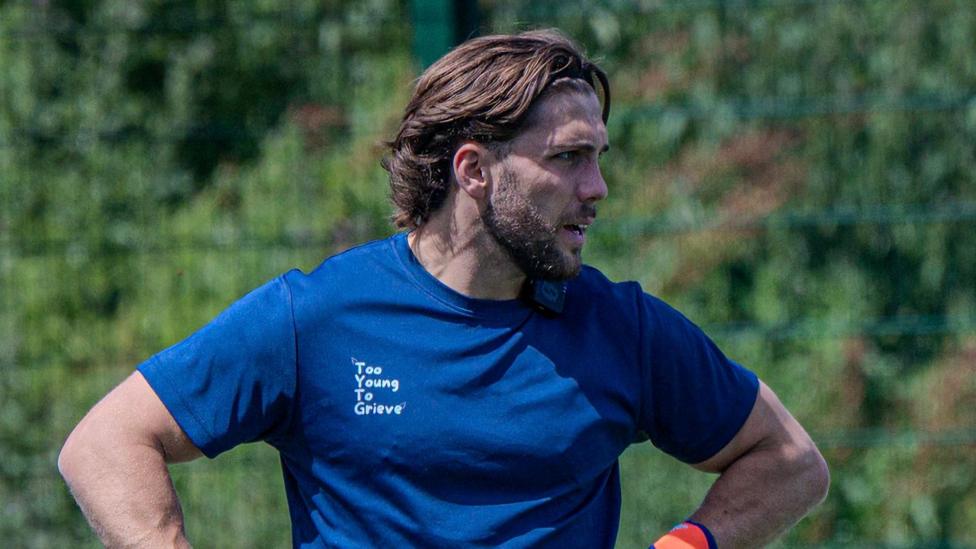
Alfano's journey toward founding the organisation began when he was 25 and lost his grandmother. That second loss prompted him to reflect on his father's death and recognise that he had never truly processed the initial grief.
"That experience was a trigger to think back to what happened with my dad and think I don't want to experience that again, so let me try and understand it a bit more,"he explained. In the years immediately following his father's death, Alfano had largely avoided confronting his emotions.
"I didn't really know what was going on. I didn't know what this thing called grief was, I just ignored it."
Why young adults face unique grief challenges
The 18 to 35 age group faces particular difficulties when grieving, as the people they lose are often those they would turn to for guidance during major life decisions.
"When you're 18 to 35, you're grieving someone that most people are going to turn to for a lot of the most important decisions in your life,"Alfano said.
"You just want to talk about your person, or just have a space to talk about how you're feeling."
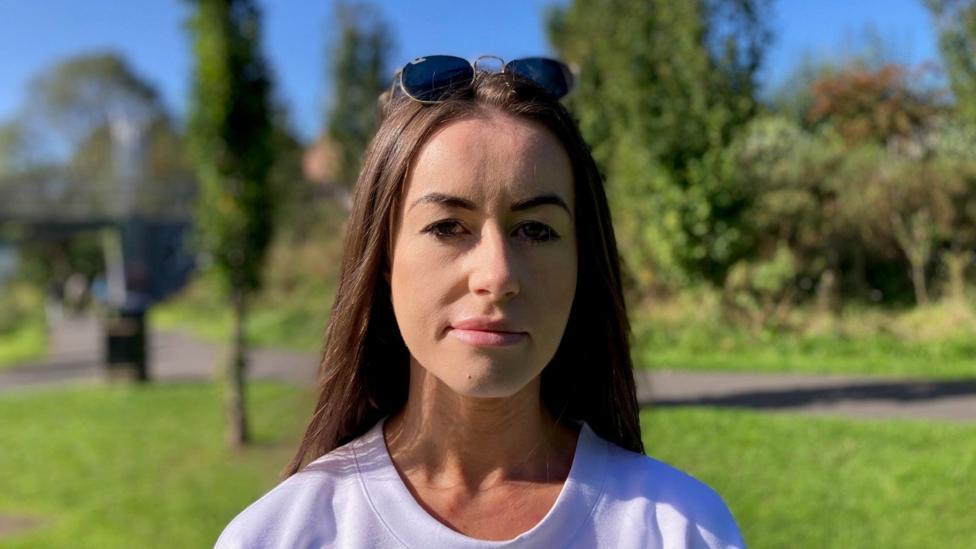
Katherine Macauley, 32, experienced this firsthand when her fiancée Peter died in a workplace accident on 23 December 2025, just two days before Christmas. Though she acknowledges her grief will persist indefinitely, she has found solace in the community.
"Too Young to Grieve is a really lovely way of bringing people together that are in similar situations. You feel that you're actually not alone and that other people can have some shared experience with you, and that you can learn from that and you can comfort each other through that. It's a really, really wonderful community and group of people."
How the Belfast branch is addressing local mental health needs
Chris Guiller now runs the Belfast branch of Too Young to Grieve after his own father died at 57, just five months after a cancer diagnosis. When his loss occurred, Guiller felt profoundly isolated.
"I didn't have people around me that understood what I was going through,"he recalled. Nearly two years later, his involvement with the organisation has transformed his perspective.
"You know you're not going through it by yourself. What you're feeling is normal,"he said.
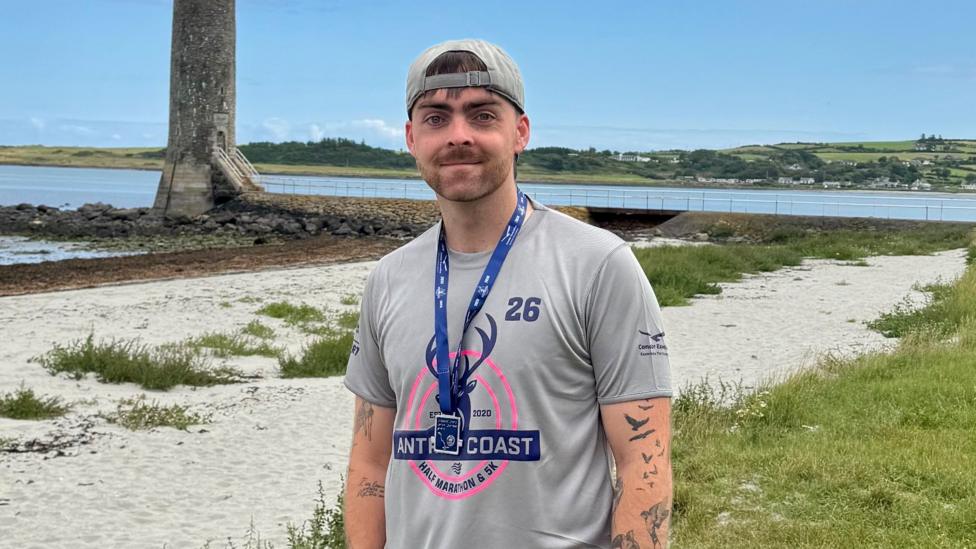
Guiller emphasises that the group addresses a critical gap in Northern Ireland's mental health infrastructure. Research has shown that the region spends less on mental health services per capita than other parts of the United Kingdom and Ireland, despite having more complex cases requiring support.
"The mental health side of things over here is a bit further behind than other parts of the UK and Ireland. You need something like this here because there are a lot of people suffering out there that think they're alone. And they're not."He added that his father would have been proud of the work being done through the organisation.
Socialising plays a particularly important role for grieving individuals, as isolation often prevents people from leaving their homes. Guiller noted that Too Young to Grieve helps members
"build friendships so you have a community around you that you can fall back on."
Personal healing through shared experience
William Gregg lost his mother in 2017 and initially struggled to cope with the emotional devastation.
"It tore me apart for a little while, I sort of lost my way,"he said.
"It can be quite catastrophic and emotionally damaging."He found that Too Young to Grieve provided essential support during his recovery.
"It's good to know that there people out there who have gone through something similar and are able to talk about it. Whenever I was young, I didn't really have anybody to talk to."

For Gregg, the group's greatest benefit has been its role in protecting his mental health by offering a judgment-free space to express himself. The informal nature of the community contrasts with more formal support structures, which can feel overwhelming to people in the immediate aftermath of loss. According to reporting on the Glasgow Too Young to Grieve run club launched in May 2026, Alfano has noted that formal counselling can feel daunting for some people during the first year after a bereavement, which is why the organisation began as a podcast and social media platform before expanding into live events in early 2026.
Educational guidance on grief and bereavement
Alfano has advocated for better signposting of grief and bereavement resources within schools and universities. In England, progress has been made on this front. The Department for Education published statutory guidance requiring lessons on loss, grieving and bereavement to take place in primary and secondary schools from 1 September 2026, when the revised relationships, sex and health education guidance took effect.
However, Northern Ireland has not yet implemented equivalent guidance. A spokesperson for the Department of Education stated that
"schools have pastoral care policies and structures"to support children requiring assistance with bereavement. The department also noted that
"the Council for the Curriculum, Examinations and Assessment has provided a range of resources which address grief, loss, and bereavement both at primary and post-primary level."
The lasting impact of community support
For Alfano himself, founding Too Young to Grieve has been transformative.
"Having the opportunity to share things about my dad has given me a great perspective on grief, and it's helped me on my own healing journey as well,"he reflected. When asked what his father would think of the organisation built in his memory, Alfano offered a poignant response.
"My dad wanted me to be a professional footballer. Unfortunately I wasn't quite good enough. But in terms of the community we've built, it could fill a lot of professional stadiums."