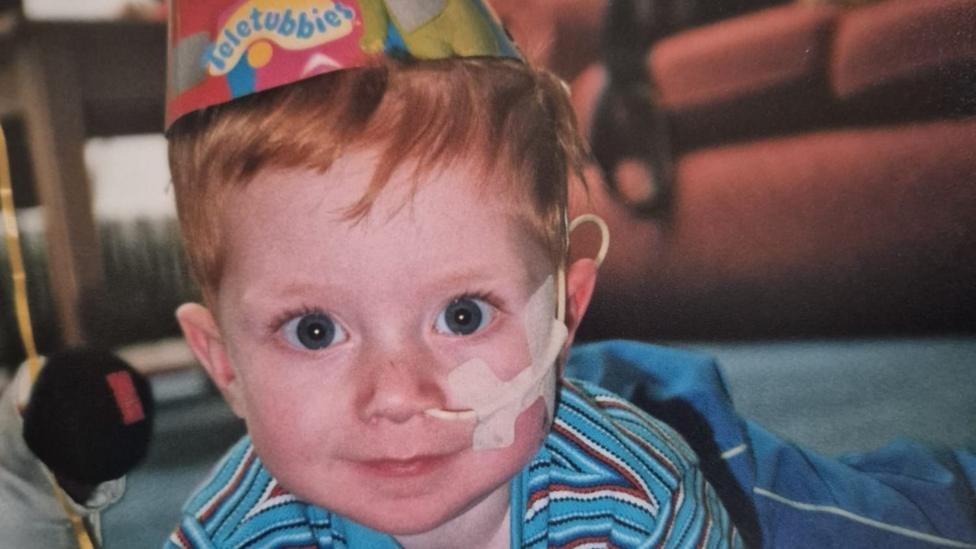
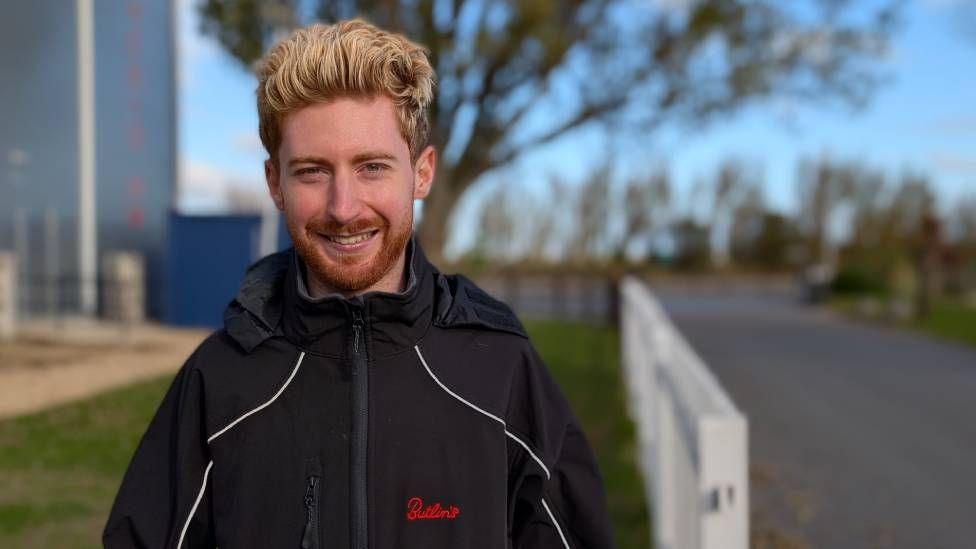
Rhys Evans was born with a rare genetic disorder that left him without a functioning immune system, facing a childhood confined to a protective isolation chamber. After receiving pioneering gene therapy at London's Great Ormond Street Hospital in 2001, he has since lived a full and active life, working as stage crew at Butlin's in Minehead, Somerset, and surviving Covid twice. According to BBC News, the 26-year-old was the first patient to receive the groundbreaking treatment, which has now saved the lives of more than 130 others.
Evans was born with x-linked severe combined immunodeficiency (XSCID), a condition that left him at constant risk of life-threatening infections. Without intervention, he would have faced the prospect of spending his entire existence isolated from the world, confined to a chair or sealed chamber, unable to interact with people or experience normal childhood activities.
"I would feel like I would be in prison,"he reflected on what his future might have held.
The only treatment options available to his parents in 2001 were chemotherapy or an extremely challenging bone marrow transplant. Evans experienced severe symptoms including weight loss, vomiting, chronic diarrhoea, and two bouts of pneumonia before his parents decided to pursue the experimental gene therapy route.
"Essentially my immune system wasn't functioning properly – I was so weak,"he recalled of his condition as an infant.
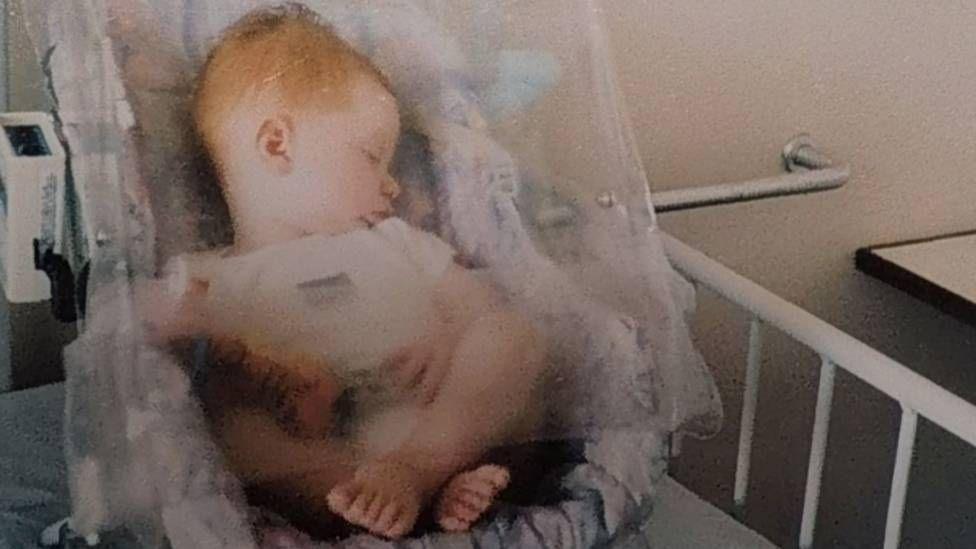
Evans spent most of his first year of life in a sealed isolation chamber, a room completely separated from everyone else. The environment was meticulously controlled, with filtered air that eliminated any risk of infection or viruses.
"The air was filtered - no infections, no viruses in the air,"he explained.
"And that was how it was until my parents signed a waiver saying they wanted this gene therapy."
How did the gene therapy work?
Professor Adrian Thrasher, who pioneered the therapy at Great Ormond Street, had spent 15 to 20 years developing the treatment in the laboratory alongside experts from the hospital. The procedure involved extracting 100 millilitres of Evans' bone marrow, inserting a new gene into the cells, and then reinjecting the modified marrow back into his body.
"Then we waited - we didn't do anything else,"Thrasher explained.
"[Evans'] own bone marrow regenerated his immune system with the new gene in it."
Within weeks of the treatment, Evans' immune system began to develop. Shortly after his second birthday, he contracted the flu—a significant milestone that tested whether the therapy had succeeded.
"That was a good test to see if [the treatment] had worked. I dealt with it OK and survived, so that was good news,"Evans said. The successful recovery demonstrated that his newly developed immune system could fight off genuine infections.
According to Great Ormond Street Hospital, the immune system began developing within weeks of treatment, and the hospital marked 25 years of gene therapy in July 2026, reporting that it had treated more than 135 children with rare, life-threatening conditions worldwide. The hospital's account names Professor Bobby Gaspar alongside Professor Thrasher as a pioneer of the therapy.
What is SCID and how rare is it?
SCID is the collective name for a group of rare inherited disorders that cause severe abnormalities of the immune system. The condition typically manifests in infants through unusually frequent infections, with coughs and colds appearing far more severe than in healthy babies. Affected children may also experience poor feeding, chronic diarrhoea, skin rashes, and failure to gain weight at a normal rate.
Before modern medical interventions became available, the vast majority of infants diagnosed with SCID did not survive beyond their first birthday. Today, the condition is estimated to affect approximately one in every 40,000 babies in England, translating to roughly 14 cases per year according to Great Ormond Street Hospital. Modern medicine now offers various treatment options to reduce the risk of serious infection or to cure the disorder entirely.
One of the most famous historical cases of SCID is that of David Vetter, nicknamed the "Bubble Boy," who was born in the United States in 1971. Within seconds of his birth, he was placed in an isolation chamber where he remained until age six, when he was fitted with a special plastic suit designed by NASA. Tragically, he died at age 12 following a failed bone marrow transplant, highlighting the severity of the condition before effective treatments emerged.
How has the treatment evolved since 2001?
Before Rhys's treatment in 2001, bone marrow transplant was the only treatment available for patients like him, according to Great Ormond Street Hospital. The gene therapy approach represented a revolutionary alternative that avoided the severe risks associated with traditional transplantation.
Since Evans became the first patient to receive the treatment, more than 130 others have benefited from the pioneering approach. The therapy has expanded beyond SCID to treat other serious conditions. Patients at Great Ormond Street have received gene therapy for various forms of SCID, as well as leukaemia, spinal muscular atrophy, and Leber's Congenital Amaurosis, an inherited disorder that causes children to lose their sight. Thanks to these developments, many people who previously had a life expectancy of only a few years are now able to live fully active lives.
However, the early treatment experience was not without complications. In 2010, the BBC reported that one of the first 10 children treated with the approach had developed leukaemia, highlighting a serious risk that was observed during the initial phase of the treatment programme. This discovery prompted refinements to the therapy to improve its safety profile.
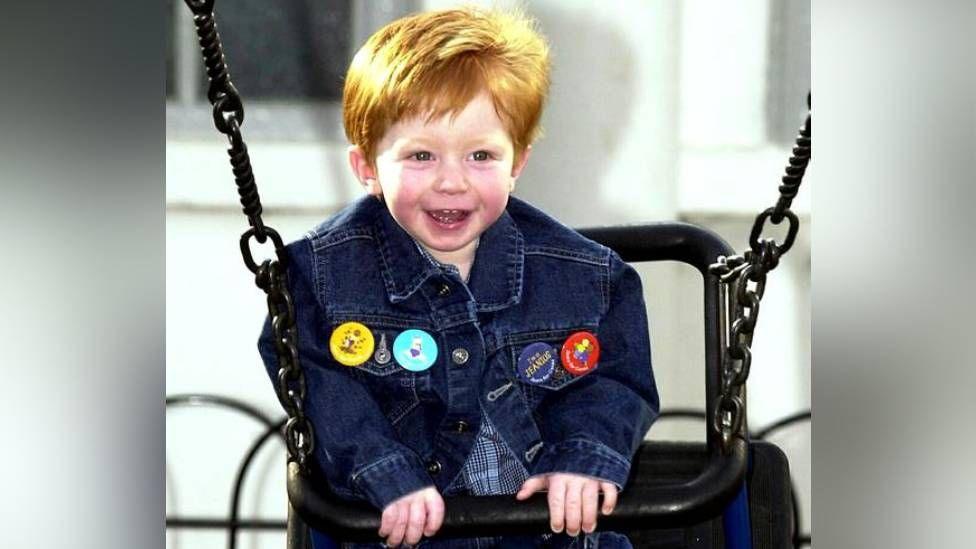
How has Evans' life changed since treatment?
Evans has gone on to live a life that would have been unimaginable before his treatment. He attended school and university, maintained friendships, and made plans for his future—experiences his family once could not take for granted.
"I've been able to live a normal life – go to school and university, see friends and plan for the future, things my family once couldn't take for granted,"he said.
His immune system has proven strong enough to overcome Covid on two separate occasions, and he believes he can now fight most viruses that would have been fatal to him as an untreated child. The only remaining indications of his childhood illness are a weekly antibiotic infusion and warts that have developed on his hands.
Evans expressed profound gratitude to the medical team who pioneered and administered his treatment.
"They've essentially given me life."He also feels considerable pride that the therapy he received more than two decades ago continues to save lives.
"I was the guinea pig, and because the treatment worked, they could treat many others,"he reflected.
"It's incredible to see how they've developed as people."
What do the pioneers say about Evans' outcome?
Professor Thrasher, who recently met with Evans at Great Ormond Street Hospital more than 25 years after performing his surgery, described it as
"fantastic"to see his former patient thriving. He emphasised that the team took considerable pride in having contributed to Evans living a healthy life. Thrasher also highlighted the importance of informed consent, noting that the treatment had not been promoted aggressively to Evans' parents but rather presented as one option among several available therapies.
"It's a very difficult concept to explain to a layperson that you're going to put a new gene into a bone marrow of your child who is dying,"Thrasher reflected on the challenge of discussing such an experimental procedure with families.
"As a doctor, the most important thing for me is that he's healthy."