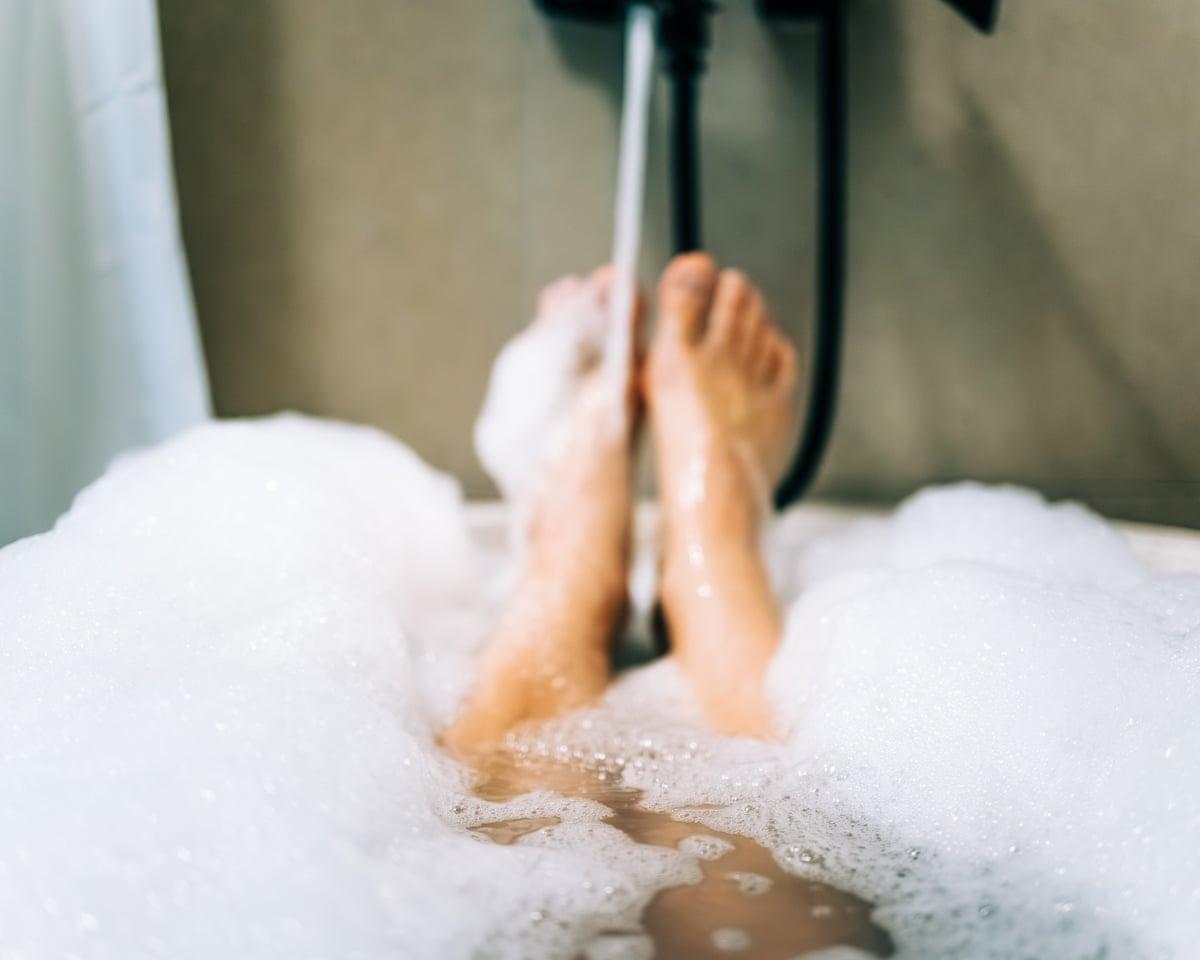
For centuries, immersion in hot water has been valued as a wellness practice, and now scientific evidence is backing up what ancient civilisations long suspected. According to The Guardian, researchers at Manchester Metropolitan University, funded by the British Heart Foundation, are investigating whether regular hot bathing can ease peripheral artery disease (PAD), a circulatory condition affecting the lower legs. The findings suggest that a simple soak at home may deliver comparable or superior health outcomes to expensive spa treatments, while also offering mental restoration in an era of digital overwhelm.
As wellness facilities proliferate and spa culture expands across the UK, many people overlook an accessible alternative already present in their homes. Most UK households have bathtubs, and bathing costs far less than professional spa sessions. Research indicates that hot water immersion may be more effective than saunas at reducing blood pressure and strengthening immune function. The trial at Manchester Metropolitan is examining whether this accessible therapy could transform treatment options for people living with PAD, a condition that affects about one in five people over 60 in the UK.
How does heat therapy improve circulation?
When core body temperature rises during a hot bath, blood is drawn toward the skin and away from internal organs, enhancing overall circulation. This mechanism is particularly beneficial for people with PAD, whose bodies struggle to deliver blood efficiently to the legs, but the cardiovascular benefits extend to most people. William Carey, one of the academics leading the trial, emphasises that this process supports general heart health, though he recommends consulting a GP before beginning heat therapy, especially for those with low blood pressure.
What results has the trial produced so far?
Ken Heywood, a 75-year-old from Stockport, participated in an eight-week heat-therapy trial after his PAD symptoms, initially diagnosed at age 38, deteriorated. He attended hot-tub sessions three times weekly, with water heated to 40°C—slightly warmer than typical hot tub settings. The sessions averaged about 40 minutes, with the protocol designed to build toward 60-minute soaks. Researchers assessed walking distance and pain, quality of life, blood pressure, vascular measures and blood markers at baseline, eight weeks and 16 weeks.
By trial's end, Heywood reported marked improvement.
"My blood pressure had got better, certainly my walking had got better,"he says. He surpassed his initial goal of completing daily dog walks without stopping to rest on benches, and climbed to the top of a steep hill in his local park—an incline that previously would have
"terrified"him. Since the trial concluded, Heywood has maintained three baths weekly at home alongside physiotherapy and exercise, and continues to experience positive effects. He describes bathing as
"the easy bit,"making its multiple benefits feel like
"a huge win."He notes that
"It's a lot easier than exercising on a treadmill."
What is the historical basis for bathing as medicine?
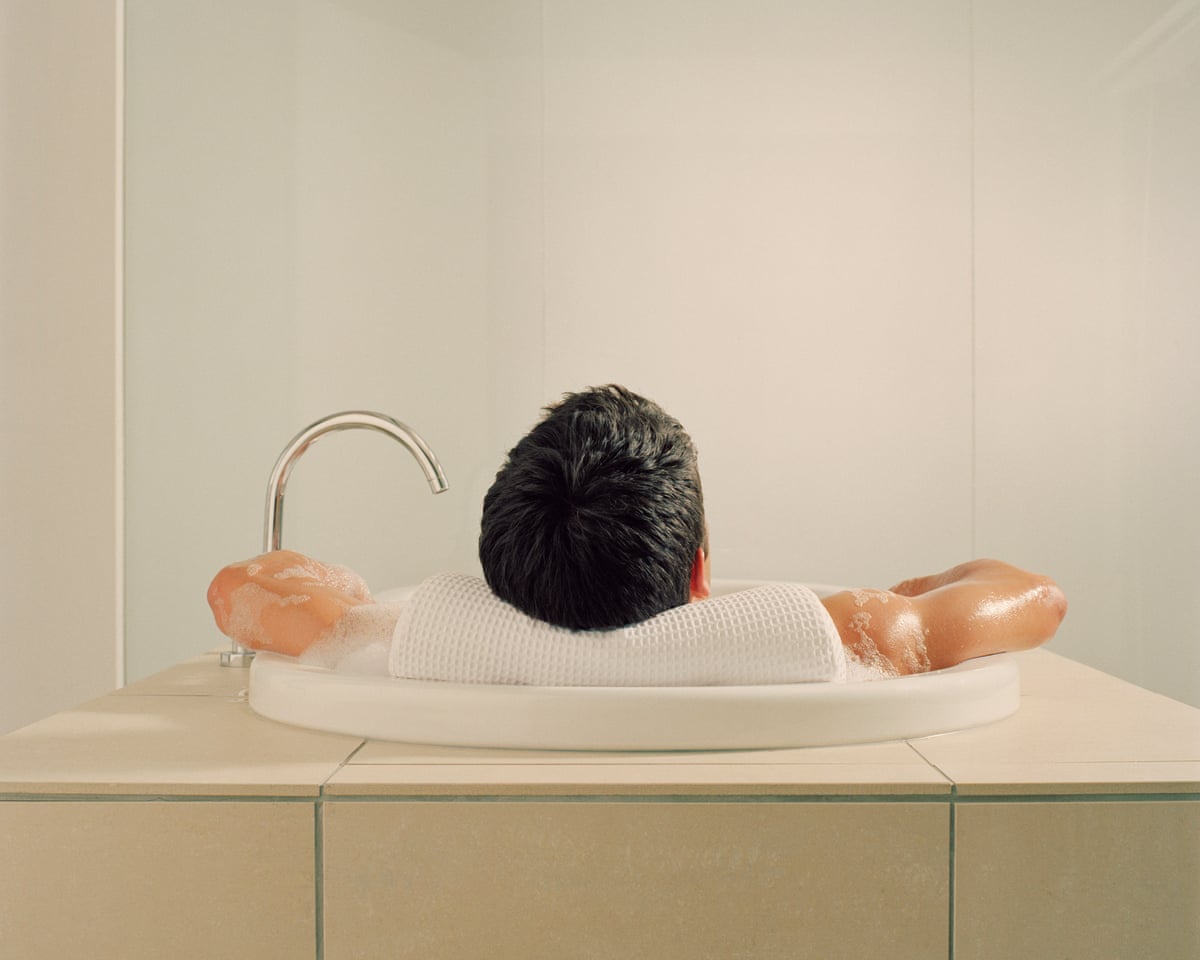
The therapeutic use of hot water traces back to ancient Greece and Rome, where bathing and spa treatments became embedded in medical practice. Between the fifth century BC and the 17th century AD, physicians practised "humorism," a medical system based on the theory that four vital body fluids—blood, phlegm, yellow bile and black bile—governed health. When these "humours" fell out of balance, illness resulted. Practitioners believed humours possessed qualities of heat or cold, moisture or dryness, and prescribed hot-water bathing to rebalance a patient's dry humours. According to this framework, immersion could treat conditions ranging from cataracts to arthritis.
When microbes were discovered in the 17th century, humorism was abandoned as a medical theory. However, doctors continued to observe that bathing relieved certain aches, pains and skin conditions. Medical historian and retired GP Roger Rolls acknowledges that some of this benefit may have stemmed from placebo effect, but evidence suggests genuine therapeutic value existed in the practice. He notes that
"quite a lot of hospitals have their own hydrotherapy department,"where immersion in water helps rehabilitate people with neuromuscular disorders—a modern echo of ancient wisdom.
What mental health benefits does bathing offer?
Beyond physical healing, hot baths provide psychological restoration. Grace Booth, a content creator who bathes four or five times weekly, describes bathing as essential respite from constant productivity demands.
"As a busy working mum, I rarely have time to myself, and I really struggle with feeling I should always be doing something productive. My mind can run away with me, so baths are my enforced relaxation time."Booth, who shares themed bath experiences with hundreds of thousands of followers on Instagram and TikTok, finds that after bathing,
"I feel so rested and re-centred."She observes that while parents invest considerable effort in calming bedtime routines for children, adults often neglect similar wind-down practices for themselves.
Heywood similarly discovered mental benefits alongside physical improvement. He describes the experience of
"lying there and just relaxing"as restorative, and plans to continue incorporating hot baths into his routine alongside increased exercise, both of which appear to be reducing his pain.
What is the scope of the current research?
The Manchester Metropolitan trial represents a rigorous investigation into heat therapy's potential. The HEATPAD study is a randomised trial comparing heat therapy with usual care, rather than simply observing bath use. The research addresses a significant treatment gap: some people with PAD cannot access or do not want supervised exercise programmes, while walking pain can make physical activity difficult. By offering an accessible, low-effort intervention, heat therapy could expand treatment options for a large population.
The trial plans to enrol 70 participants across its duration. The study is led by Professor Amy Harwood, with Dr Tom Cullen of the University of Hull as co-supervisor; vascular surgeon Adam Haque also serves as a co-supervisor. This multidisciplinary approach reflects the complexity of treating circulatory disease and the need for expertise spanning exercise physiology, vascular medicine and clinical research.
What happens next?
The HEATPAD trial's estimated completion date is 1 January 2028, meaning researchers will continue enrolling participants and collecting data over the coming months. Once the trial concludes, findings will inform whether heat therapy can be recommended as a standard treatment option for PAD patients, potentially transforming care pathways for thousands of people across the UK. Until then, the early results from participants like Heywood suggest that the humble hot bath—accessible, affordable and requiring no special equipment—may deserve a place alongside conventional medical interventions.