The number of women who died from alcohol-related illnesses in Scotland increased by 3% in 2025 compared with the previous year, according to official data, even as overall alcohol-specific deaths fell to their lowest level since the pandemic. According to BBC News, there were 1,152 alcohol-specific deaths registered across Scotland in 2025, representing a 3% decrease from 2024. However, the figures mask a troubling gender divide: National Records of Scotland recorded 394 female alcohol-specific deaths in 2025, up from 384 in 2024, while male deaths fell from 801 to 758 over the same period.
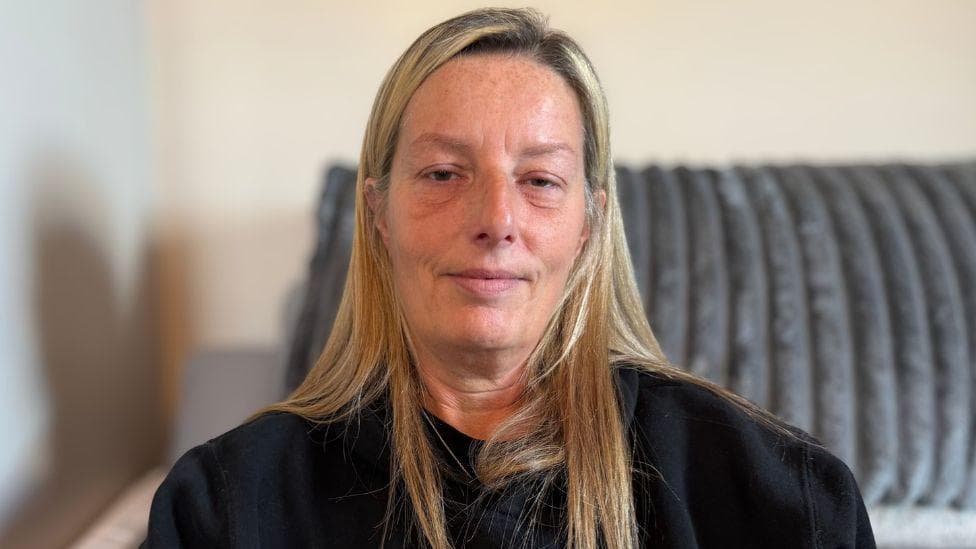
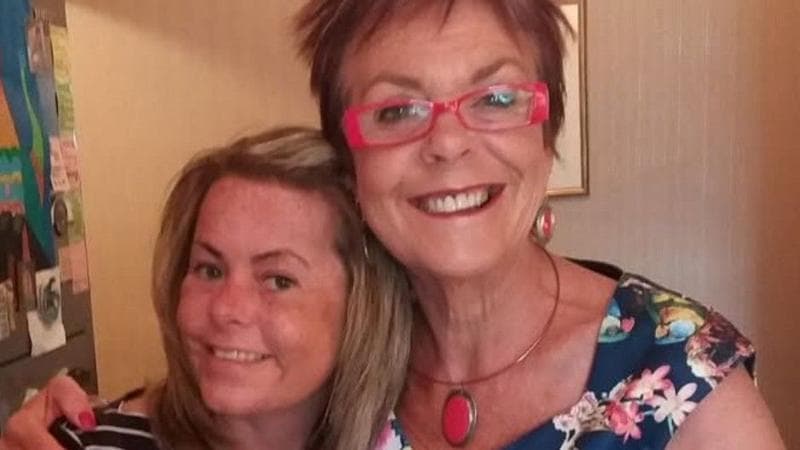
Paula Gibson, a 72-year-old from Aberdeen, has become an advocate for understanding the devastating impact of alcohol addiction after her daughter Clare died in November 2023 at age 45. Clare had spent the final two decades of her life cycling through periods of sobriety and relapse, ultimately dying alone at home from alcohol-related liver disease after reaching out to emergency services overnight. Gibson's account of her family's struggle illustrates how even access to extensive resources and professional intervention can prove insufficient against the grip of severe addiction.
The Scottish Government welcomed the overall decline in alcohol deaths and announced it would invest £160 million in 2025 on alcohol and drugs programmes. Yet the rise in female deaths has prompted concern among public health experts about the targeting of women by the alcohol industry and the particular barriers women face when seeking treatment.
How did Clare's addiction develop and escalate?
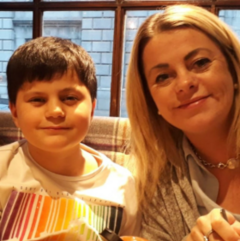
Clare began struggling with alcohol in her early twenties, and within a decade her behaviour had become increasingly erratic despite her parents' efforts to support her through conversation and intervention. The escalation of her addiction led Paula and her husband to assume custody of Clare's youngest son, Craig, when he was eight years old. Paula described the period as living "on a knife edge," uncertain what each phone call might bring or what crisis would unfold next.
As Clare's addiction deepened, maintaining relationships with her two sons became increasingly fraught. The family attempted to facilitate contact between the boys and their mother through family centres, but these meetings frequently ended in cancellation when Clare arrived intoxicated. Paula recalled the humiliation and distress of these encounters, describing instances when she would collect her daughter from her home only to find her falling into the car with a bottle of vodka in her bag. The unpredictability and chaos created by the addiction made it impossible for the boys to maintain a stable relationship with their mother.
What happened in the months before Clare's death?
The situation deteriorated sharply in the months preceding Clare's death. Clare entered a rehabilitation facility while her younger son and parents travelled to Greece for a holiday. During her hospital stay as part of the rehab programme, she was explicitly warned that if she did not change her lifestyle she would die. The family had been hopeful that this intervention would finally provide the breakthrough they had been seeking for two decades.
When Paula and her family returned from their holiday, they received a devastating phone call from a painter working at Clare's house. He had discovered her passed out drunk at the bottom of a flight of stairs. She had not completed the rehabilitation programme and had relapsed. Paula had to inform her grandsons that their mother had failed rehab and that they could not see her because she was intoxicated. This moment proved to be one of the most difficult of Paula's life, as the family's hopes for recovery had been shattered just as they seemed closest to realisation.
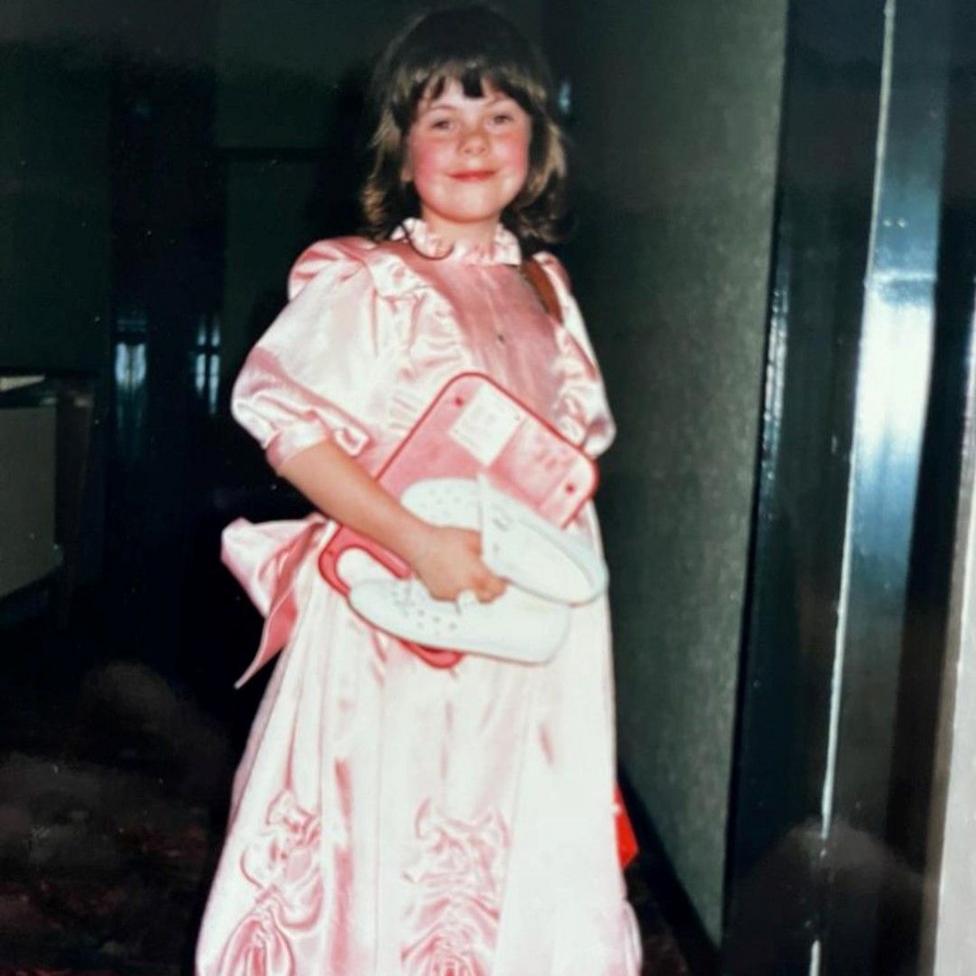
Within two months of this incident, Clare was dead. On the night she died, she had reached out to emergency services, but it was a social worker who discovered her the following morning. Her death was attributed to fatty liver disease, medically known as alcohol-related liver disease (ARLD), a condition in which the liver becomes progressively damaged by prolonged heavy alcohol consumption.
What was the emotional toll on the family?
Paula spent more than two decades supporting her daughter through her addiction, and she emphasised that despite having access to all available resources, sometimes those resources are simply not enough to overcome such a profound illness. She described the moment of learning of Clare's death with a complex mixture of emotions: relief that her daughter's suffering had finally ended, combined with the grief of losing her.
We spent so many decades living on edge and waiting for that phone call, so that when we found out Clare had died there was a sense of relief - she was finally at peace. The alcoholism is a self-fulfilling prophecy and a nasty cycle of horror for those in it and everyone around them. She was just like Jekyll and Hyde with a drink, that's the reality and it is hell.
Despite the devastation of her illness, Clare left a financial legacy to ensure that her children would be cared for after her death. Paula's account reveals the profound psychological and emotional burden that addiction places not only on the person struggling with it, but on their entire family network.
Why are women's alcohol deaths rising?
Scottish Health Action on Alcohol Problems has raised serious concerns about the diverging trends between men and women. The charity's chairman, Dr Alastair MacGilchrist, highlighted that the rise in female deaths follows years during which the alcohol industry has made deliberate efforts to expand its market among women through products, packaging, and marketing campaigns designed to appeal specifically to female consumers. These campaigns frequently link alcohol consumption with wellbeing, celebration, and empowerment.
Beyond industry marketing, Scotland's 2026–2035 Alcohol and Drugs Strategic Plan identifies stigma, discrimination, gender-based violence, and concerns around parenthood as barriers women may face when seeking substance-use treatment and support. These structural and social obstacles create additional challenges for women attempting to access help, potentially contributing to worse outcomes.
What do the latest statistics reveal about inequality?
The overall decline in alcohol-specific deaths masks a stark picture of health inequality across Scotland. The age-adjusted alcohol-specific death rate in Scotland was 20.2 per 100,000 people in 2025, down 3% from the previous year. However, Dr MacGilchrist emphasised that people living in Scotland's most deprived areas are now 4.8 times more likely to die from alcohol than those in the least deprived areas—a disparity that reflects broader patterns of health inequality in the country.
MacGilchrist also noted that alcohol deaths rose sharply during the COVID-19 pandemic and have been slow to decline since. Despite the recent improvement, deaths remain higher than they were before the pandemic began, indicating that the crisis has not fully resolved. He stressed that accepting this elevated baseline as normal would be unacceptable and called for urgent action to address the underlying drivers of alcohol-related harm.
What action is planned?
The Scottish Government's commitment to investing £160 million in alcohol and drugs programmes reflects recognition of the scale of the problem. Looking ahead, the Scottish Government's strategic plan indicates that an alcohol-harm prevention action plan targeting alcohol's attractiveness, affordability and availability is due to be published later in 2026. This plan is expected to address the factors that make alcohol consumption appealing and accessible, particularly to vulnerable populations including women.
Key Facts
- Female alcohol-specific deaths in Scotland rose to 394 in 2025, up from 384 in 2024, while male deaths declined from 801 to 758
- Overall alcohol-specific deaths fell 3% to 1,152 in 2025, the lowest rate since the COVID-19 pandemic began
- People in Scotland's most deprived areas are 4.8 times more likely to die from alcohol-related causes than those in the least deprived areas
- Clare Gibson spent 20 years struggling with addiction despite access to rehabilitation facilities and family support before dying from alcohol-related liver disease in November 2023
- The Scottish Government is investing £160 million in alcohol and drugs programmes, with a new harm-prevention action plan expected later in 2026