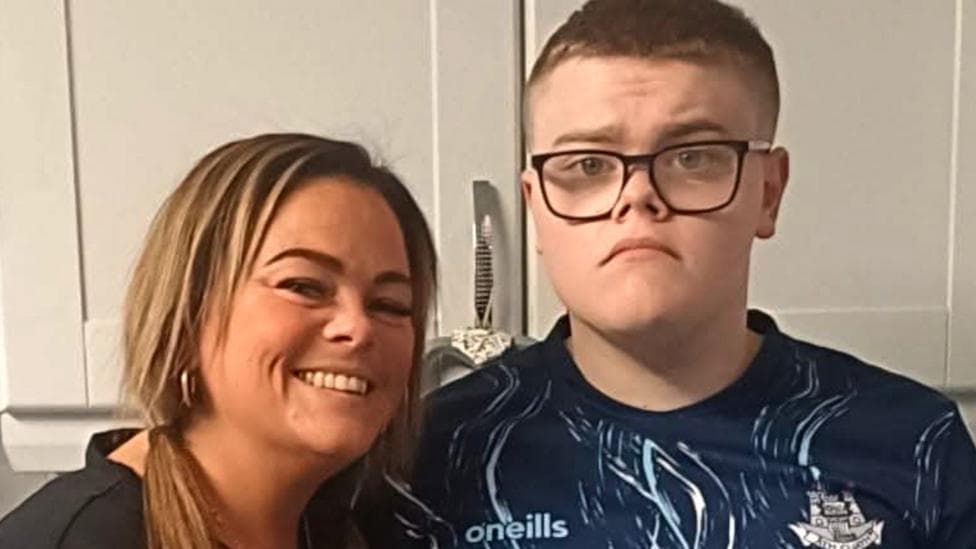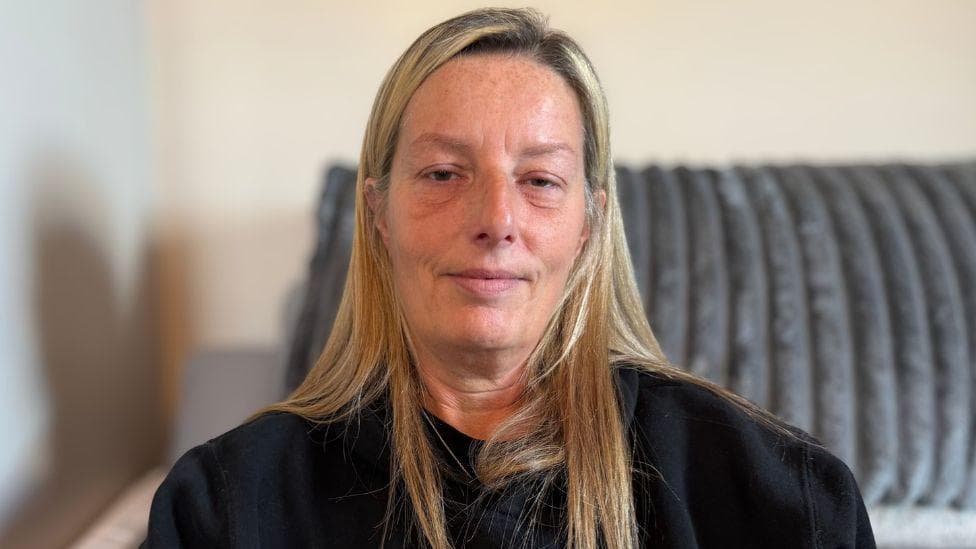
Jill Kenning, a woman living with multiple sclerosis, has described experiencing constant agony in her eye—a sensation she likened to being "stabbed with a hot poker"—after becoming unable to access Nabilone, a medication she has relied on for 17 of her 18 years since diagnosis. According to BBC News, the drug shortage has affected supplies across the UK, with wholesalers reporting stock depletion and no anticipated availability until December. Kenning has spent most of her time confined to bed since her supply ran out last Tuesday, and alternative medications prescribed by her neurologist have proven ineffective in managing her symptoms.
Northern Ireland's devolved health department confirmed that disruption to Nabilone supplies has created a UK-wide shortage, though officials declined to disclose the cause, citing "commercially sensitive" information. The shortage began affecting 1mg capsules in July, with the 0.25mg strength becoming unavailable more recently. Healthcare authorities are working to manage the disruption and have issued guidance to medical professionals on alternative treatments, including unlicensed imports of Nabilone where available.
The broader context of medicine supply challenges in the UK has grown more acute throughout 2026. According to industry reference guide MIMS, the average number of drugs in short supply has trended upward this year, with the figure reaching 157 drugs this week—a significant increase from a low of 107 in January. This widening shortage crisis reflects systemic pressures on the pharmaceutical supply chain affecting patients across multiple therapeutic areas.
How has Nabilone helped Kenning manage her condition?
Nabilone has been transformative for Kenning's quality of life since she was prescribed it following a severe MS relapse that required a four-week hospital stay. The medication enabled her to perform basic daily functions that would otherwise be impossible due to pain. "It helps me basically that I can get out of bed in the morning," she explained, underscoring how central the drug has been to her ability to maintain any semblance of normal functioning.
Kenning was diagnosed with MS in 2008 after experiencing vision problems and subsequently developed numbness down the left side of her body, requiring treatment from a neurologist. The disease affects the nerves in the brain and spinal cord by damaging myelin, the protein that insulates these nerves and allows signals from the brain to reach the rest of the body. When the immune system mistakenly attacks myelin, signals struggle to transmit properly, resulting in the wide range of symptoms Kenning experiences.
What has happened since Kenning ran out of medication?
Since her supply ended, Kenning's health has deteriorated markedly. She was prescribed alternative medications by her neurologist, but these have not provided adequate pain relief. Her condition worsened to the point where she required a several-night hospital stay, and she has become increasingly dependent on painkillers while struggling with insomnia, nausea, and loss of appetite. The psychological toll has been severe: "I don't want to be here any more because the pain is so bad," she said, describing her desperation and the difficulty of articulating the intensity of her suffering.
Kenning has expressed frustration that patients were not adequately prepared for the supply disruption. She has become an advocate not only for her own situation but for all patients affected by the shortage, asking rhetorically: "How do I live my life? How do I cope with the pain? I'm not only fighting for me, I'm fighting for all the other patients that are on this drug."
What do health authorities say about the shortage?
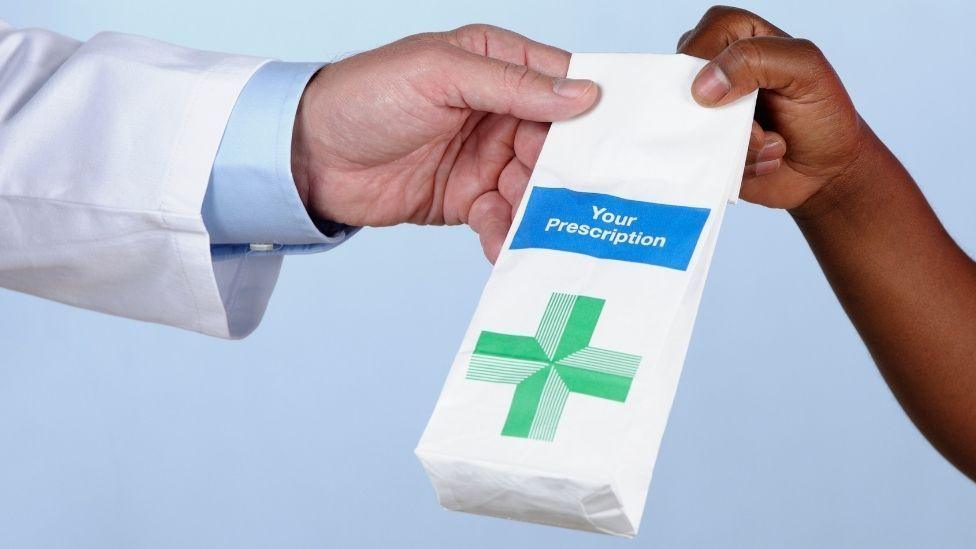
Northern Ireland's Department of Health stated that both licensed doses of Nabilone are out of stock from wholesalers across the UK. The department confirmed it is working with the UK's Department of Health and Social Care and health trusts to manage the disruption. A spokesperson acknowledged that "medicine supply disruptions can be concerning for patients and the healthcare professionals who care for them" and advised patients unable to access their prescribed medication to speak with their specialist healthcare teams about treatment alternatives.
According to regulatory guidance, the Department of Health and Social Care classified the 1mg capsule shortage as a Tier 2, medium-impact medicine supply notification. At the time of that classification, the 0.25mg capsules remained available and unlicensed 1mg imports were possible, though lead times varied.
What is the wider context of medicine shortages in the UK?
The Nabilone shortage is part of a larger pattern of pharmaceutical supply disruption affecting the UK healthcare system. Data from MIMS shows that the number of drugs experiencing supply problems has grown substantially in 2026, rising from 107 in January to 157 by this week. This upward trend reflects mounting pressure on supply chains and manufacturing capacity, affecting patients with diverse medical conditions requiring consistent access to essential medications.
The shortage crisis extends beyond MS treatments. A July 2026 UK medicine-supply notice reported that 1mg nabilone capsules were out of stock, with resupply anticipated at the end of August 2026, though available results do not confirm whether that resupply occurred as scheduled. Other therapeutic areas have experienced similar disruptions; for instance, women have faced persistent HRT medication shortages affecting patches such as Estradot and FemSeven Conti, with supply problems expected to continue for an extended period.
What happens next for patients like Kenning?
Kenning and other patients dependent on Nabilone remain in a precarious situation as they await the anticipated December resupply. In the interim, healthcare professionals have been directed to offer alternative treatments and, where possible, to facilitate unlicensed imports of the medication. However, the effectiveness of these alternatives varies significantly among patients, and the psychological and physical toll of managing chronic pain without established, effective medication continues to mount for those affected by the shortage.