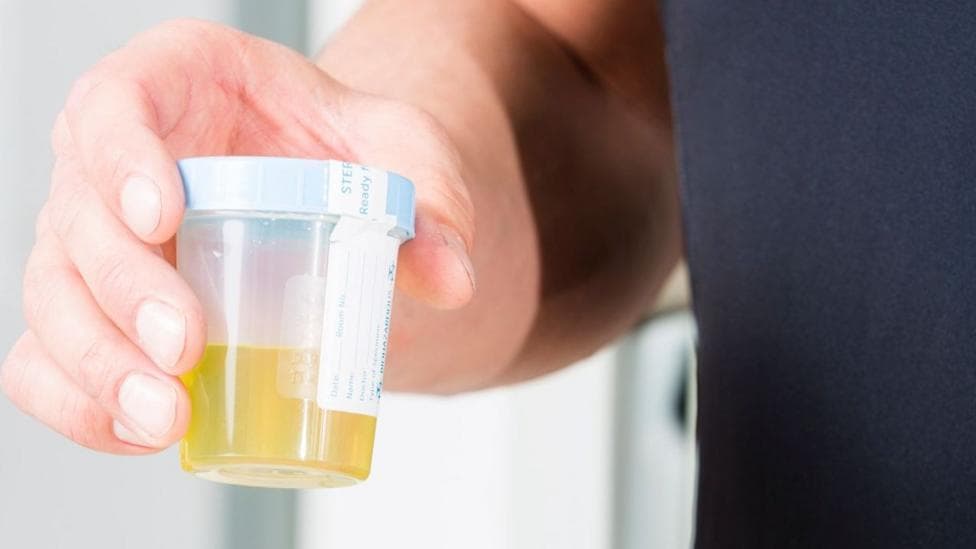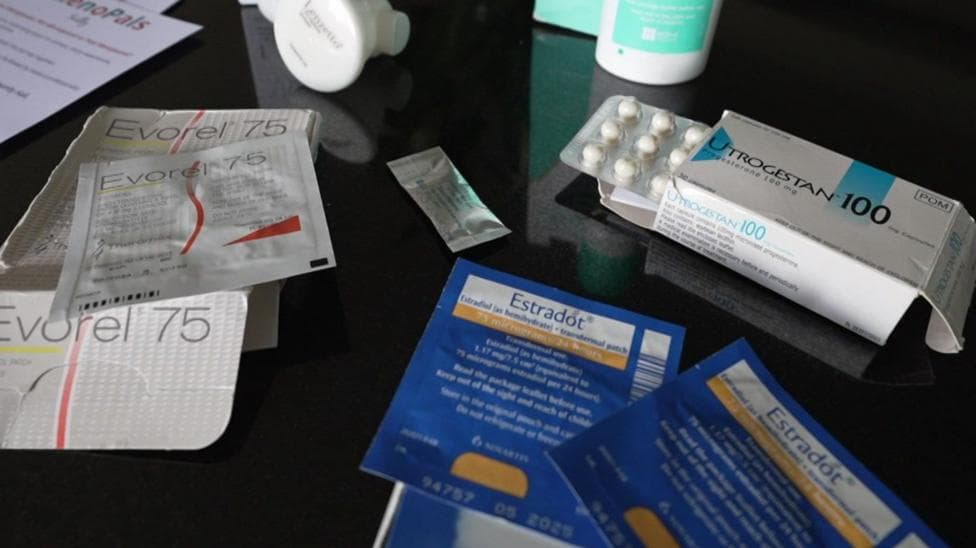
Some post-menopausal women in Wales are obtaining testosterone from online pharmacies by posing as men, driven by inconsistent access to NHS prescriptions across different health boards, according to menopause specialists interviewed by a national broadcaster.
The practice reflects a wider problem: while testosterone referrals to the NHS for post-menopausal women have surged sharply in recent years, the availability and ease of obtaining it varies significantly depending on where patients live. Dr Michelle Olver, a consultant in sexual and reproductive health, has documented cases of women with testosterone levels up to 12 times the safe threshold—a consequence of unmonitored online purchases that can cause permanent physical changes.
Testosterone is sometimes prescribed to post-menopausal women who are already taking other forms of hormone replacement therapy but continue to experience symptoms such as reduced libido. While evidence supports its effectiveness for this specific symptom, many women also report improvements in energy and mental clarity, though these claims remain under investigation.
Why are women turning to online sources?
Women are resorting to online pharmacies because many NHS GPs either lack confidence in prescribing testosterone off-licence or refuse to do so altogether. One woman described to a national broadcaster how she was prescribed testosterone by her NHS GP, but when she relocated to a neighbouring health board area, her new surgery declined to continue her prescriptions. After paying for a private consultation, prescription, and blood tests to establish safe levels, she subsequently completed a questionnaire for an online pharmacy while falsely identifying as male to obtain the hormone at a fraction of the cost.
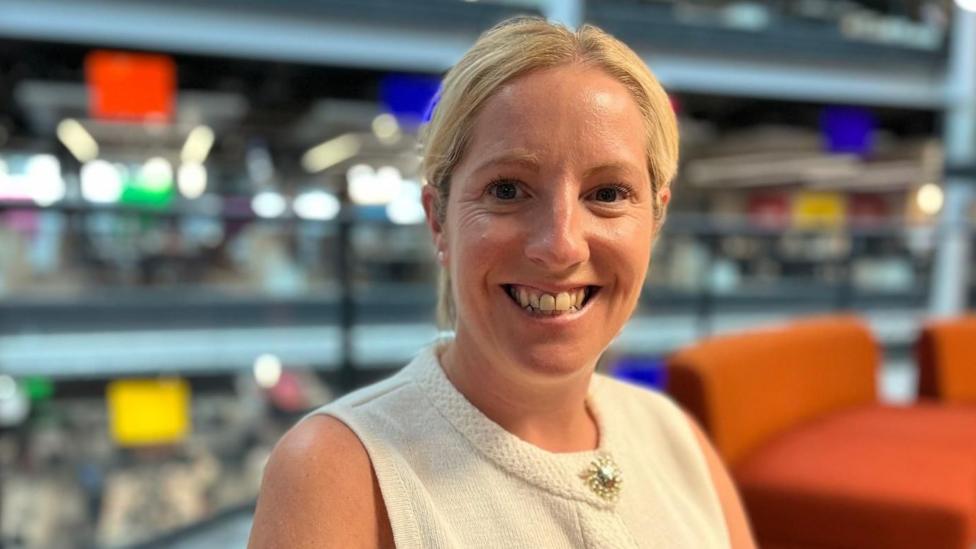
Emma Thomas, co-founder of menopause support group Menopals Cardiff and Vale, reported that many members struggle to access testosterone through the NHS.
We hear a lot of women saying their GP thinks there's no need for it or their surgery won't prescribe it, she said. Thomas, 59, from Sully in Vale of Glamorgan, described her own experience: at 47, she transitioned from being
a really sociable, happy personto feeling
quite insecure, paranoid, low in mood. Standard hormone replacement therapy helped within 10 days, but once her dosage stabilised, her GP prescribed testosterone. After approximately six months, she noticed a significant shift.
It was the final piece of the puzzle for me. I feel like my old self - I've got a zest for life, she explained.
What are the health risks of unmonitored use?
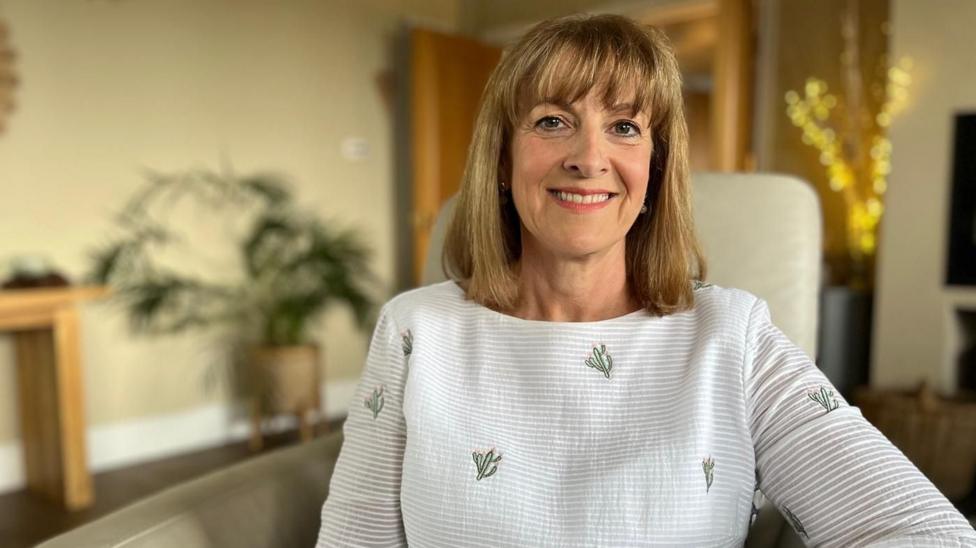
Dr Olver emphasised the dangers of high testosterone levels without medical supervision.
When you persistently have very high testosterone levels you can get undesirable permanent side effects, she warned.
Nobody wants to have baldness, deepening of the voice or enlargement of the clitoris. She stressed the importance of maintaining women within the female physiological range for the hormone and described it as
incredibly sadto witness women lying to obtain medication they feel denied access to, while stressing that proper counselling and monitoring are essential.
According to NHS guidance in England, testosterone for menopause is typically considered only for post-menopausal women with low sex drive when hormone replacement therapy alone has not provided relief. Women are advised to undergo a baseline blood test and regular monitoring to ensure they remain within the female range for the hormone.
How does access vary across Wales?
Each of Wales's seven health boards operates under a traffic light system that determines how testosterone can be prescribed. Some health boards are classified as red, meaning only specialists can prescribe the drug. Two amber options exist: one allows a GP to request support or agreement from a hospital specialist that testosterone is appropriate for a patient, while the second requires the hospital specialist to initiate and monitor the prescription under a shared care agreement, with GPs continuing to supply it thereafter.
Dr Rebeccah Tomlinson, a GP who runs an NHS menopause clinic within a hospital gynaecology department and trains other GPs to become menopause specialists, explained that some doctors are reluctant to prescribe off-licence medications or rely on colleagues specialising in women's health to manage testosterone requests.
Sometimes that's deemed unfair in the practice so a total ban of prescribing testosterone can happen so that the workload is fairer, she noted.
That moves the onus for prescribing onto secondary care, she added, explaining that women then end up on gynaecology waiting lists.
It's a postcode lottery and very dependent on the practice and the clinician, but you can hit barriers along the way. She highlighted the frustration women experience when they know others with identical symptoms who have accessed testosterone without difficulty.
There is no consistency across the board unfortunately, she concluded.


Dr Olver, who runs the menopause clinic at Aneurin Bevan health board, confirmed that
we have definitely seen a very sharp increase in testosterone referrals from primary care - for women wanting to access it.
It is difficult to meet demand and we have a testosterone clinic set up now for women who want to trial it, she said.
What do women say about their experiences?
Not all women find testosterone beneficial. Emma Jones, 57, noticed her energy levels increase within a week of taking the drug but also felt
jittery and on edge.
I felt like I'd changed into the body of an 18-year-old, thinking about sex from the moment I woke up, she laughed. Despite testosterone proving unsuitable for her personally, Jones strongly believes women should have access to different types of hormone replacement therapy to discover what works for them. Specialists and women who have used testosterone agree it is not a universal solution and would not be appropriate for everyone.
Why is there a licensing problem?
One of the primary reasons for inconsistent access across Wales is the absence of a licensed testosterone product for women on the NHS. Currently, the male product is prescribed at far lower doses because no female-specific formulation is officially approved for this indication in the UK. A female testosterone product has been available in other countries for many years and is obtainable from private clinics across the UK.
According to recent reporting, the female product Androfeme costs the NHS approximately £100, while the male product Testogel costs around £30. Dr Olver explained that a female testosterone product has now achieved a licence in the UK but still requires appraisal by NICE to determine cost-effectiveness for NHS use, after which discussions with the pharmaceutical industry about pricing would be necessary. Industry guidance indicates that Androfeme received UK marketing authorisation contingent on pump-pack availability expected in 2026.
What does the evidence show about effectiveness?
Dr Olver noted that
studies show about 60% of women will find benefit in improving their libido. However, she cautioned against overstating testosterone's role.
It's really important to manage expectations, because it's not this wonder drug that sometimes it's made out to be on social media, she said.
There's lots of reasons why women don't want to be intimate - some of those will be external factors, some will be anatomical. So it's really important to be fully counselled on what to expect when using testosterone, but also the limitations of its use.
A study is currently underway in Wales to investigate whether anecdotal reports of improved cognition and energy from testosterone use can be scientifically validated. According to prescribing guidelines from primary care pathways, when testosterone is initiated following specialist advice, typical dosing ranges from 3–10mg daily with ongoing monitoring required.
What are the waiting times for specialist assessment?
Women referred for testosterone assessment may face substantial delays. According to local NHS guidance, women referred to complex menopause clinics may experience waiting periods of 6–12 months before specialist evaluation and initiation of treatment, contributing to the appeal of unmonitored online sources.
What is the Welsh government's position?
The Welsh government stated:
All health boards are expected to adhere to the NICE guidelines on identification and management of menopause including providing individualised care when prescribing HRT. We are aware this may include some practitioners prescribing testosterone for some women. We expect all health boards to conform to any recommendation made by NICE in relation to prescribing testosterone when its guidance is published.
What needs to change?
Dr Olver called for an equitable all-Wales approach to testosterone prescribing that would standardise access and reduce the postcode lottery currently affecting women seeking treatment. Dr Tomlinson suggested that the availability of a licensed female testosterone product
could shift the narrativeand encourage more GPs to prescribe it, as the current off-licence status creates hesitation among some practitioners.
The situation mirrors broader challenges within the Welsh NHS. Earlier reporting documented how long NHS waiting lists for weight management services have driven people in Wales to private weight loss injections, with some patients facing waits of up to 10 years, illustrating a pattern where NHS access barriers push patients toward private and potentially unregulated alternatives.
Key facts
- Testosterone is prescribed off-licence to post-menopausal women for reduced libido when standard hormone replacement therapy alone is insufficient, though no female-specific formulation is currently licensed for this use in the UK
- Wales's seven health boards use different prescribing pathways, with some restricting testosterone to specialist prescription only, creating inconsistent access depending on location
- Dr Michelle Olver has documented cases of women with testosterone levels up to 12 times the safe threshold due to unmonitored online purchases, risking permanent side effects including voice deepening, baldness, and clitoral enlargement
- Studies indicate approximately 60% of women experience improved libido with testosterone, but specialists emphasise it is not effective for all women and requires proper counselling and regular blood monitoring
- A licensed female testosterone product has achieved UK approval and awaits NICE appraisal to determine NHS cost-effectiveness, with industry guidance indicating pump-pack availability expected in 2026