The Royal College of Midwives (RCM) has expressed alarm at the prospect of two maternity units closing in Norfolk, which could leave the Norfolk and Norwich University Hospital as the county's sole maternity facility. According to BBC News, the Norfolk and Waveney University Hospitals Group (NWUHG) has outlined a "Case for Change" examining how services could be restructured, though the organisation has stressed that no decisions have been made and no formal consultation has begun.
Norfolk currently operates maternity units at three hospitals: Norwich, Gorleston and King's Lynn. The latter two also serve patients from Cambridgeshire and Suffolk, meaning any closure would affect women across a wider region. The RCM has warned that removing services from hospitals serving rural and isolated communities could force women in labour to travel what it describes as "unacceptable distances" to reach alternative facilities.
The union posted on social media that local maternity services should receive investment rather than face cuts. The RCM further cautioned that if maternity services were withdrawn, neonatal units and children's inpatient wards would also close because these services are interdependent. The union argued the proposals risked deepening existing inequalities in maternity outcomes and said the solution lay in increased funding and staffing, not allowing services to "shrink".
What are the possible scenarios?
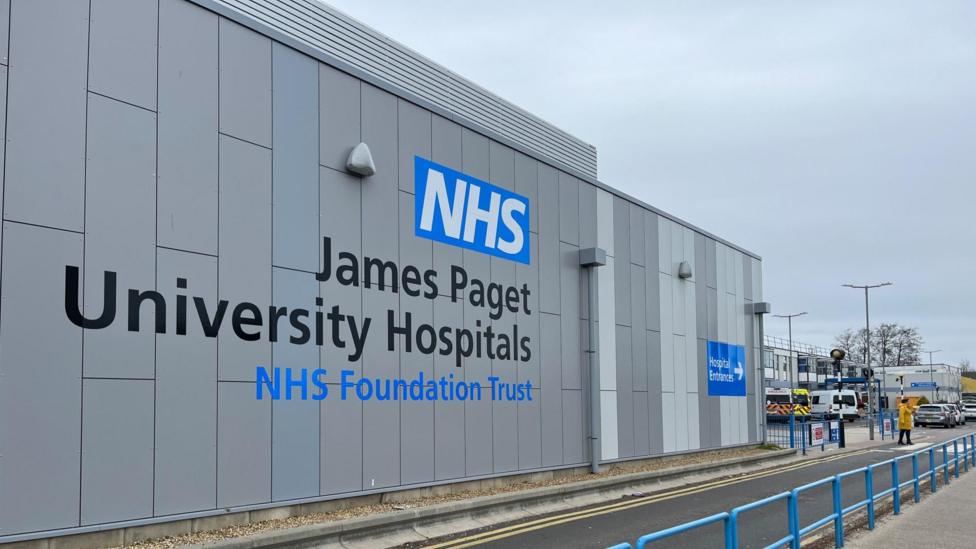
The hospital group has examined three options for how services could be delivered: maintaining maternity units at all three hospitals, consolidating at two sites, or concentrating services at a single location. The options under consideration include closing consultant-led maternity units at the James Paget Hospital in Gorleston, the Queen Elizabeth Hospital in King's Lynn, or both. The NWUHG has emphasised that these remain scenarios for assessment rather than formal proposals, and that any move to concentrate services would be justified on the grounds of providing safer care for women and babies.
On 2 November, the hospital group's board agreed there was a case for change and supported further assessment, determining that maternity, neonatal and children's services required more detailed review. The clinical work that informed this decision involved 60 clinicians who helped develop the review.
Who would be affected by closures?
The impact would extend beyond Norfolk's borders. Women in Lowestoft and north Suffolk who currently give birth in Gorleston, as well as those in Wisbech and north-east Cambridgeshire who travel to King's Lynn, would all face disruption. Documents show that some women who would currently give birth in Gorleston would face a two-hour public transport journey to reach alternative hospitals. The RCM warned that such closures could also result in midwives being redeployed further from home, potentially affecting workforce retention and morale.
What is driving the review?
The Case for Change argues that falling birth rates, workforce shortages and increasing numbers of women requiring more complex care are making it harder to sustain specialist services at every site. This concern reflects a broader pattern across the NHS. The RCM's wider October warning followed an NHS Alliance suggestion that up to 20 of England's 155 consultant-led maternity units might need to close or change role.
The review comes as maternity services across the country face mounting pressure. NHS leaders have declared maternity care organisation "not fit for purpose", warning of safety risks and potential closures of smaller units. In Devon, the situation has become acute: maternity services at North Devon District Hospital remain suspended due to staffing shortages, forcing expectant mothers to travel 53 miles to Exeter. The trust is working to recruit staff and plans further readiness assessments before reopening.
Lesley Dwyer, NWUHG chief executive and a former midwife, has previously told the BBC that the review represents one of the most significant pieces of work undertaken by the organisation and aims to make services sustainable in the long term.
The scenarios examined so far are a starting point for further assessment, not formal proposals. No preferred approach has been identified and no decision has been made to close or relocate these services. Patient safety must remain at the centre of this work. We also need to understand what different approaches could mean for choice, travel, access and the experiences of women, babies, children and families.
What happens next?
On 4 November, the NHS Norfolk and Suffolk Integrated Care Board agreed to commission a Pre-Consultation Business Case examining options for hospital services; it did not approve any closures or select a preferred option. The business case will assess clinical safety and outcomes, workforce needs, travel and access, health inequalities, affordability, and practical effects on patients, communities and staff.
The completed Pre-Consultation Business Case will return to the ICB Board for a separate decision before any formal public consultation takes place. The ICB said it would provide more detailed timescales at its next board meeting. The Case for Change will now be submitted to NHS England before further research and any public consultation occurs.
The timing of any changes could have implications for other hospital developments in the region. The new Queen Elizabeth Hospital could open as late as 2035 under the worst-case programme scenario; the report cited possible revised business-case submission dates ranging from April to September 2028.
The RCM has called for investment and more staffing rather than service reductions, arguing in a statement that
women and babies deserve safe, local care, and closing units is not the answer.