Private Weight Loss Injections Rise Amid Lengthy NHS Waiting Lists in Wales
Individuals seeking weight loss injections on the NHS are increasingly turning to private options as waiting times for weight management services extend up to 10 years in some parts of Wales.
Waiting times have doubled at two of Wales' seven health boards and quadrupled at one.
Hannah Long, 34, who has polycystic ovary syndrome (PCOS) affecting her weight since her early teens, experienced this firsthand. In the Cwm Taf Morgannwg health board, waiting lists grew from 1,604 people in March 2024 to 3,146 in March 2025. Facing a minimum two-year wait, Hannah chose to purchase Mounjaro privately in October 2025, resulting in a four-stone weight loss over six months.
The Welsh government stated it is exploring alternative prescribing options for weight loss medication.
While Mounjaro prescriptions became available at GP surgeries in England in June 2025, in Wales the medication is only accessible through specialist weight management services or for patients awaiting urgent surgery on the NHS.
These injections act as appetite suppressants, helping individuals feel fuller. Mounjaro additionally influences metabolism and regulates energy balance.
The Welsh government estimates approximately 186,000 people meet eligibility criteria for weight loss injections, with over 60% of adults classified as overweight or obese.
Diagnosed with PCOS at 25, Hannah from Aberdare, Rhondda Cynon Taf, was prescribed various progesterone medications that caused her weight to increase from a size 16 to 20 within a year.
She attempted multiple weight management methods over the years and was eager to try weight loss injections when informed they would be available via the NHS. However, after being told to expect a two-year wait, she purchased Mounjaro through an online pharmacy but expressed concerns about the lack of medical supervision.
"A lot of people I know on Mounjaro are on waiting lists for the NHS," she said. "I don't want to be on a drug that isn't monitored by a doctor. I don't want to go any higher with my dosage without doctor supervision as I don't feel like that's safe."
Hannah’s weight dropped from 18st 8lb (118kg) to 14st 7lb (92kg), and she noted that most of her knowledge about the injections came from personal research.
"All these online pharmacies, the only thing they ask you is how much have you lost in this period," she said.
She stated that long-term private treatment is not financially sustainable, having spent £1,000 in six months, and highlighted the significant disparity between England and Wales regarding waiting times and GP prescribing capabilities.
"There is no improvement in wait lists for any services in Wales... there is something wrong with Welsh NHS where there is no funding to help," she added.
Hannah was eventually seen by a weight management service after a nine-month wait from her initial referral in June 2025, prompted by a diagnosis of sleep apnoea suspected to be weight-related.
Despite this referral, NHS weight management medication consideration requires completion of at least 12 weeks of "active intervention" involving diet and exercise.
Welsh government guidelines specify that injectable weight loss medications can only be prescribed through level three specialist weight management services.
Referral criteria for this service include a BMI over 40 (or 37.5 for ethnic minority groups), at least one weight-related condition such as high blood pressure, high cholesterol, sleep apnoea, or severe arthritis, and completion of a level two weight management program.
The service offers personalized diet, exercise, and psychological support for adults with obesity or complex weight-related health issues.
Waiting Lists for Weight Loss Assistance
The Welsh government is considering future arrangements, including primary care involvement, with further decisions on weight loss medication deployment to be made as the clinical pathway evolves.
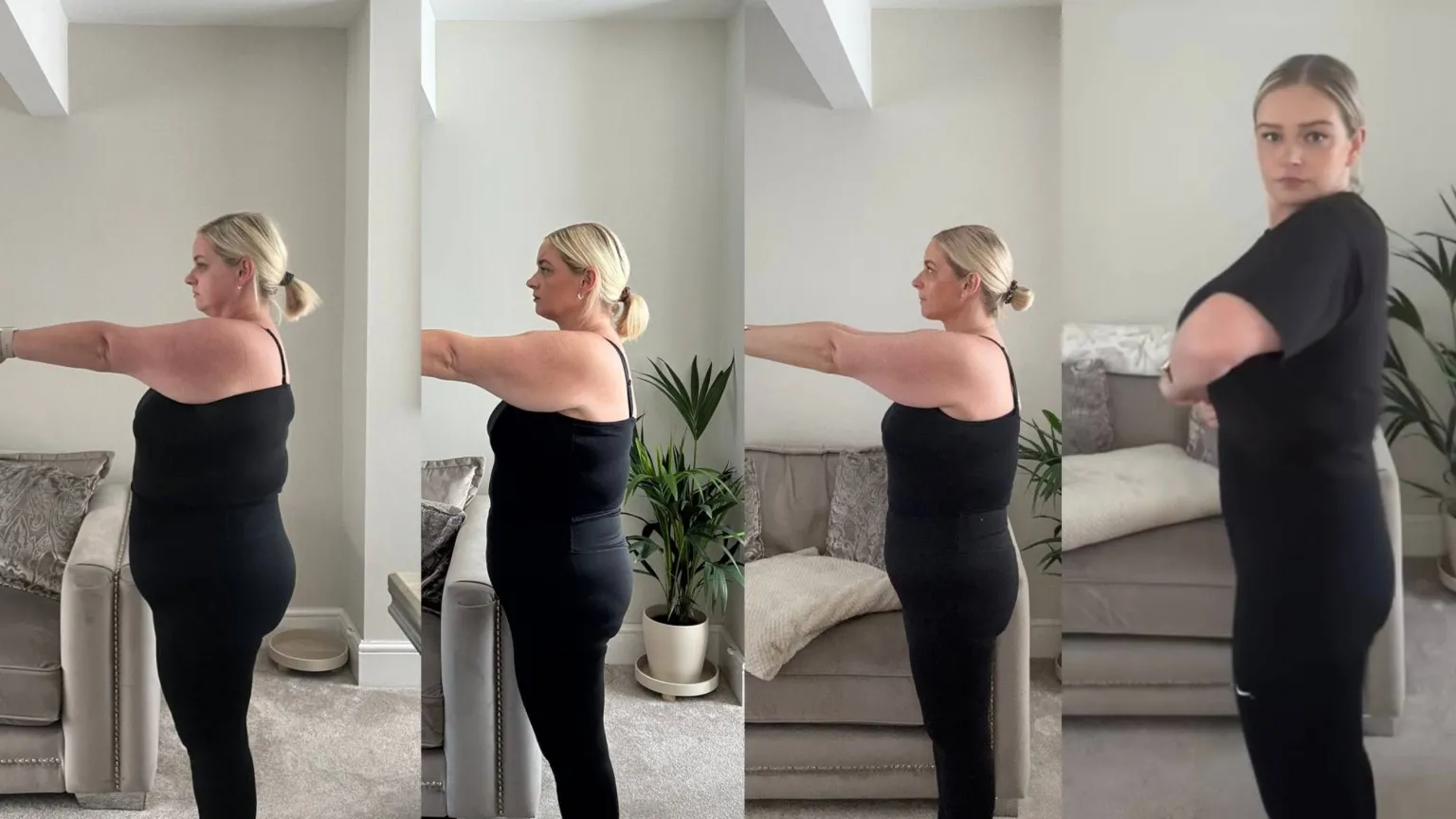
Rachel Bevan, 40, from Bridgend, began using Mounjaro in June 2024 after years of dieting and envisions long-term use.

Despite a BMI over 45, Rachel said she would not have qualified for NHS treatment and now purchases the medication through an online pharmacy.
"I was really unhappy, quite depressed with my weight,"said Rachel, who weighed 16st 8lb (106kg) at the start of her weight loss journey.
The mother of two initially considered the allurion gastric balloon, also known as the gastric 'pill' balloon, but was concerned about the cost and whether it was too drastic a step.
After researching options, she chose Mounjaro and lost five stone in about a year, followed by additional weight loss after skin removal surgery.
"I just wish it was available 10 years ago,"she said.
"I feel like I've missed so much time and so much of my life being overweight and miserable and now I'm sort of getting my life back. I've just hit 40 and I just feel like I'm coming back to Rach."
Rachel started on a 2.5mg dose, increased to 7.5mg for six months, then reduced back to 2.5mg for maintenance.
"You're not thinking about food all the time, and I've just been feeling so much happier on it as well,"she said, following a protein-rich diet alongside the injections.
However, Rachel noted the monthly cost rose from £80 to £130, and among her friends—many mothers—treatment is not always a priority due to financial and time constraints.
"We're all working full time, you know, prioritising our career and then all saying the same things, you just don't get time."

The National Institute for Health and Care Excellence approved tirzepatide, marketed as Mounjaro, in December 2024.
Since then, Cardiff and Vale health board reported a 98% increase in referrals for weight loss injections. Concerned about potential NHS strain, the service has been allocated 12 years to implement the treatment.
Cwm Taf Morgannwg health board declined to comment on individual cases but acknowledged these situations "highlight the complexity of weight management services, particularly given the choices now available privately."
They affirmed commitment to enabling informed, healthy decisions through initiatives such as PIPYN, which supports children and families, and their wellness improvement service.
The Welsh government acknowledged "considerable demand for weight management medicines and growing pressure for access through the NHS."
A spokesperson stated arrangements exist for those with "urgent clinical need" to access medication while a new, broader access model is developed.
"Weight loss treatments such as Mounjaro and Wegovy are prescription-only medicines and should only be obtained and used in accordance with a prescription from a registered and appropriately trained healthcare professional,"they added.
"No-one should purchase prescription-only medicines other than from reputable suppliers such as registered pharmacies. Medicines obtained from unregulated sources pose a major risk to people's safety."

Political Responses
Welsh Labour stated its government has "ensured people waiting for surgery or organ transplants can access weight-loss medication, where weight loss would improve their outcomes. It is also available through specialist NHS weight management services."
Plaid Cymru commented, "It is clear that Labour's historic approach to public health in Wales has failed and that a new emphasis on preventative care must be established, progressively shifting funding towards this objective and promoting healthier lifestyle choices, including food, sport and exercise."
Conservative health spokesman Peter Fox said, "Weight loss medications prescribed appropriately could be seen as part of a preventative agenda which not only helps individuals with their personal well-being but could in turn save the health service budget considerably in the longer term."
The Welsh Liberal Democrats stated, "If we want these treatments to work, we need proper investment in NHS capacity, weight management support and fair access for those who need it."
Reform and the Green Party were contacted for comment but had not responded at the time of publication.