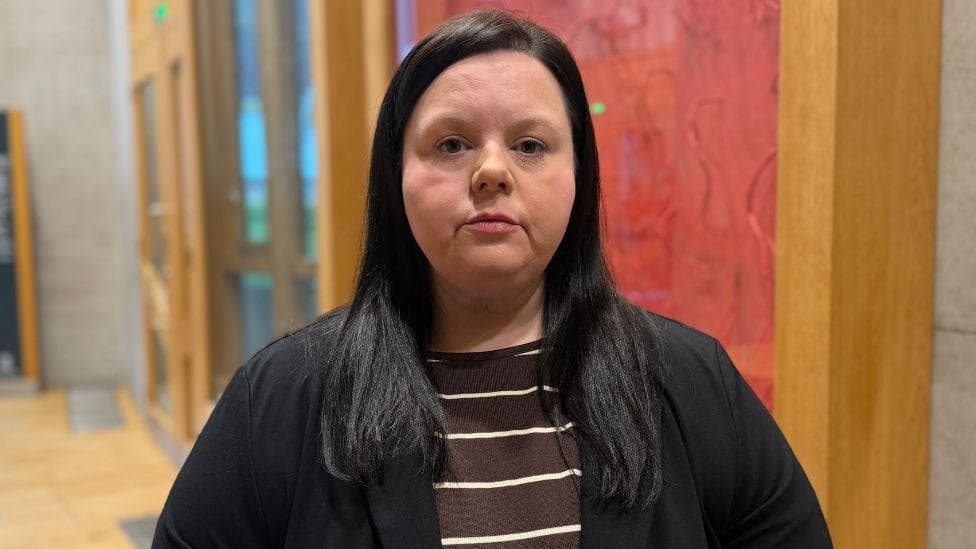
Elizabeth Crammond, who endured a third miscarriage in three years, has described her struggle to access NHS care as "fighting a system that wasn't working for me at all". According to BBC News, Crammond waited nine days to see medical staff after experiencing pain and bleeding in March, during which time she attempted to contact her local early pregnancy unit 60 times without success. First Minister John Swinney subsequently apologised for the failures in her maternity care when the case was raised in parliament.
Crammond presented a petition signed by more than 900 people to Holyrood, calling for systemic improvements to maternity services. The petition demands that ministers establish a duty of care on general practitioners to provide transitioning support for gynaecology, fertility and maternity services, alongside a "reactive auditing process" to reduce delays and enhance safety.
What happened during Crammond's care?
After first noticing symptoms of miscarriage, Crammond made repeated attempts to reach the early pregnancy unit in Kirkcaldy, Fife, but was unable to secure an appointment. Frustrated by the lack of response, she decided to fund private scans herself. The NHS did not assess her until nine days after her initial contact, by which point the miscarriage had already occurred.
Speaking to BBC Scotland News, Crammond recounted the distress of her experience:
"I phoned literally morning, noon and night - even in attendance to the hospital, where I was actually told to leave the hospital when I was bleeding extensively. And nobody supported me even then."She emphasised her high-risk status and the lack of belief from healthcare professionals until it was too late.
"I was just left to bleed, suffering pain, and almost suffering in silence, in some respect."
Crammond also described her ongoing battle with the healthcare system:
"I had to fight constantly with the GPs, midwives, early pregnancy units."
What did NHS Tayside say about the failures?
NHS Tayside subsequently issued an apology for miscommunication regarding Crammond's requested transfer of care. The health board acknowledged a missed opportunity to refer her to its recurrent-miscarriage clinic following an earlier loss, according to the Herald Scotland.
How has the government responded?
When Crammond's petition was raised in parliament in September, the Scottish government initially resisted the call for a specific duty on GPs, arguing that they already have a responsibility to provide care to any patient in need, including those with maternity-related concerns. The government pointed to its delivery framework for miscarriage care, launched the previous year, which aims to standardise miscarriage care and early pregnancy services across Scotland.
Public Health Minister Maree Todd responded to the petition by stating:
"The loss of a baby has a devastating impact on women, their partners and families, and I would like to express my deepest sympathies to Elizabeth and her family. It is vital that women and their families receive the compassionate care they need, and that bereaved families have the opportunity to have their voices heard and can contribute meaningfully to the maternity reform process. The health secretary and I have offered to meet Ms Crammond to hear more about her experience and look forward to hearing from her."
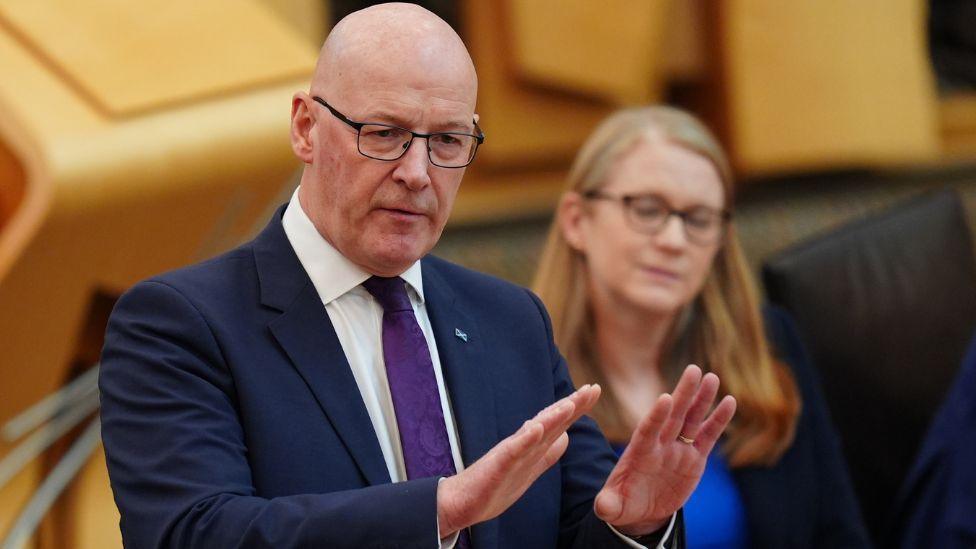
At First Minister's Questions in September, First Minister John Swinney apologised directly, saying:
"We want to ensure that people get the best and most appropriate care. In the cases that Jackie Baillie has put to me today, that clearly has not happened. I apologise for that, and I will happily explore both those cases and will respond by providing as much information as I can to Elizabeth and Katie, to whom I express my sympathy and empathy for what they have experienced."
What other cases have highlighted similar failures?
Crammond's case is not isolated. Labour MSP Jackie Baillie also raised the case of Katie Lyon, who had miscarried three times previously. Lyon attended accident and emergency on Christmas Eve, having noticed spotting, but was turned away after being told the maternity service was full. She subsequently waited for a scan, during which doctors were unable to detect a heartbeat, though the miscarriage was not formally confirmed until a week later.
What is the broader context for maternity reform in Scotland?
Crammond's petition comes as Scotland's maternity services face significant scrutiny. Scotland's independent maternity-services review began on 5 October and is planned to run for nine months. Additionally, Healthcare Improvement Scotland has been ordered to carry out unannounced inspections of all 18 maternity units, following scrutiny of spikes in newborn deaths.
The broader context includes demands from bereaved families for a public inquiry into Scotland's maternity care failures, with some arguing that the current independent review will not go far enough to ensure accountability.
What happens next with Crammond's petition?
On 5 November, MSPs agreed to keep Crammond's petition open and consider a wider evidence session on women's health, according to the Herald Scotland. Public petitions committee convener Paul Sweeney suggested that an early parliamentary debate could also be considered. Labour deputy leader Jackie Baillie urged the committee to ask maternity-review chair Professor Christine McCourt to explicitly include miscarriage support in the review.
Key Facts:
- Elizabeth Crammond waited nine days for NHS assessment after experiencing a third miscarriage in three years in March
- She attempted to contact her local early pregnancy unit 60 times without securing an appointment
- Her petition, signed by more than 900 people, calls for GPs to have a duty of care for maternity-related support and for improved auditing processes
- NHS Tayside apologised for miscommunication and a missed opportunity to refer her to its recurrent-miscarriage clinic
- MSPs agreed on 5 November to keep the petition open and consider a wider evidence session on women's health