

A senior obstetrician has warned that some women in Wales may be forced to continue unwanted pregnancies because surgical abortion care is not adequately available within the country. Dr Ed Dorman, who treats women from Wales roughly every fortnight at a British Pregnancy Advisory Service (BPAS) clinic in London, said he fears an unknown number of patients never manage to make the journey and are left with no choice but to continue their pregnancies. The Welsh government said it is working with NHS Wales to identify and tackle the barriers preventing local delivery of surgical abortion services.
Under the law in Wales, England and Scotland, abortion is permitted up to 24 weeks of pregnancy provided two doctors approve. Roughly 90% of women who choose to end a pregnancy do so through a medical abortion, taking tablets at home. Beyond 10 weeks, a medical abortion must take place in a clinic or hospital setting, or a woman may opt instead for a short surgical procedure.
Why are women travelling from Wales to England?
Surgical abortion, according to Dr Jane Dickson of the British Society of Abortion Care Providers (BSACP) in Wales, tends to allow for a faster procedure and quicker recovery than medical alternatives, yet it remains scarcely available within Wales itself. As a result, patients are routinely sent across the border into England to access this form of care. Dickson said conscientious objection among staff — where healthcare workers decline involvement in procedures on moral or religious grounds — is widespread in Wales and is compounding an already strained system.
Dorman, a consultant obstetrician and gynaecologist who sees Welsh patients at his London-based clinic, described the emotional toll this places on women who must arrange overnight stays far from home.
"It's a traumatic experience for anybody," Dorman said.
"And to add the trauma of having to travel, arrange overnight accommodation in a hotel or somewhere in London, spending two days away from home and your local support network is really hard for some women."
"What worries me the most is I only see the women who manage to make it."
"There may be a significant number of women who never manage to do the journey - and are forced to continue an unplanned pregnancy in really difficult circumstances."
According to previous figures cited by BPAS, around 175 women travel from Wales to England annually for surgical abortion care. The charity, which delivers some abortion services under NHS contracts, currently serves women from north and mid Wales through sites in Chester, Birmingham and Merseyside.
Until recently, women between 14 and 18 weeks pregnant could access surgical abortions at a BPAS clinic in Cardiff. That site has since closed as part of a relocation, meaning anyone beyond 18 weeks must now cross into England to obtain a surgical procedure.
However, BPAS's current information indicates its Wales network offers both medical and surgical abortion across several sites, as well as at-home abortion pill treatment, according to the charity's own service listings. Separately, a provisional UK government list from 2025 identifies 18 abortion facilities operating across Wales, including a BPAS centre in Cardiff and one in Welshpool alongside numerous NHS hospitals, according to the government's published register.
How is conscientious objection affecting access?
Dickson said objection on religious or moral grounds among clinical staff is contributing directly to delays and obstacles for women seeking abortion care within NHS settings in Wales. The Abortion Act 1967 permits staff to decline involvement in treatment unless it is urgently required to save a patient's life or prevent serious permanent harm, whether the grounds are religious, moral or personal.

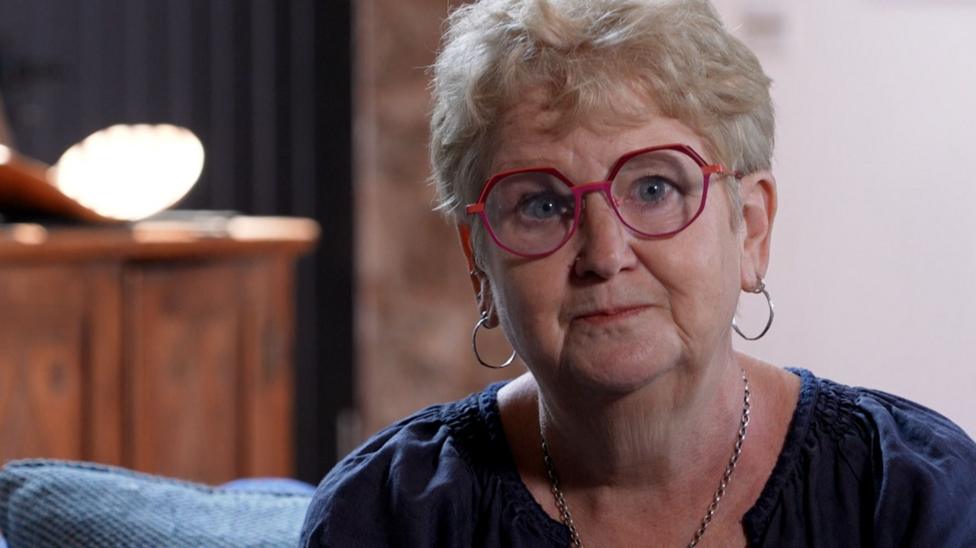
Dickson recounted one case in which a pregnancy abnormality led to a six-week delay in care, and another involving a young woman who could not afford to travel for treatment.
"The only appointment availability was in England," she said.
"She was young. She didn't have any support, and she actually made the decision that she would not be financially able to travel. So, she actually kept the pregnancy."
Dickson said the scale of conscientious objection across Wales needs to be confronted directly.
"Many people won't support routine care provision," she said.
"So this means that often obstructions are put in place, like having the availability of an operating theatre in which you can perform the procedures, or availability of support staff."
Dickson also pointed to the difficulty of tracking spending on abortion services specifically, since funding for this care is not ring-fenced within health board budgets.
"We can't be a country that doesn't offer a basic requirement of care that has been legal for 60 years," she added.
What support is available to women in Wales now?
Welsh health board information now sets out self-referral routes for abortion services across all boards, including Cardiff and Vale, Betsi Cadwaladr, Hywel Dda and Swansea Bay, according to published NHS Wales guidance. In the Aneurin Bevan University Health Board area, the BETH Clinic offers abortion services through phone referral with published weekday opening hours, as detailed on the NHS 111 Wales directory. Separately, women in Gwent can access abortion care alongside contraception, menstrual and menopause support through a dedicated women's health hub, according to a recent health board update. The Welsh government confirmed that women's health hubs opened in every health board area in March 2026, aiming to bring reproductive and other services closer to home, according to its official announcement.
The Royal College of Obstetricians and Gynaecologists (RCOG) has described abortion care as essential healthcare that must be reachable by every woman in Wales regardless of location. RCOG vice president for education, Melanie Tipples, called on the Welsh government to invest in workforce capacity to ensure enough trained staff are available.
She added that while healthcare professionals have a legal right to object to participating in abortion procedures, this should "never be the reason a patient can't access safe, timely and legal care."
A Welsh government spokesperson said women should be able to reach essential healthcare services closer to home, adding that the deputy minister for women's health has made improving abortion provision one of this year's priorities within a strengthened women's health plan.
What has changed in the wider legal and historical picture?
Wales' second-trimester abortion access was described as the worst in the UK in reporting from 2025, a finding that underpins the current push for expanded local services, according to earlier coverage. Reporting that same year also indicated that funding was being planned specifically for complex and mid-trimester abortion care in Wales, according to a 2025 report. Separately, the UK Parliament's Commons Library notes that a 2026 law change removed women from the criminal law on abortion in England and Wales, though it left existing gestational limits and provider rules unchanged, according to a parliamentary research briefing.
What happens next?
The Welsh government says it continues working with NHS Wales to pinpoint and remove the barriers preventing surgical abortion services from being delivered locally. Its Women's Health Network is still developing a sustainable long-term plan for abortion care in partnership with stakeholders and clinical leads, according to a written statement. Meanwhile, NHS Wales and individual Local Health Boards continue to update their published referral routes and service details online, suggesting incremental changes to provision are ongoing rather than tied to a single fixed national rollout date, according to NHS Wales guidance.
Key Facts
- About 175 women travel from Wales to England annually for surgical abortion care, according to previous BPAS figures.
- Abortion is legal up to 24 weeks of pregnancy in Wales, England and Scotland with approval from two doctors.
- Around 90% of abortions are medical, involving tablets taken at home.
- A provisional 2025 government list names 18 abortion facilities across Wales, including BPAS sites in Cardiff and Welshpool.
- Women's health hubs opened in every Welsh health board area in March 2026.


