

A growing number of young adults say they are turning to prescription medicines instead of alcohol to cope with social anxiety, a shift that is splitting medical opinion over how safe the practice really is. Matt, a 22-year-old warehouse worker from the north of England whose name has been changed, says he now takes an epilepsy and nerve-pain medicine bought illegally online alongside a beta blocker before nights out, rather than drinking until he feels sick. Researchers and clinicians are divided on whether this represents a safer alternative to heavy drinking or a new pathway into dependency.
Matt says that without alcohol in the past, he would sit through social events in silence, unable to find, in his words, any way into the conversations happening around him. He switched two years ago after discovering the medicines through social media, and now takes them not only before nights out but also before dates and family gatherings.
The amount of alcohol you have to drink to replicate the effects of these is really unhealthy and it doesn't feel good.
Matt describes the effect of the drugs as euphoric, saying they quiet his anxious thoughts and make socialising far easier than it used to be.
What exactly is Matt taking, and why?
Matt takes pregabalin, a medicine licensed for epilepsy and nerve pain, in combination with propranolol, a beta blocker designed to slow a racing heart and ease the trembling associated with anxiety. He obtains the pregabalin illegally through online sellers rather than through a prescription.
He says the combination delivers the relaxed, sociable feeling he associates with drinking, without the following-day hangover. Matt says he has previously tried therapy for social anxiety, and that without the medication there are social situations he would simply avoid altogether. He denies that he has become dependent on the drugs.
How widespread is this trend among young people?
Exactly how many young adults are using pregabalin, propranolol or injectable peptides recreationally is difficult to establish, since many obtain the drugs without any medical prescription. Liam Knowles, an addiction researcher at Teesside University, believes there is likely to be a substantial number of people developing dependency without realising it.
[Users] don't feel as bad the next day and it's a medication - so people think it's safer.
Social media hashtags linked to these medicines generate thousands of videos, with some users encouraging others to combine multiple substances into personalised regimens known online as "stacking". Our research found influencers selling some of these medications through websites linked directly from their social media profiles.
Why are young adults turning away from alcohol in the first place?
The shift is unfolding against a broader retreat from drinking among younger generations, who have been dubbed the "sober generation". A survey conducted last year by the charity Drinkaware found that 26% of 18 to 24-year-olds in the UK did not drink alcohol at all, compared with just 7% in 2012.
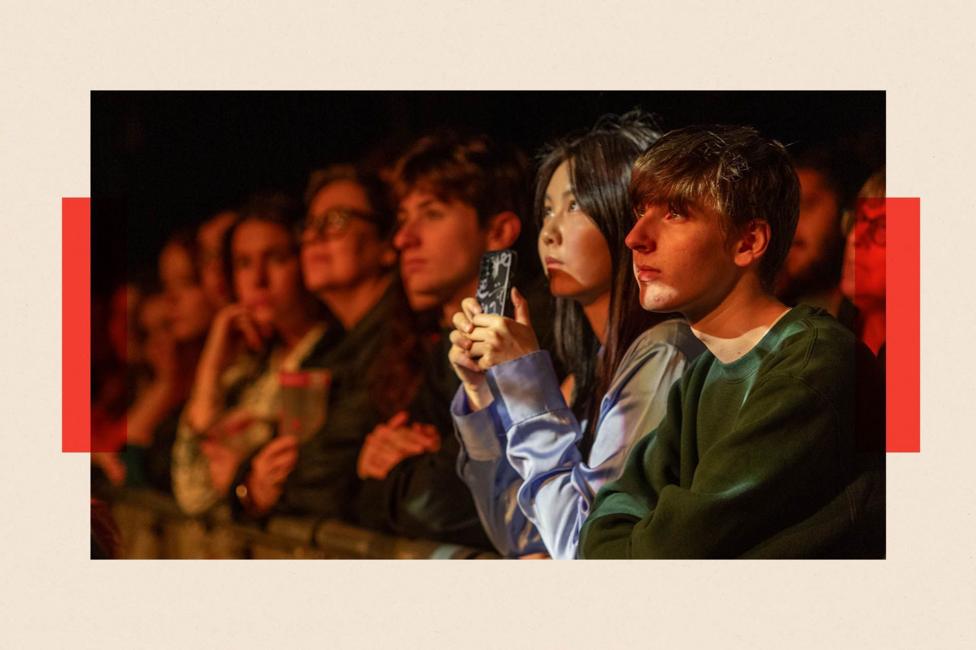
Anxiety appears to be a significant driver. More than a quarter, 28%, of people in their early twenties in England report high levels of anxiety, according to a study published last year by University College London, which also found that serious mental illness is markedly more common among members of Generation Z than it was among millennials at the same age.
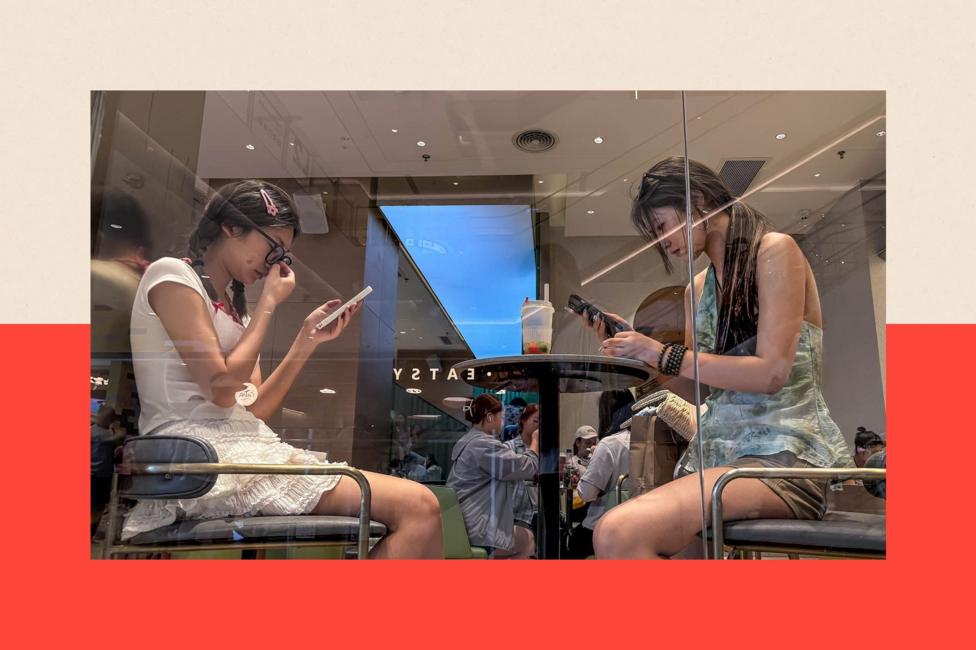
Professor Emily Jones, a psychologist at King's College London, suggests the coronavirus pandemic may have played a role in fuelling this anxiety among younger people.
Lockdown effectively taught everybody to be afraid of social interaction.
What do wider drug and alcohol statistics show?
Separately from the trend described in this story, newly released U.S. federal survey data found declines in past-month alcohol use, binge drinking, nicotine vaping, marijuana use and diagnosable substance use disorders among adolescents and young adults during 2025, according to the Substance Abuse and Mental Health Services Administration. The same agency reported that 44.4% of people aged 12 or older in the United States drank alcohol in the past month during 2025, while 16.4% used an illicit drug.
A summary of that same survey published in August 2026 by the American Society of Addiction Medicine found broad declines among adolescents and young adults across alcohol use, binge drinking and major depressive episodes, alongside lower rates of suicidal thinking. Those figures relate to the general youth population in the United States rather than specifically to the prescription-drug-as-alcohol-substitute pattern described by Matt and others, and it remains unclear how the two trends intersect.
A 2021 review estimated that around 585,000 young adults in the United States engaged in past-month misuse of prescription drugs combined with alcohol, according to a study published on PubMed Central, indicating that co-use of the two substances, rather than straightforward substitution, remains common. A separate 2023 study found that 18.6% of adolescents who misused prescription drugs also drank alcohol at the same time, according to a peer-reviewed research summary, underlining the overlap between the two behaviours rather than a clean switch from one to the other.
Is there clinical evidence pregabalin helps social anxiety?
Pregabalin does have some clinical backing as a treatment for social anxiety disorder when prescribed and monitored properly. A clinical review cited by PubMed notes evidence of benefit at doses of 600 mg per day in placebo-controlled trials, doses set and supervised by a doctor rather than self-administered.
That is distinct from the pattern described by Matt and others, who say they take the drugs at higher-than-prescribed doses specifically for their intoxicating effect before social occasions, rather than as part of a supervised treatment plan.
Why has pregabalin become such a focus for global researchers?
A study published in the journal Nature Communications estimated that global consumption of pregabalin more than quadrupled between 2008 and 2018. Alongside this rise, England and Wales have recorded a sharp increase in fatalities linked to the drug.
Office for National Statistics figures show pregabalin was mentioned on 2,360 death certificates for drug-related poisonings in England and Wales between 2020 and 2024, compared with 768 death certificates between 2015 and 2019.
What happened to Alex Cottam?
Alex Cottam, a 27-year-old software engineer from Eccles, was among those who died after developing a dependency on pregabalin. His mother, Michelle, described him as lovely, clever and popular. He had originally been prescribed the drug to treat anxiety but, according to his mother, became addicted and began supplementing his supply through illicit websites.
I can't help thinking every day that pregabalin killed my son.
She made those comments in 2024. Researchers have also noted rising pregabalin misuse in Jordan, Ukraine and India, while China tightened its own controls on the drug earlier this year by banning most online sales and capping how much can be manufactured in each province.
How has social media shaped the trend?
Matt first heard about combining pregabalin and propranolol at the age of 20, through Braden Peters, an influencer known online as "Clavicular" who has discussed taking the medicines as part of a personal "stack" to manage social anxiety during livestreams.
Beta blockers in particular have entered mainstream celebrity conversation, with actresses Rachel Sennott and Kristen Bell, along with influencer Khloé Kardashian, having spoken publicly about taking them.
Mei, a 20-year-old university student in China whose name has been changed, says she first sought out pregabalin, at doses above what would typically be prescribed, for the relaxed and happy feeling it produced, similar to being drunk.
It was like I could be the most interesting person in the room.
She says she eases her physical anxiety symptoms with the drug and bought it through a Chinese social media platform, where she says thousands of posts advertise it for sale.
Do users see the drugs as a healthier choice than drinking?
Cost is part of the appeal. Matt says he spends as little as 18 pence on the medicines for a single night out, which he calls a welcome bonus compared with the cost of drinking.

Knowles says many young recreational users he has encountered in the UK are highly health-conscious, avoiding alcohol's calories and reassuring themselves that a doctor-prescribed medicine cannot be especially harmful.
People don't want the calories. They think, 'my doctor wouldn't prescribe them if they were bad for you.'
Matt, who regularly exercises, says he believes the drugs have a much lower impact on his body than alcohol, particularly on his liver and heart.
People in this community believe that pregabalin is healthier than alcohol.
Alcohol itself has been linked to at least seven types of cancer, and the World Health Organization has previously warned that no level of alcohol consumption can be considered free of risk.
What do addiction specialists say about the comparative risks?
Professor David Nutt, a neuropsychopharmacologist at Imperial College London who has long campaigned for looser drug laws, argues that the medicines Matt takes may carry fewer harms than heavy drinking, though they are not risk-free.
Propranolol and pregabalin are undoubtedly safer than alcohol, but not perfectly safe.
He says the calculation changes once pregabalin is taken in large doses purely for intoxication, as Matt describes doing.
If they're using it as a sort of intoxicant to get drunk, then they are at risk of dependence. It's not a free lunch in that sense.
Propranolol carries its own risks at high or inappropriate doses, including dizziness, fainting and a dangerously slowed heart rate, even though it is generally considered safe when taken exactly as prescribed. Nutt also warns that medicines obtained from unregulated online sellers carry an added danger, since there is no guarantee they meet proper medical manufacturing standards.
What happens when reliance on these drugs deepens?
Jones argues that focusing purely on comparing physical harms with alcohol overlooks a more fundamental problem: what happens once someone comes to believe they cannot socialise at all without chemical assistance.
Alcohol in large quantities is dangerous, but it is also dangerous to take medication too routinely without being under the supervision of a doctor.
She is concerned that using medication to suppress anxious feelings can entrench the belief that ordinary social situations are inherently frightening, with a pill taken before a party gradually extending to dates, work meetings and daily life more broadly.
You lose your faith in your own capacity to deal with things effectively.
Mei's own use followed that trajectory, starting as a "going out stack" before parties and eventually extending to exams, speeches and debates, until she says she was taking the drugs daily.
Now I can't leave the house without it.
Sofia, a customer-service worker from Ukraine, describes a similar progression, moving from taking pregabalin before social events to relying on it at work.
It helped me. I work with people. It made it easy to communicate and solve problems.
When she went two weeks without access to the drug, she says she experienced depressive episodes and suicidal thoughts.
I didn't understand what happened to me. I was anxious, I couldn't eat, I couldn't see friends.
Separately, a 2023 report by a Scottish broadcaster noted clinical trial evidence suggesting suicide risk may be elevated among 18- to 24-year-olds taking antidepressants, according to that broadcaster's report, a separate class of medication from pregabalin but one that highlights the wider caution clinicians apply to psychiatric drug use in this age group.
Knowles says younger users often fail to recognise their own dependence if they remain broadly functional, holding down jobs or relationships, because they associate addiction only with lives that have visibly fallen apart.
Could restricting these drugs push users toward greater danger?
As China, India and other countries tighten controls on pregabalin, some campaigners warn that clamping down further access could create new risks rather than eliminating existing ones.
Mykyta Lapin, an epidemiologist and head of the Ukrainian harm-reduction organisation Mind Games, argues that prohibition alone rarely stops use.
Banning certain substances simply leads to people turning to the black market and buying drugs of dubious quality.
Knowles notes that illicit pregabalin carries an additional danger because users often cannot be certain exactly what they are taking.
If you buy an alcoholic drink from a shop [in the UK] and it says the amount of units it contains and its percentage, then that's what it is.
He adds that no equivalent certainty exists for pregabalin purchased online, calling it an added risk that simply does not come with a bottle of spirits.
How does this compare with historical patterns of substance use?
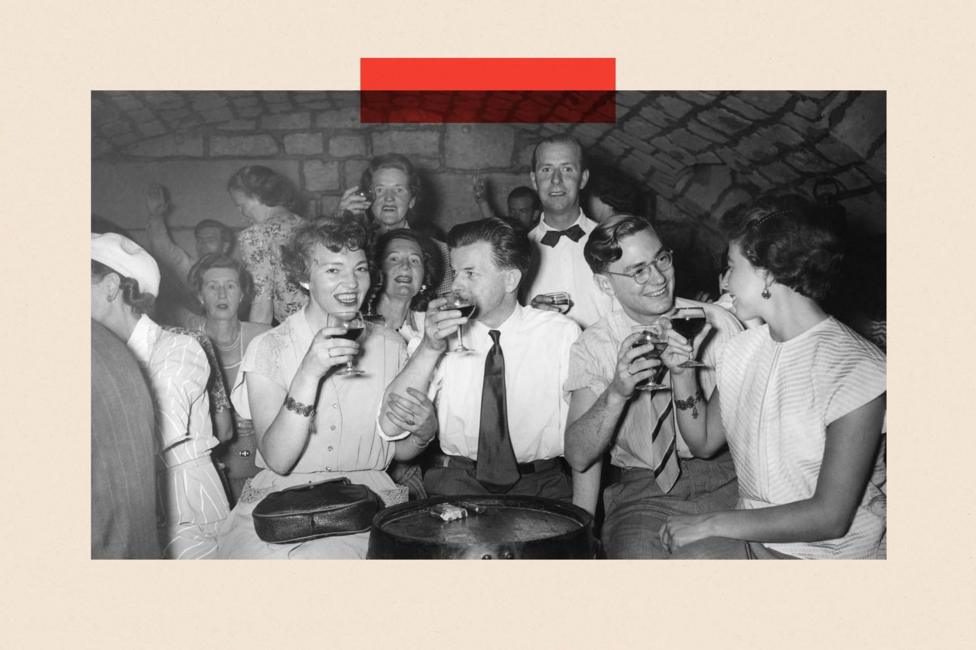
For much of the 20th century, alcohol was the default substance young people reached for to relax socially and manage nerves in group settings. The current shift toward prescription medicines represents a departure from that pattern rather than an entirely new phenomenon of substance-assisted socialising, according to the source reporting underpinning this story.
A separate national survey in Canada found statistically significant declines in both alcohol use and prescription sedative use in 2025 compared with 2023, according to the Canadian Substance Use Survey, suggesting the broader shift away from both alcohol and prescription-drug misuse may not be confined to the UK. Guidance from the American Academy of Child and Adolescent Psychiatry also notes that legally available substances, including alcohol and prescribed medications, can both be misused as intoxicants, according to the academy's guidance for families, underscoring that the line between legitimate medical use and recreational misuse has long been a source of concern among clinicians.
What is Matt's own view on the trade-off?
Despite acknowledging that he takes the drugs mainly as a social lubricant, Matt remains convinced he has made the healthier choice overall.
When I look at the improvement in my quality of life compared with what I see as a very minimal impact on my health, it's such a clear trade-off. For me, it's an exchange that's worth it.
Most doctors continue to strongly discourage the kind of illegal, unsupervised use Matt describes. Even so, with large numbers of young adults searching for a straightforward remedy for anxiety, the numbers turning to these alcohol alternatives appear likely to keep rising.
What happens next?
The SAMHSA figures on falling youth alcohol and drug use were only published in late July 2026, meaning public health agencies and independent researchers are expected to spend the coming months analysing the full dataset for deeper patterns, according to the agency's announcement. The next scheduled point of comparison will be the 2026 wave of the National Survey on Drug Use and Health, which will provide a fresh year-on-year benchmark once released, according to the same source.
In the UK, the government's independent drugs advisers have already launched a review examining pregabalin misuse, though no timeline for its conclusions has been set out in available reporting.
Key Facts
- Matt, 22, takes illegally sourced pregabalin alongside propranolol before social occasions instead of drinking alcohol.
- Drinkaware found 26% of 18-24 year-olds in the UK did not drink alcohol in 2024, up from 7% in 2012.
- Pregabalin was mentioned on 2,360 death certificates in England and Wales between 2020-2024, up from 768 between 2015-2019.
- SAMHSA reported broad declines in alcohol use, binge drinking and substance use disorders among U.S. adolescents and young adults in 2025.
- England reclassified pregabalin as a Class C controlled drug in 2019, carrying a maximum two-year sentence for unauthorised possession.
If you have been affected by addiction, help and support is available through the BBC Action Line. In Northern Ireland, the 24-hour Lifeline helpline can be reached on 0808 808 8000.



