

Erin Lavery, a 23-year-old nail technician from Cambuslang near Glasgow, is calling for wider access to NHS egg preservation after finishing treatment for Stage 3 Hodgkin's lymphoma left her fertility severely affected. Diagnosed in August 2024 at the age of 21, she was unable to freeze her eggs before starting chemotherapy and radiotherapy, and now says she must raise around £8,000 for fertility treatment if she wants any chance of having biological children.
Erin says the decision she now faces is unlike anything most people her age have to consider.
"It's me having kids or not. It has to happen now," she says.

Erin's diagnosis followed roughly eighteen months of worsening symptoms, during which she repeatedly visited her GP before Hodgkin's lymphoma was confirmed. She believes that delay cost her the opportunity to protect her fertility before treatment began.
"I was unwell for a year-and-a-half and was consistently going to my GP for a year with symptoms that were adding up by the minute," she says. "Unfortunately, it took all that time to get the diagnosis. It's a frustrating one, because if they were able to diagnose me when I first started going it would be such a different situation to what we are now in. I would have had the time to preserve my eggs at that point."
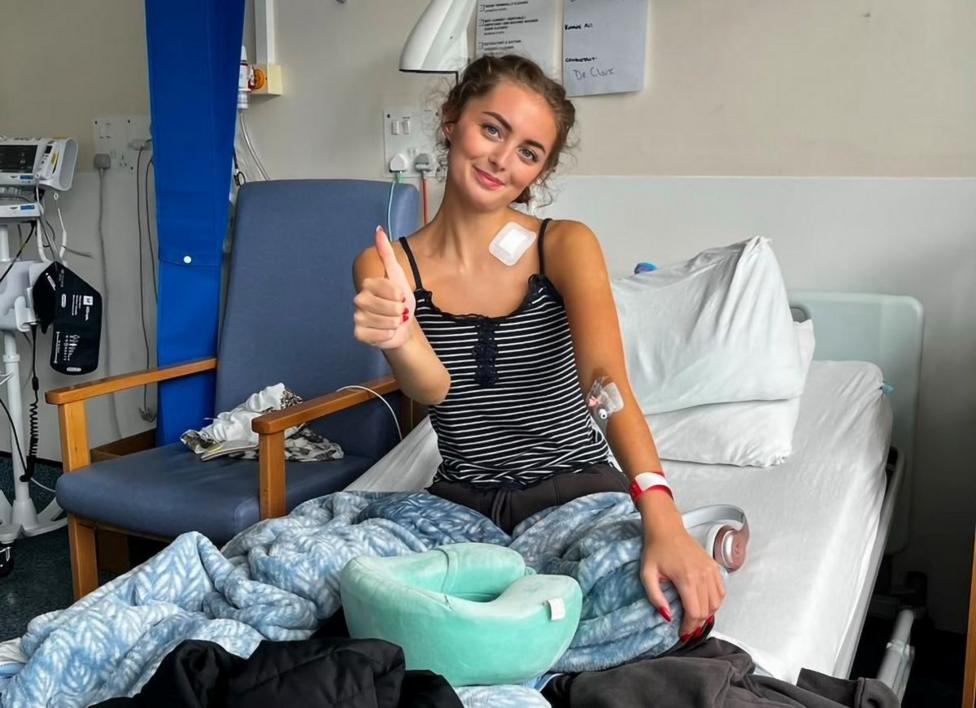
Erin underwent six months of chemotherapy followed by a month of radiotherapy, describing the experience as physically and emotionally gruelling.
"I underwent six months of chemotherapy and a month of radiotherapy, it was really difficult," she told BBC Radio Scotland. "I spent so much time in hospital, something that was at the back of my mind all throughout my treatment was my fertility. Unfortunately, after a very long diagnosis process, it was too late for me to preserve my eggs before I began treatment. It meant I had to just go ahead and hope for the best on the fertility front."
How does cancer treatment affect fertility?
Chemotherapy, radiotherapy, surgery, hormonal therapy and targeted therapy can each damage fertility in different ways, and for young women reduced fertility is among the most significant long-term side effects of cancer treatment. Where possible, the NHS can offer egg freezing and storage free of charge, but the process typically takes up to three weeks to complete, meaning patients who need to start treatment immediately may not have time to preserve their eggs beforehand.
According to guidance published by the National Institute for Health and Care Excellence, women who are well enough to undergo ovarian stimulation and egg collection should be offered the option of storing eggs or embryos before their cancer treatment begins, underlining how much timing matters in these cases (NICE guidance).

What decision does Erin now face?
A year after finishing her cancer treatment, tests confirmed Erin's worst fears about the lasting impact on her fertility, leaving her with an urgent decision to make.
"I found out that my fertility had been heavily, heavily affected," she says. "A specialist told me that if I wanted to have kids I would need to preserve my eggs right now. I'm someone who's always wanted kids, but I think that's something that you think will happen naturally in the future."
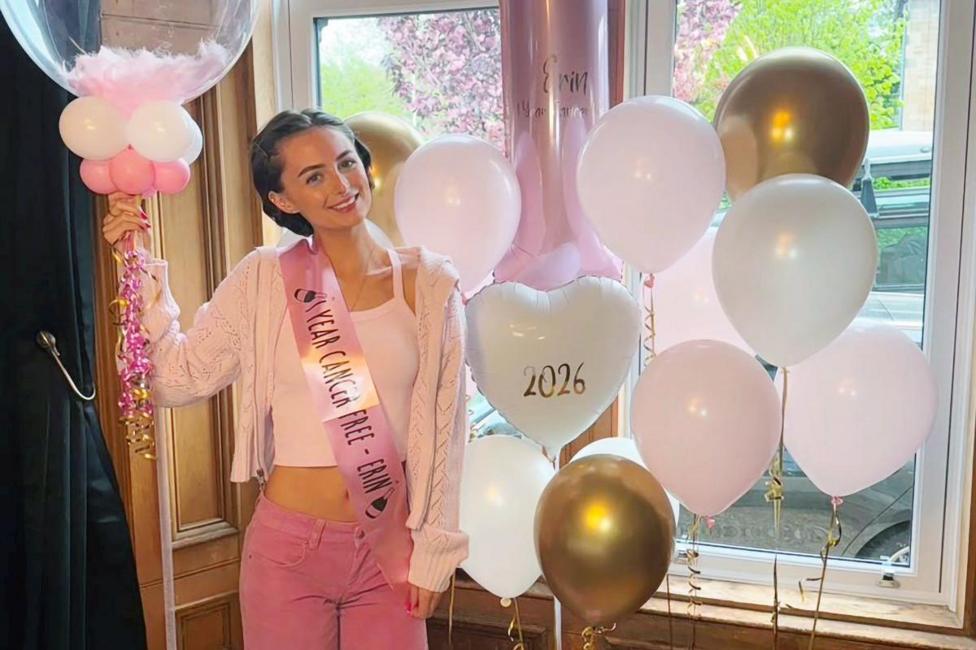
Because her fertility issues emerged only after her cancer treatment had ended, the NHS will not fund the procedure, leaving Erin to cover the full cost herself at a time when she has already lost two years of income.
"It's also coming with a financial burden that if I choose to do this, it's going to impact my near future," she says. "It's £8,000 to do this procedure that I'm going to need to fund myself. The way it works is you can have multiple cycles to get the best outcome, I will need two cycles to get the correct amount eggs. If I'd received it before the NHS would have funded it, but because now I've had cancer treatment they will not fund it. I've always worked really hard and thought I would be at a different point in life financially now. After being off work to be hit with a cost like this wasn't even on my radar. It's been a massive shock and the stress that came with it has been huge."
Why is she campaigning for change?
While being treated in hospital, Erin used TikTok to document her diagnosis and recovery, building a following of people who wanted to support her and, in turn, whom she hoped to help by sharing her experience. When she posted about the cost of fertility treatment after cancer, she received thousands of comments from people shocked that patients in her position are left to pay privately.
"I'm a bit lost with it," she admits. "It's not something that I ever thought I would be doing. Maybe nobody's looked at this? Maybe nobody's thought this is a problem? It's about learning the procedures to go through to try and get a little bit of change."

What has the Scottish government said?
Public Health Minister Maree Todd said the government is sympathetic to Erin's campaign and intends to set out a review of fertility services shortly.
"I greatly admire the strength and resilience shown by Erin as she has documented her cancer journey online," Todd said. "I thank her for the sharing her personal experience and the work she is doing to advocate for more support for cancer survivors. Guidance on fertility preservation has been developed by clinical experts and makes clear that special consideration by health boards should be done on a case-by-case basis, to cover the whole range of possible conditions and individual circumstances where fertility preservation might be considered."
How does the current eligibility guidance work?
Existing Scottish government guidance on NHS-funded fertility preservation covers people who are newly diagnosed with cancer before starting treatment, those whose treatment is likely to compromise their fertility, and, in some circumstances, people who have already had cancer treatment and now require further treatment, according to Scottish government guidance. Glasgow is named as one of four tertiary NHS fertility centres in that same guidance, with frozen eggs and embryos stored at Glasgow Royal Infirmary and costs managed through the NHS Assisted Conception Service, which charges an annual storage fee, according to the Glasgow Royal Fertility Clinic. Separate patient information from NHS Highland states that NHS-funded fertility preservation is generally only available to patients under 38, with a body mass index below 35 and with no existing children, according to NHS Highland guidance, illustrating how criteria can vary between health board areas.
What happens next?
Patients seeking a referral for fertility preservation in the Glasgow area are directed to a dedicated Assisted Reproduction Unit contact listed in national guidance, which remains the active referral pathway for eligible patients, according to Scottish government guidance. For those who do have their eggs stored under the NHS scheme, the maximum storage period currently allowed is 55 years, but patients must renew their consent every 10 years, creating a recurring review point for anyone relying on long-term storage, according to NHS Scotland guidance. It remains to be seen whether the Scottish government's forthcoming review of fertility services will change the funding rules that currently leave patients like Erin, whose fertility problems only became apparent after cancer treatment, without NHS support.
Key Facts
- Erin Lavery, 23, was diagnosed with Stage 3 Hodgkin's lymphoma in August 2024 at age 21.
- She could not freeze her eggs before starting six months of chemotherapy and a month of radiotherapy.
- She now needs an estimated £8,000 for two cycles of fertility treatment, which the NHS will not fund since her infertility was confirmed after treatment ended.
- NHS Scotland guidance lists Glasgow as one of four tertiary fertility centres, with storage managed by the NHS Assisted Conception Service.
- NHS-funded egg storage can last up to 55 years, with consent needing renewal every 10 years.


