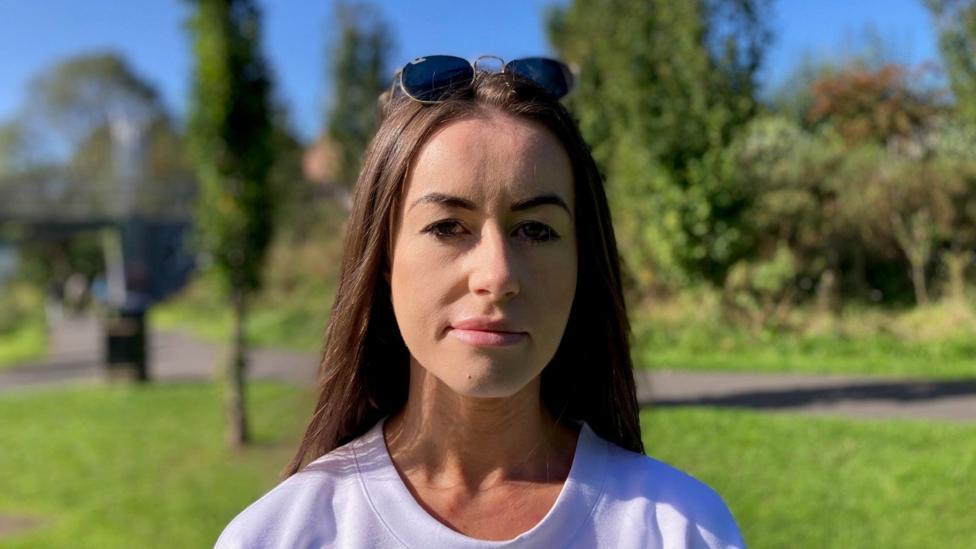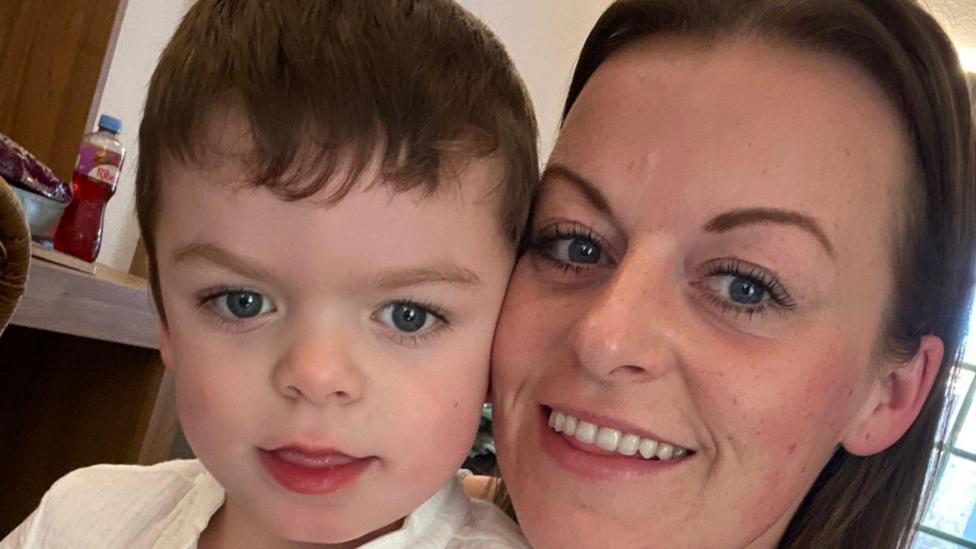
Tammy McDaid faces a £2.95 million bill to access the world's first approved treatment for her five-year-old son Tate, who has Sanfilippo Syndrome, a rare form of childhood dementia affecting just over 100 children in the UK. According to BBC News, the gene therapy drug FAYUVI was approved by the US Food and Drug Administration in September 2026, but the cost has left families outside America struggling to access it. Health officials from Wales are currently exploring potential pathways for Tate to receive the treatment, which is not yet available in the UK.
Tate, from Swansea, received his diagnosis at age four. His mother described the moment she learned of the treatment's approval as bittersweet:
I was excited when the treatment initially got approved but then reality hit hard the next day.That reality was the US price tag of $3.95 million (approximately £2.95 million) for the one-time treatment. Tammy contacted Ultragenyx, the pharmaceutical company that developed FAYUVI, to understand how families without US health insurance could fund the therapy.
Tammy highlighted the disparity in access:
We understand what they are charging for American citizens, but they've got health insurance. Not even just the UK, but everyone else in the world looking for this treatment.When asked to clarify international pricing, Ultragenyx responded that
There is not a single estimate we can provide for the total cost of care for an international patient, as those costs would depend on the patient's individual medical needs and the treating institution.
What is Sanfilippo Syndrome?
Sanfilippo Syndrome Type A, also known as Mucopolysaccharidosis type III (MPS IIIA), is a neurodegenerative condition often described as childhood Alzheimer's or childhood dementia. The Society for Mucopolysaccharide Diseases, a charity supporting affected families, estimates that approximately 140 children in the UK currently live with the condition. The disease causes gradual loss of abilities including walking, eating, and cognitive function, with progression often accelerating after age five.
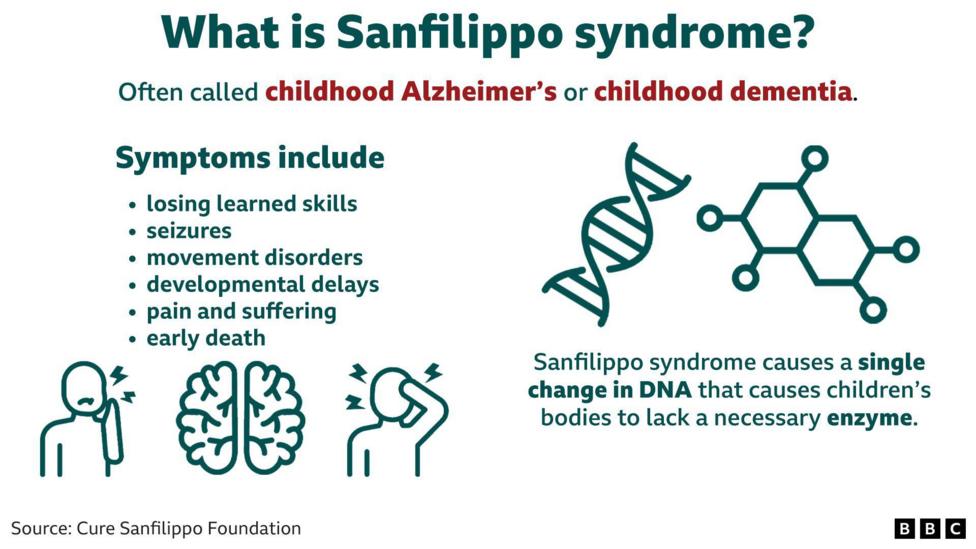
Currently, there is no cure for Sanfilippo Syndrome Type A, but FAYUVI represents a significant breakthrough. The FDA approval is specifically for children with MPS IIIA who have preserved neurodevelopmental function, meaning the treatment works best when administered before significant cognitive decline occurs. The drug could delay the condition's onset and allow affected children to maintain their abilities for longer.
For Tate, mobility is particularly important. Tammy explained:
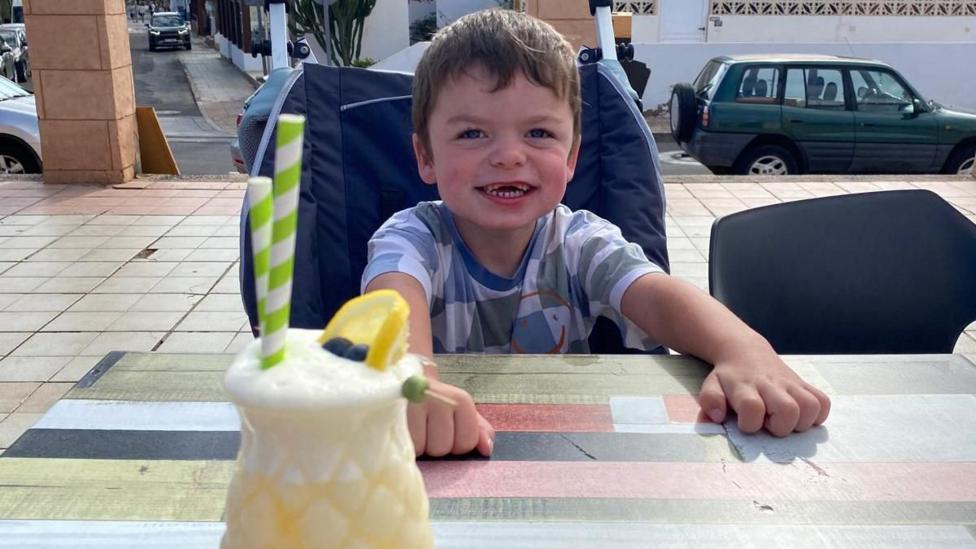
He doesn't speak, he's never spoken. But his mobility is everything to him and that is why I'm fighting for it.She described her son as
the happiest little manwho remains
blissfully unawareof his condition. With Tate turning six this month, time is critical—the older he becomes, the less effective the treatment will be and the more abilities he risks losing.

The race against time
Tammy began fundraising before FAYUVI's approval, and has now raised more than £160,000—covering only about 5% of the estimated treatment cost.
Unfortunately, we're in a world where we need millions, not hundreds of thousands,she said.
I'm just really hoping by some miracle the pharmaceutical company eventually come back to us and say they can do it for a little bit cheaper, but it's still going to be in the millions.
Tate is already showing signs of cognitive decline, adding urgency to his mother's efforts.
The older he gets the less the treatment will work and the more ability he will lose in the process. I feel like we are at a turning point and I'm petrified.If funding were available immediately, Tammy said:
If a millionaire turned around tomorrow and gave us the money, we'd go to the US straight away.
The broader cost of care
Ultragenyx has stated that the lifetime cost of care for a person with Sanfilippo Type A can exceed $8 million, making FAYUVI's one-time treatment cost a significant but potentially more manageable expense when compared to ongoing care. However, the upfront barrier remains insurmountable for most families outside the US healthcare system.
The company acknowledged the urgency families face:
We understand the urgency families affected by Sanfilippo syndrome Type A face in identifying treatment options and why some may consider travelling to the US to access gene therapy.Ultragenyx advised families to
work with their child's healthcare provider to understand what potential access pathways may exist before assuming this is their only option.
Availability and next steps
Ultragenyx reported on 3 November that it expects FAYUVI's US commercial product to be available for shipment to treatment centres within 30–60 days of approval. The company has indicated it is pursuing a global regulatory strategy, with FDA approval representing an important first step toward bringing the treatment to families worldwide. However, no timeline has been announced for international regulatory submissions.
Staff from Noah's Ark Children's Hospital in Cardiff are currently discussing potential access pathways with US officials on Tate's behalf, offering a glimmer of hope for a family racing against the clock.