Welsh Health and Education Systems Underperform Despite Increased Funding
Wales' health and education sectors are performing below the standards seen in England, despite substantial increases in funding, according to a comprehensive report by the Institute for Fiscal Studies (IFS).
The report highlights that although waiting lists have recently decreased, they remain significantly higher than pre-Covid levels. Additionally, school absences continue to be 50% above those recorded in 2019.
However, the IFS cautions that funding plans from the UK government suggest that whichever party wins the upcoming Senedd election will face challenges in maintaining, let alone enhancing, public services.
The Welsh government responded by stating it is "continuing to work closely with health boards and local authorities to improve frontline public services at a time that costs are rising." It also noted improvements in examination results since 2024 and a reduction in the longest NHS waiting times.
Analysis of Causes Behind Underperformance
David Phillips of the IFS remarked that the reasons for the underperformance of Welsh public services are "not fully clear" and that further investigation is necessary to understand the underlying causes.
"Funding levels seem unlikely to be a major factor given spending in Wales is higher than comparable areas of England," he said, adding that "high levels of deprivation can likely only explain part of it too."
Phillips suggested that policies and service delivery methods likely contribute to the issues. He pointed out that average hospital stays in Wales are 40% longer than in England, which limits the number of patients that can be admitted and treated.
Regarding education, he noted that accountability for poor performance might be weaker in Wales, with less data accessible to both teachers and parents.
School Absences and Performance
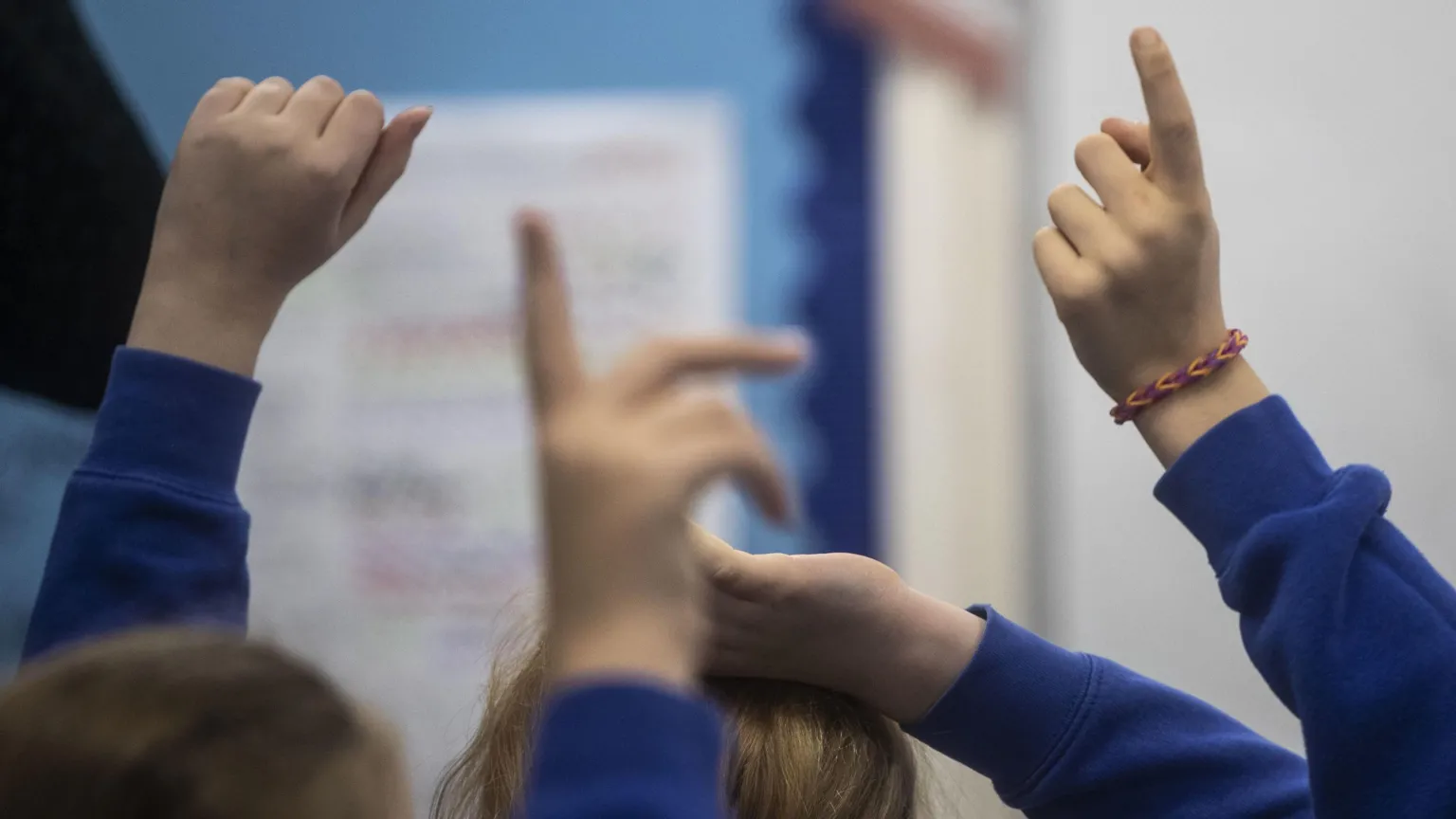
The IFS report states that overall and persistent absences from school remain considerably higher than before the pandemic. Data from 2024-25 shows that 9% of pupils in Wales were absent on any given day, compared to less than 6% in 2019.
Performance in the internationally comparable PISA tests for 15-year-olds declined more in Wales than in England following the pandemic, with the most recent figures published in 2023.

NHS Waiting Times and Health Spending
The report cites average waiting times for elective treatments in Wales at 19 weeks in December 2025, which is nearly double the pre-pandemic average of 10.7 weeks and higher than England's 13.4 weeks.
Emergency department (A&E) waiting times have also deteriorated over the past two years. In December 2025, only 53% of patients were seen within four hours, falling short of the 95% target.
Despite these challenges, health spending per person in Wales has increased by 17% in real terms since 2019-20, and spending per pupil has risen by 14%, figures comparable to or exceeding those in England during the same period.
Future Funding Challenges
The IFS warns that the next Welsh government will face difficulties in sustaining or improving services due to a slowdown in funding growth and recent budgetary decisions.
Health and social care spending is projected to decline by 2% in real terms in the 2026-27 financial year starting in April, a reduction the IFS expects Welsh ministers will need to supplement.
Moreover, if Wales aims to align its planned health spending with that of England over the subsequent two years, other public services would likely need to endure cuts of approximately 5% annually, based on current UK government funding forecasts.
Responses from Education and Political Representatives
NAHT Cymru, the headteachers' union, commented on the PISA results, acknowledging their usefulness but cautioning against overinterpretation. The union described the comparison as "simplistic" and suggested it may not fully capture the breadth of children's learning experiences.
Laura Doel of NAHT Cymru stated, "School leaders will be particularly interested to understand where the increased spending on education identified by the IFS has gone – because it has not reached the frontline."
Welsh Conservatives' education spokesperson Natasha Asghar attributed the issues to policy rather than funding.
She said, "Clearly this isn't a funding problem, it's a policy problem."
A Welsh government spokesperson reiterated their commitment to working with health boards and local authorities to enhance frontline services amid rising costs.
"The NHS waiting list has fallen and the longest waits are coming down. We have set clear expectations for all health boards to reduce emergency department long stays and complete ambulance handovers within 45 minutes.
Our education system is moving in the right direction thanks to the additional support we are providing to schools and the hard work of school staff.
Our latest GCSE and A-level results show improvements in attainment since 2024. For younger learners we are seeing progress within reading and numeracy in personalised assessments."