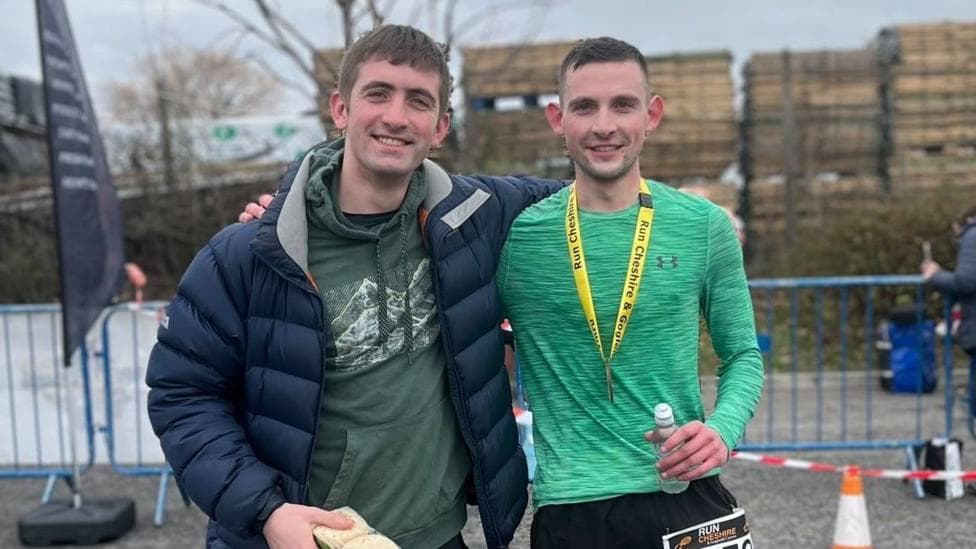
Saul and Drew Darlington from Wrexham, now 29 and 26 respectively, contracted meningitis as teenagers within a year of each other and have since discovered they share a rare inherited immunodeficiency that made them unusually vulnerable to the infection. Both brothers survived what could have been fatal illnesses and now work to raise awareness of meningitis symptoms among young people.
When Saul was 17 and on a school trip, he began experiencing cold-like symptoms and sensitivity to light. The situation became critical when a distinctive purple rash appeared on his skin, prompting his family to rush him to accident and emergency.
"The day I had it, if I had gone to sleep that night, I'd have probably died," said Saul.
"It all happened very fast. When my mum used the word meningitis, I could see how worried she was. It was really concerning - it was all so alien to us."
Saul spent a week receiving treatment in hospital, describing the experience as deeply frightening given his young age.
Almost exactly twelve months later, his then 16-year-old brother Drew fell unwell while preparing for his GCSE examinations. He initially presented with a high temperature but no other obvious warning signs. The situation deteriorated rapidly during a visit to his general practitioner.
"When I left the house I had no rashes on me at all. When the doctor lifted up my top, I had a big rash all over my chest and belly," he said, adding that purple dots on the roof of his mouth had also developed.
Drew remained on the children's ward at Wrexham Maelor hospital for two weeks. The first 48 hours proved critical, with his condition touch and go before he gradually began to stabilise. However, he experienced significant weight loss and required months to feel fully recovered.
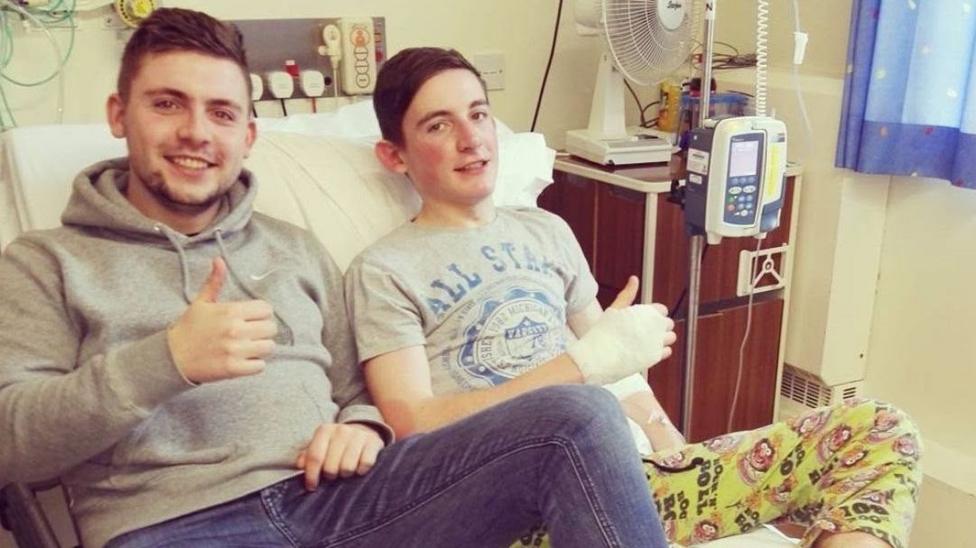
"I'm really thankful the doctor called the ambulance straight away when he noticed the rash - those quick decisions potentially saved our lives," said Drew.
What caused their unusual susceptibility?
Medical testing revealed both brothers had properdin deficiency, a rare inherited immunodeficiency condition. According to medical genetics databases, properdin deficiency is an X-linked hereditary immunodeficiency caused by mutations in the CFP gene, with more than 100 known cases documented globally. The condition leaves those affected significantly more susceptible to meningococcal disease and other serious infections.
Properdin plays a crucial role in the body's defence mechanisms. Research in clinical infectious disease literature explains that properdin is part of the alternative complement pathway, which provides essential protection against invasive meningococcal infection. When this component is deficient, the immune system cannot mount an adequate response to these dangerous bacteria.
Both brothers now take daily antibiotics as part of their ongoing medical management. Clinical guidelines recommend that invasive meningococcal infections should prompt screening for complement defects, including properdin deficiency, to identify other family members who may be at risk.

"I did think it's a bit weird isn't it really that we've both caught it, what are the odds of that?" said Saul.
Understanding meningitis and its symptoms
Meningitis is an infection of the protective membranes surrounding the brain and spinal cord. Although it can affect anyone, it occurs most frequently in babies, young children, teenagers and young adults. Without rapid treatment, the condition can become life-threatening.
The infection may be caused by bacteria or viruses, which can be identified through laboratory testing. Bacterial meningitis is less common than viral meningitis but carries greater severity, potentially leading to blood poisoning, sepsis, and brain damage.
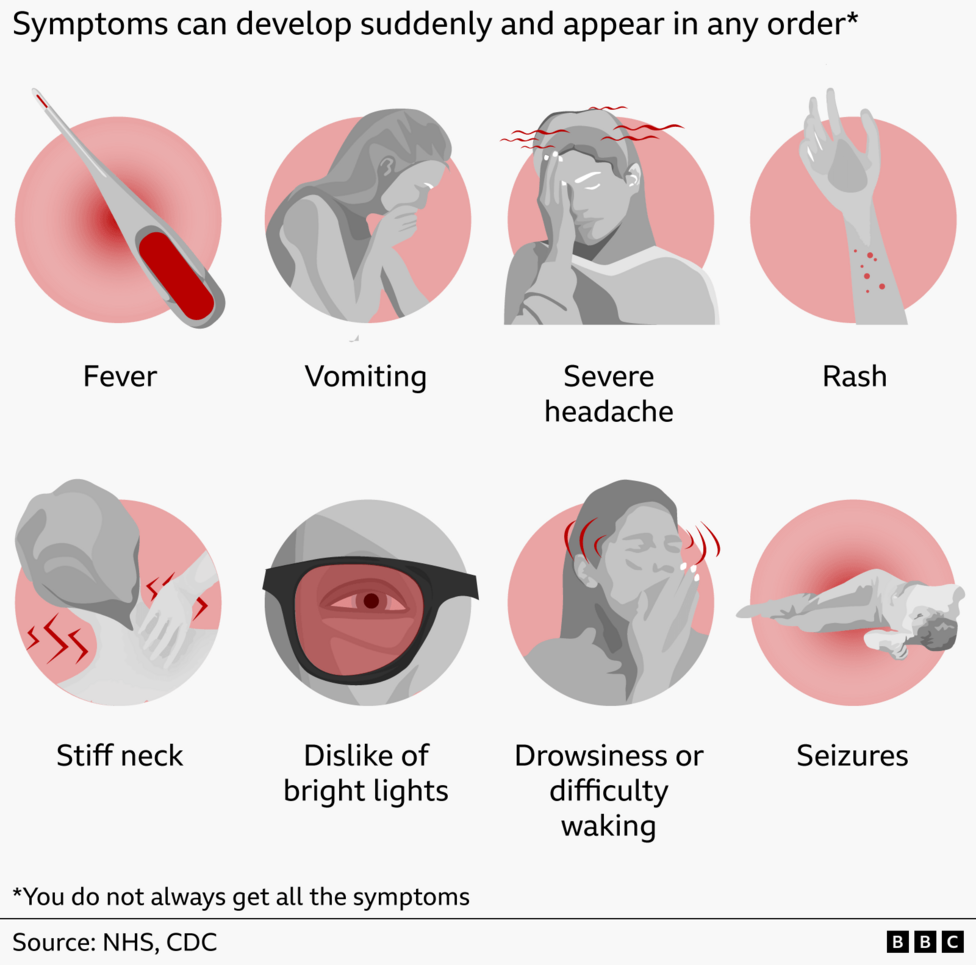
Symptoms can develop suddenly and include a rash that does not fade when pressed with a glass, extreme sleepiness or difficulty waking, severe headache, fever, vomiting, neck stiffness, dislike of bright lights, and in severe cases, seizures. The non-specific nature of early symptoms creates particular danger.
"A lot of the symptoms just display themselves as being a bit tired or hungover, and it's so much more than that," said Saul.
"You've just got to be vigilant. You don't have much time when dealing with meningitis and every hour counts in potentially saving your life."
Caroline Hughes from the Meningitis Research Foundation emphasised the importance of recognising risk factors among young people.
"We know that young people can be at increased risk of meningitis for a number of reasons. The bacteria spreads more easily in that group, it's lots of people mixing together, and more independence as people move away from parents."She stressed the critical importance of awareness regarding signs and symptoms, and ensuring access to all available vaccines.
Vaccination response to meningitis B outbreak
A deadly outbreak of meningitis B in Kent earlier in the year prompted a vaccination catch-up campaign across Wales and England. The programme targets young people beginning further or higher education in September 2026 who had not previously received protection against the most prevalent strain of the disease.
Public Health Wales reported that 19,700 young people received their first vaccine dose through the programme, with 14,459 also completing a second dose, which must be administered four weeks after the first. Vaccination clinics have been established at universities across the country during the opening weeks of the academic term.
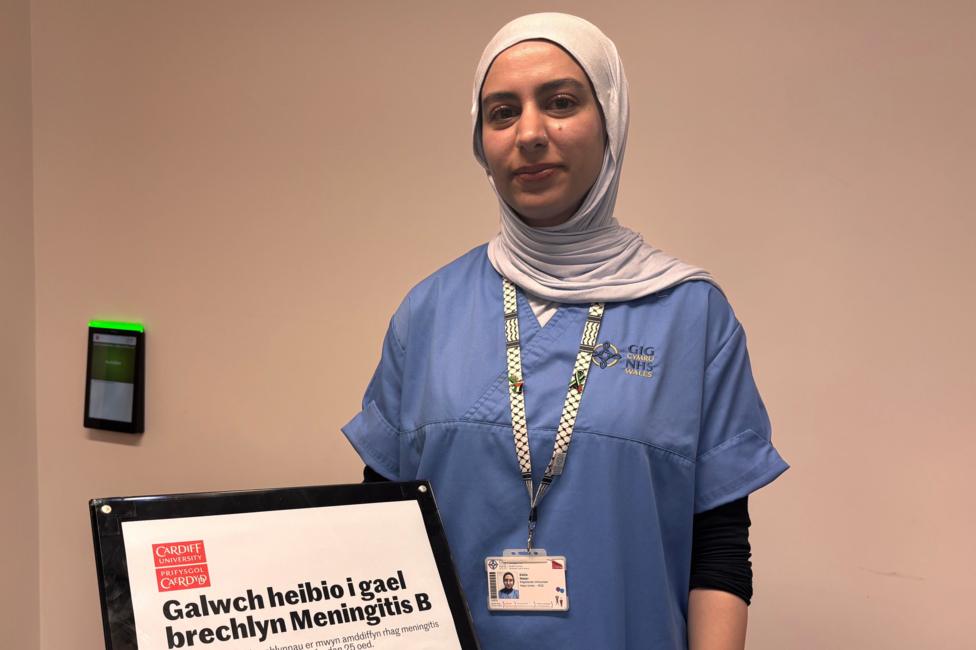
Dalia Nassr, a vaccination nurse working for the Cardiff and Vale University Health Board, explained the practical benefits of bringing vaccination services directly to university campuses.
"We had one student come in who had a friend who died of meningitis just last year, so she was really appreciative that we were here. We know students are very busy, they are trying to find their way around campus, and most haven't registered with a GP yet - so by coming here we just give them the opportunity to just walk in at any time."
Raising awareness through personal challenge
Both brothers have channelled their experiences into advocacy and fundraising. Saul participated in the London Marathon to raise funds for Meningitis Research Foundation and to increase public awareness of the illness and its symptoms.
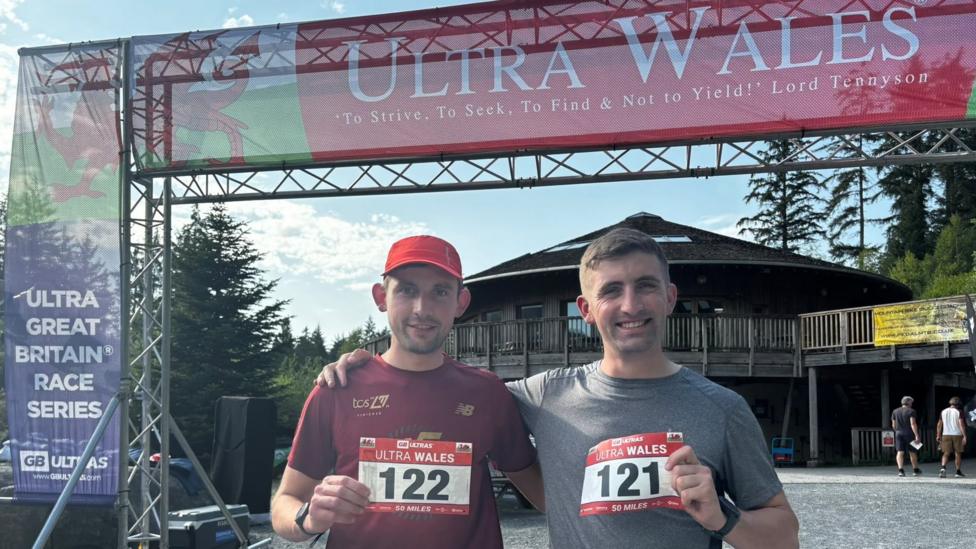
Looking ahead, the brothers are planning to undertake an Ironman challenge next year to support meningitis charities and continue their mission to educate others about the dangers of the disease. Their determination to transform their personal trauma into meaningful action reflects their commitment to preventing others from experiencing similar life-threatening situations.
Key facts
- Saul and Drew Darlington both contracted meningitis within a year of each other as teenagers and survived what could have been fatal infections
- Medical testing identified properdin deficiency, a rare inherited immunodeficiency affecting fewer than 100 known cases globally, as the underlying cause of their susceptibility
- Both brothers now take daily antibiotics and work to raise awareness of meningitis symptoms, particularly among young people
- A meningitis B vaccination catch-up campaign in Wales has vaccinated nearly 20,000 young people, with clinics continuing at universities across the country
- Early recognition of symptoms and rapid medical intervention were critical to both brothers' survival