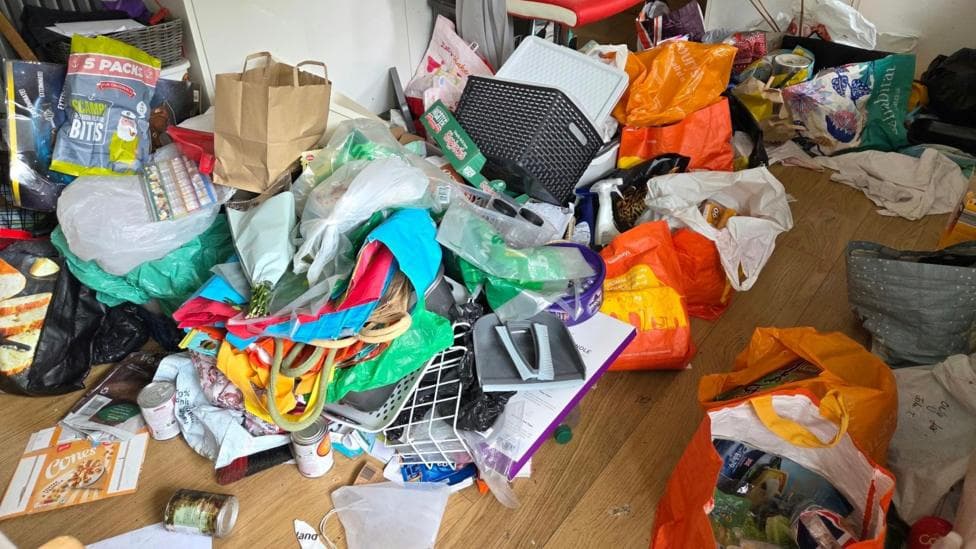
Pat, 77, made a pivotal decision after her husband's death: she would no longer allow possessions to dominate her life. Decades of accumulating items had filled her home, but she resolved to pursue happiness in her remaining years.
I need to be happy in my last few years, and not be surrounded with this mess, I want to be in a happy, safe, peaceful environment.That determination led her to Recovering Homes, a specialist project run by Reaching CIC that combines therapy, peer support and practical assistance to help people overcome compulsive hoarding.
The programme has directly supported approximately 150 people across north Staffordshire, addressing what Georgina Salt, the organisation's founder and CEO, describes as a widespread but often invisible problem.
We're really busy, we have multiple referrals a week,Salt explained, noting that many individuals only seek help when their situation reaches crisis point. According to research cited by Salt, roughly 3% of the population experience hoarding disorder, yet the condition remains largely hidden due to the shame and isolation it creates.
Pat's relationship with possessions began in childhood. As a post-war baby with few toys, she developed a habit of holding onto items carefully. Her father would collect objects found during family walks—string, washers and other materials—believing they might prove useful eventually. When she trained as a teacher, the profession reinforced this mindset. Over time, the practice became entrenched: she found it progressively harder to discard anything, always reasoning that she might need it later. Her late husband shared similar tendencies, filling boxes with collected items. When they entertained guests, the couple had to shuffle possessions between rooms to avoid embarrassment.
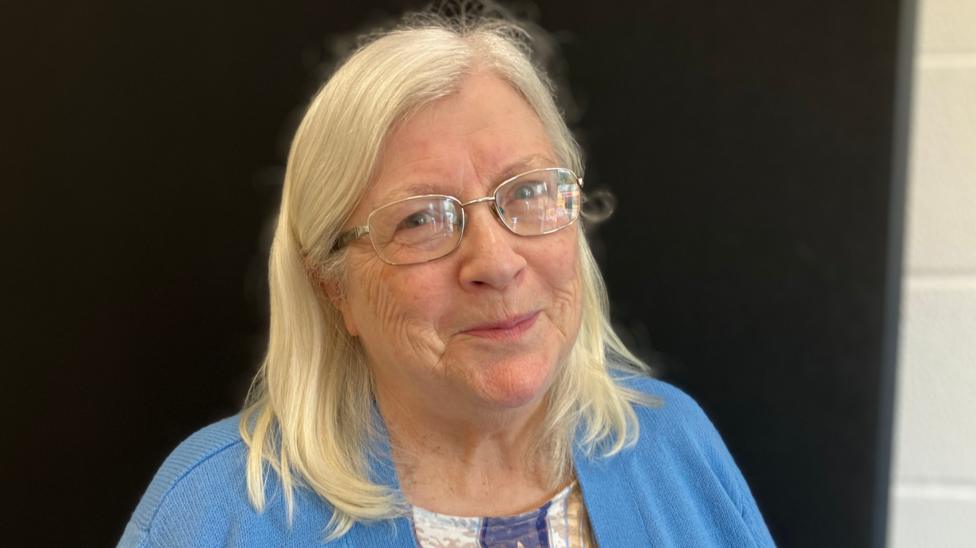
Retirement offered an opportunity to address the accumulation, but Pat found reasons to delay. Her responsibilities as a carer for four people—including her husband and an elderly friend who was himself a prolific hoarder—consumed her attention. She attended her first hoarding support meeting in January 2025, initially motivated by a desire to help her friend rather than confront her own situation. Only after her husband's passing did she recognise the need for change.
Working with Reaching CIC's psychotherapist proved transformative.
She made me think, she made me explore parts of my brain that were hidden under cobwebs and dust and all sorts to try and work out why I was behaving like this,Pat reflected. The therapeutic process shifted her focus from the objects themselves to the psychological roots of her behaviour.
It is not just the decluttering journey that is important, but decluttering my mind and finding out who I am.
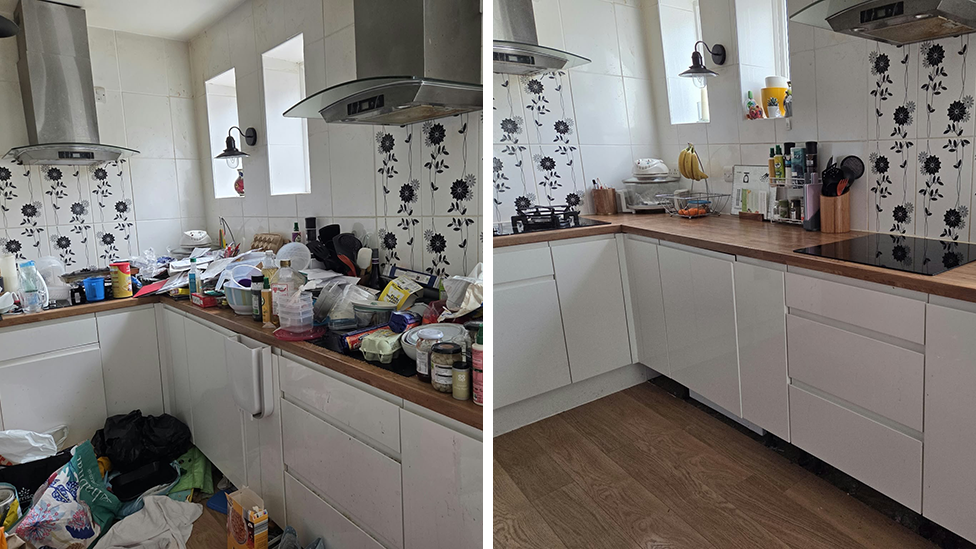
How does the Recovering Homes programme work?
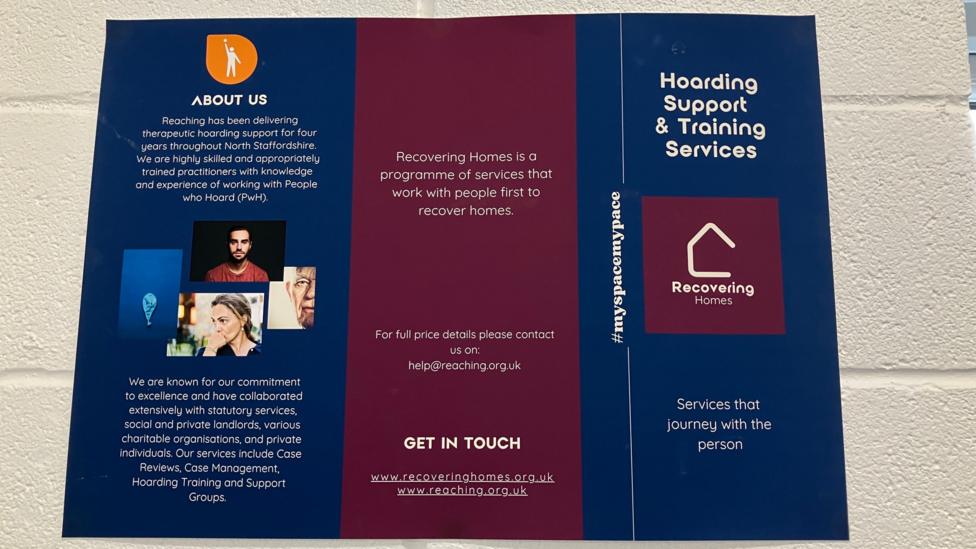
The service operates through multiple interconnected components designed to address both the practical and emotional dimensions of hoarding. According to Reaching CIC's programme details, the offering includes a weekly hoarding advice clinic, fortnightly peer support meetings, one-to-one telephone coaching, individual counselling sessions and an eight-week in-home support programme delivered by trained psychotherapists. This structured approach recognises that hoarding is rarely simply about accumulation—it typically reflects deeper psychological needs.

Salt emphasises that the organisation deliberately avoids pressuring people to clear their homes rapidly.
Hoarding just meets a need that somebody has, and what we have to try and do is unpick what that need is,she explained. Forcing rapid decluttering often backfires, removing a person's coping mechanism without addressing the underlying issue. Instead, the programme prioritises understanding the individual and their relationship with possessions, recognising that hoarding frequently connects to loneliness and mental health challenges.
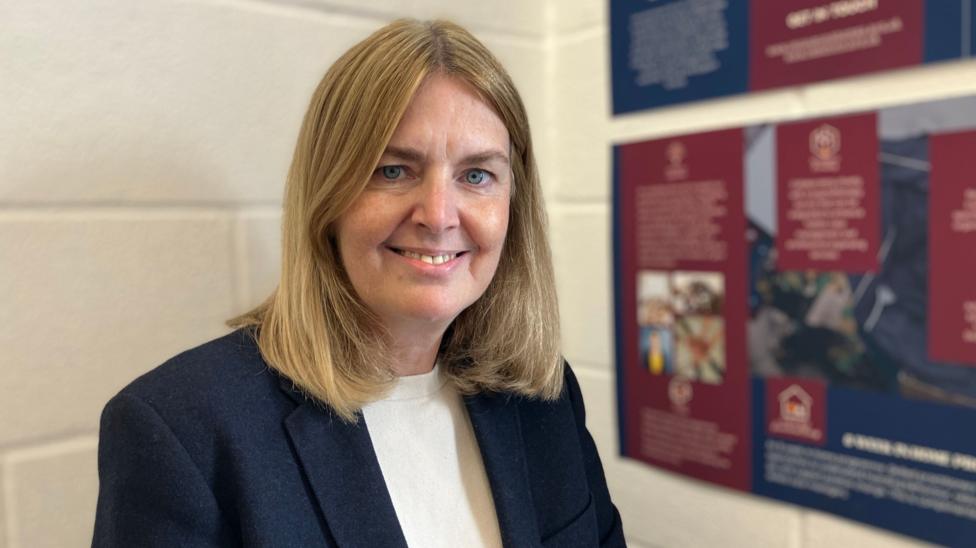
What impact does peer support have?
One of the most powerful elements of the programme is the peer support group, where people facing similar struggles meet regularly. Salt highlighted that participants consistently report a profound shift in perspective:
one of the biggest things they heard in their peer support meetings was that people did not feel alone any more, as well as the realisation that others thought like they did.This recognition—that others share the same patterns of thinking and behaviour—creates a vital connection that reduces the isolation hoarding typically produces.

How is the service funded and accessed?
Reaching CIC receives partial funding from the National Lottery, with in-home support often funded by third parties such as social workers or housing providers. Referrals arrive through multiple routes: concerned family members, individuals seeking help directly, social workers and housing providers all contribute to the caseload. According to recent funding announcements, Reaching CIC received £5,000 from the Hanley at Home Fund to support its hoarding advice clinics across Newcastle-under-Lyme and north Staffordshire, with the grant intended to help approximately 48 people during 2026.
According to Staffordshire's service directory, the Recovering Homes programme is chargeable and requires a referral. The service is based at Business Lodge, 234 Victoria Road, Fenton, Stoke-on-Trent, ST4 2LW, with Georgina Salt listed as the primary contact. For those in Stoke-on-Trent, assessments may also be requested through adult social care or via Stoke-on-Trent City Council.
Why does hoarding remain a hidden issue?
The stigma surrounding hoarding keeps many people isolated and prevents them from seeking help. Embarrassment about the state of their homes, anxiety about visitors and fear of judgment create powerful barriers to disclosure. Salt notes that the condition's isolating nature means people often suffer in silence, unaware that others experience identical struggles. This invisibility means hoarding disorder frequently goes unaddressed until a crisis—eviction, health concerns, family intervention or bereavement—forces the issue into the open.
What happens next for people seeking support?
Those referred to Recovering Homes typically progress through a structured pathway. The hoarding advice clinic runs every Wednesday, offering an entry point for initial guidance and assessment. The peer support group meets every other Tuesday, providing ongoing connection and shared learning. For those requiring more intensive help, the eight-week in-home support programme offers personalised assistance from a psychotherapist working directly in the person's home environment. This progression allows individuals to move at their own pace, building confidence and understanding before tackling the physical decluttering process.
Pat's journey illustrates the potential for transformation when the right support is available. By addressing the psychological dimensions of her hoarding rather than simply removing items, she has begun to reclaim her home and her sense of self. For others in north Staffordshire facing similar challenges, Recovering Homes offers a pathway from isolation and shame toward connection, understanding and genuine change.
Key facts
- Approximately 3% of the population are thought to experience hoarding disorder, though many cases remain undiagnosed and hidden
- Recovering Homes has directly assisted about 150 people in north Staffordshire through its combination of therapy, peer support and in-home assistance
- The programme deliberately avoids pressure-based decluttering, instead focusing on understanding the psychological needs that hoarding meets
- Peer support groups are consistently cited by participants as reducing isolation and creating vital connections with others facing the same challenges
- The service is partially funded by the National Lottery, with recent grants supporting expansion of hoarding advice clinics across the region