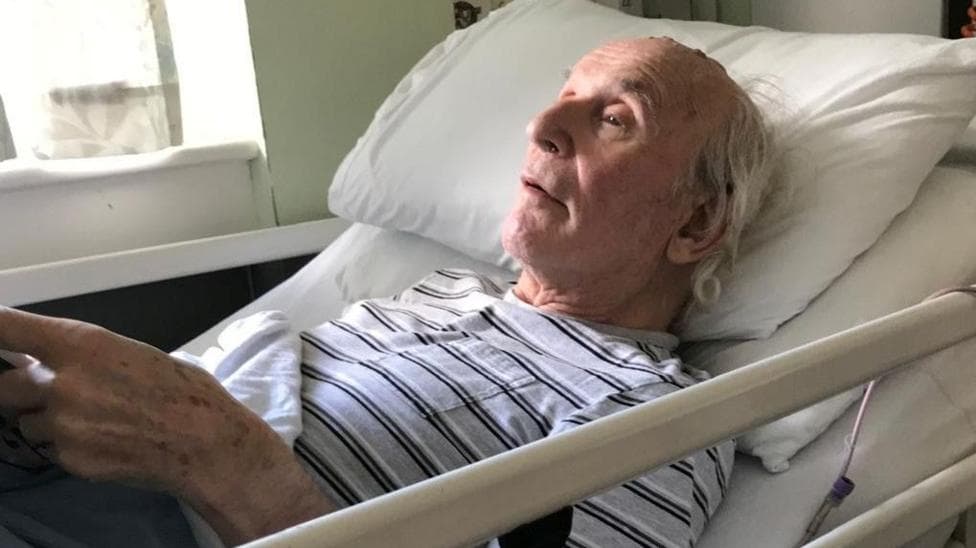
John Russell has spent 16 months in hospital following a stroke, and his family now faces the prospect of him being relocated to a care facility in Edinburgh—approximately 93 miles away by train or 122 miles by road—because local options cannot meet his needs.
Russell was admitted to Lorn & Islands Hospital in Oban during April of the previous year after suffering a stroke. His wife Teresa, aged 79, initially expressed willingness to provide care for him at home with professional support, but his hospital discharge was postponed and his condition has since worsened significantly.
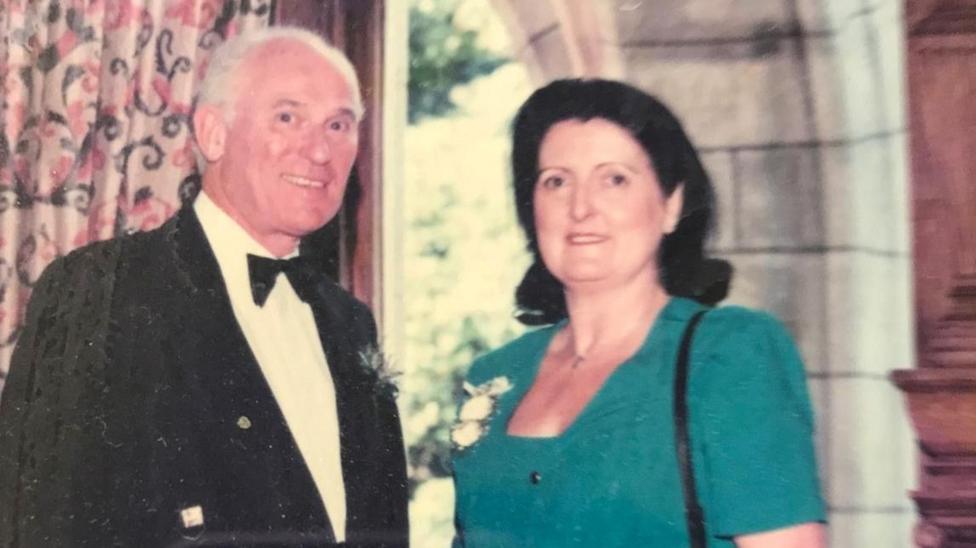
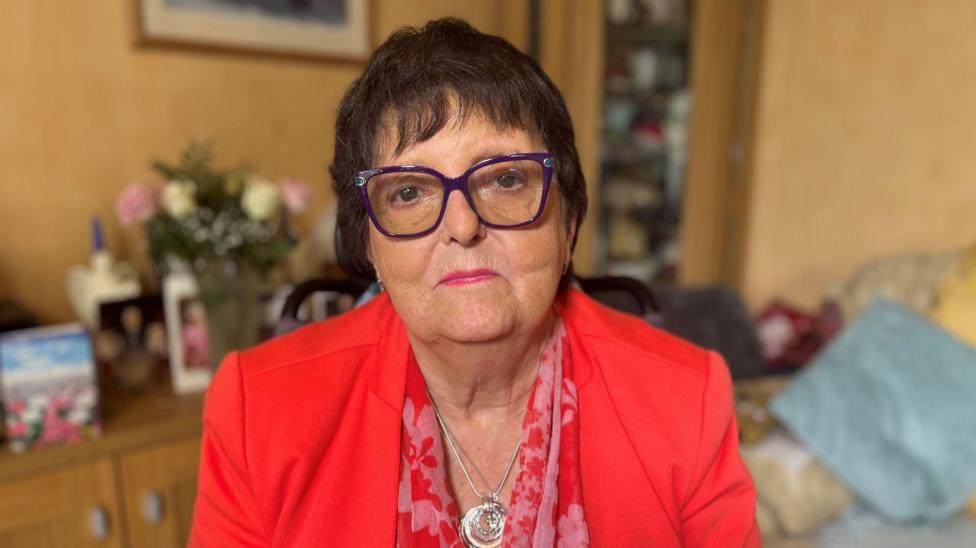
Teresa, who relies on a wheelchair and walking frame, explained that she was informed John's requirement for round-the-clock care meant he could be transferred to an Edinburgh nursing home. The couple has called Oban their home for five decades and celebrated their golden wedding anniversary while John remained hospitalised.
Why is discharge proving so difficult?
Argyll and Bute Health and Social Care Partnership (ABHSCP), which manages social care, primary care, community health and mental health services across the region, has stated that arranging home-based care or locating appropriate care home placements in remote and rural communities presents significant obstacles, particularly for individuals requiring 24-hour support.
Teresa reported that local care homes are operating at full capacity with substantial waiting lists. She described the situation as deeply troubling, noting that the prospect of travelling between Oban and Edinburgh would be extremely challenging given her mobility limitations.
"When you've been married for 50 years you don't want your husband in Edinburgh and you in Oban,"Teresa said.
"I would need to take two trains, taking my Zimmer frame and everything else I need. It just frightens me."
A former nurse herself, Teresa expressed her preference clearly:
"I just want to know he can stay in Oban somehow, even if that is in hospital."
How has John's health changed during his hospital stay?
John's physical and mental condition has deteriorated markedly since his April admission. He now experiences significant difficulty with mobility and, due to a feeding tube, has lost much of his ability to communicate verbally.
Teresa expressed concern about his psychological state, believing he is experiencing mental decline.
"I think he is mentally deteriorating. He must be fed up,"she said.

The extended hospitalisation is also taking a toll on Teresa herself.
"I'm beginning to feel the 16 months. That sounds selfish, but I'm tired and I miss John,"she explained.
"People forget he was my carer, so it's role reversal, although I'm not really looking after him. I'm just trying to keep his spirits up."
What is the broader context of delayed hospital discharges?
The Russells' situation reflects a wider crisis affecting Scotland's healthcare system. In July, just over 2,000 patients were occupying hospital beds despite being medically fit for discharge. Hundreds of these individuals had remained hospitalised for more than three months.
This figure represents nearly double the capacity of Scotland's largest hospital, meaning those beds could serve far more patients if social care arrangements were available. Prolonged hospitalisation typically harms rather than helps patient recovery, often resulting in physical decline.
The fundamental challenge lies in the fragmented nature of social care delivery. Care is managed across local authorities, the NHS, charities and private companies, creating coordination difficulties. Additionally, attracting and retaining care workers remains problematic when wages lag significantly behind NHS employment terms.
Healthcare professionals and politicians widely acknowledge that social care requires comprehensive reform. However, efforts to establish a National Care Service for Scotland collapsed during the previous year. Scottish ministers have now initiated a consultation process aimed at streamlining social care delivery, with the NHS assuming a lead role, though negotiations involving multiple organisations will remain complex.
What support is being offered?
Teresa praised the hospital staff's dedication but characterised the broader care system as fundamentally broken. She has written to politicians seeking assistance with her situation.
Scottish Conservative Highlands and Islands MSP Tim Eagle has indicated his intention to raise the case at Holyrood.
"This is a desperately sad situation for John and Teresa to find themselves in through no fault of their own and it is completely unacceptable that it has gone on for so long,"Eagle stated.
"It is inconceivable that they should be asked to move away from the community they have lived in for over 50 years, all because local health bosses can't arrange a home care package for John."
ABHSCP acknowledged the distress caused by prolonged hospital stays and stated its commitment to supporting patients' return home or placement in appropriate local care settings where possible. A spokesperson said:
"When someone is ready to leave hospital, our aim is to support them to return home or, where that is not possible, to move to a care setting that meets their needs as close to home and family as we can."
The partnership emphasised that
"In remote and rural communities, arranging care at home or finding a suitable care home place, particularly for people who need 24-hour support, can be challenging as some needs that are specific in nature can only be met in certain establishments."It added that
"Where no local option is available, alternatives are discussed with the person and their family."
ABHSCP, headquartered in Kilmory, Lochgilphead, stated it welcomes meetings with families holding concerns about discharge arrangements to discuss available options.

Key Facts
- John Russell has been hospitalised for 16 months following an April stroke at Lorn & Islands Hospital, the hub for acute and community services in Oban
- His wife Teresa, aged 79 and a wheelchair user, faces potential separation of 93–122 miles if he is moved to Edinburgh
- The couple has lived in Oban for 50 years and celebrated their golden wedding anniversary during his hospitalisation
- Over 2,000 patients in Scotland were medically fit for discharge in July but remained in hospital beds due to lack of social care provision
- Delayed discharges are costing NHS Scotland £440 million annually