A significant review has concluded that a flagship Scottish government initiative to transform the care system for vulnerable children and young people is falling short of its ambitions, with too much of the commitment remaining unrealised in practice.
The Scottish government committed to The Promise in 2020, a comprehensive reform programme designed to enhance the wellbeing of care-experienced children and young people by the end of the decade. An assessment of its progress reveals that while pledges have been made to Scotland's children, families and care-experienced adults, implementation across the country remains inconsistent and insufficient.
The independent oversight board responsible for monitoring The Promise has called on those in positions of authority to
move faster, with greater urgency and a determined focus. The board's findings highlight a critical gap between policy intention and real-world delivery, with the organisation emphasising that meaningful change must reach the families and young people the scheme is designed to support.
The Scottish government has stated it remains committed to the initiative, noting investments in whole family support and plans to introduce a refreshed implementation strategy before 2030. According to the government's Programme for Government 2026-2031, published on 1 September 2026, it will continue working to keep The Promise by 2030 and will implement the Children's (Care, Care Experience and Services Planning) (Scotland) Act, including whole-life advocacy and Family Group Decision Making.
What progress has been made?
The oversight board's assessment acknowledges that meaningful advances have occurred in certain domains. The passage of the Children (Care, Care Experience and Service Planning) (Scotland) Act 2026 was recognised as a significant milestone, establishing fresh rights and obligations for the care system. Effective collaborative working between agencies, sustained financial commitments and adaptable staffing arrangements have all been identified as encouraging developments.
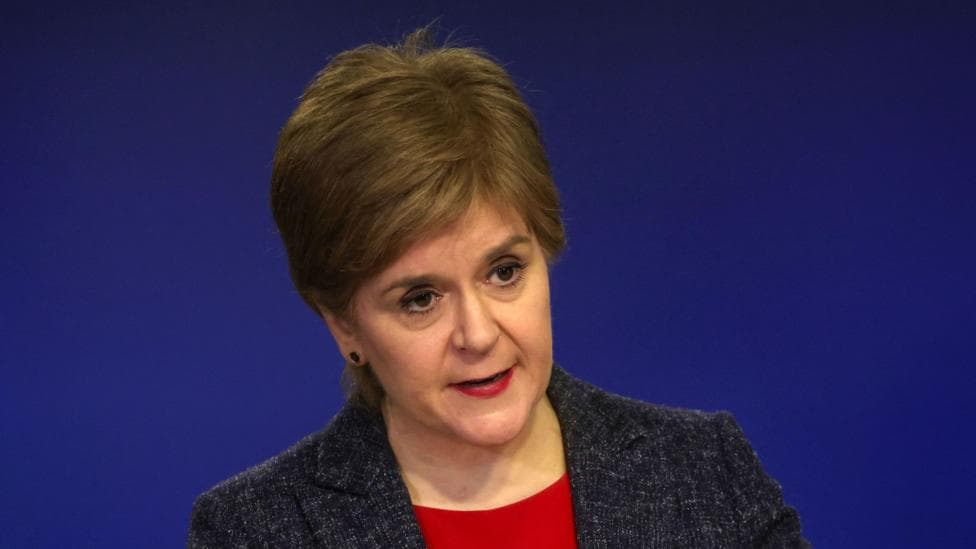
The Promise was initiated during Nicola Sturgeon's tenure as first minister, building on the 2020 Independent Care Review, which characterised the existing system as
fractured, bureaucratic and unfeeling. In 2022, Sturgeon presented an 80-step reform plan encompassing the abolition of custody for under-18s, establishment of a national allowance for foster and kinship carers, redesign of children's hearings and governance overhaul to be completed by 2030.
Where are the gaps?
Despite these developments, the report identifies significant shortcomings. Implementation remains uneven, with accounts of overstretched teams, insufficient capacity and resources that fail to match identified requirements. The oversight board determined that the legislative development process
exposed serious concerns about affordability, capacity and deliverability.
According to the board's latest report, there are 10 recommendations, including a call for councils and the Scottish Government to ensure children living at home with significant needs get practical and specialist support, advocacy and relationships. The board also highlights a shortage of suitable care places as part of the mismatch between resources and demand.

Previous assessments have raised comparable concerns. In 2024, former first minister Sturgeon acknowledged the programme was not delivering on its objectives, describing an
implementation gap between the aspirations of the policy and the impact on children in care. She stated it would be
unthinkablefor The Promise not to be delivered.
What does the oversight board say?
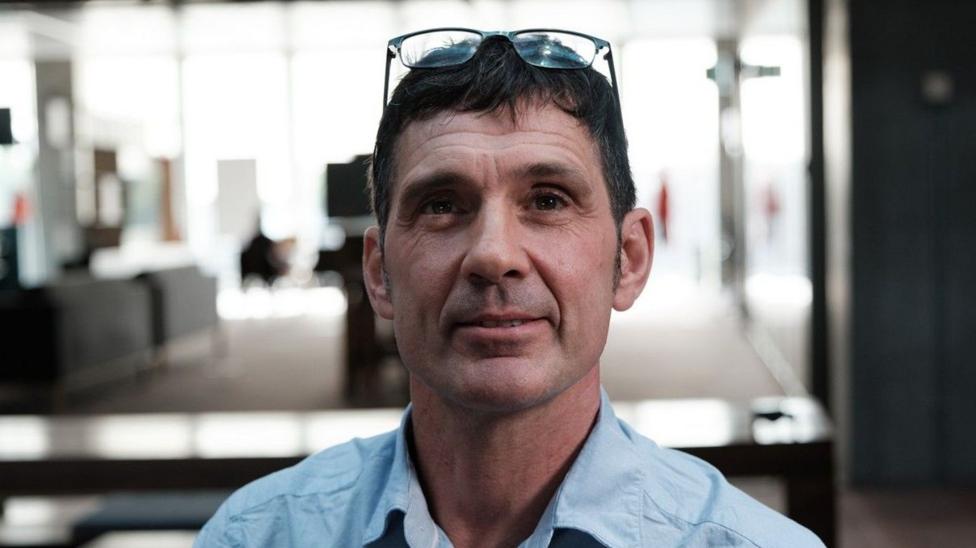
David Anderson, chairman of the oversight board, stated:
We have seen that progress has been made, people are working hard and they care. Great care is being delivered every day but there's not enough progress in some areas. But the Promise ultimately has to be judged by whether those changes improve people's lives. Activity is not the same as action and Scotland must show whether support is reaching people, whether barriers are reducing and whether experience is changing.
Anderson's remarks underline a fundamental tension within the reform programme: the distinction between organisational activity and tangible improvements in the lives of care-experienced young people. The board's assessment suggests that while structures and processes have been established, their effectiveness in delivering real change remains questionable.
What is the government's response?
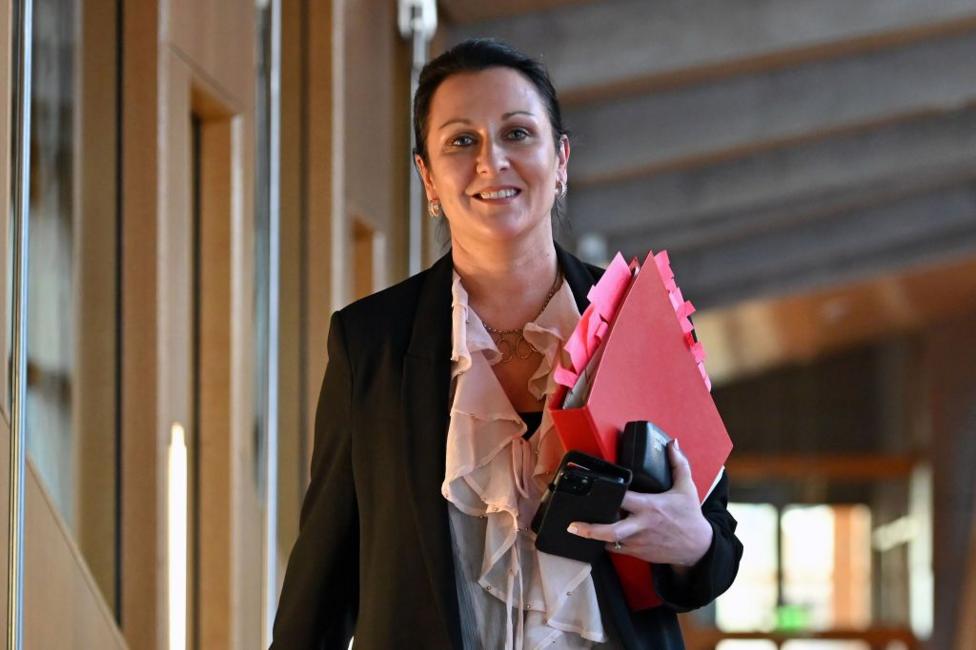
Siobhian Brown, minister for the Promise, stated that the report recognised genuine progress occurring throughout Scotland. She said:
Crucially, it acknowledges that we can keep the Promise by 2030 if we increase the scale of interventions and pace of efforts across the country. The Scottish government has passed landmark legislation to accelerate delivery of the Promise, made significant investment in whole family support, strengthened support for foster and kinship carers, established the National Social Work Agency and ended the placement of under-18s in young offender institutions.
Brown acknowledged that
progress is not yet experienced consistently by every child and family, and are taking action to address this. She confirmed the government is working towards implementing each of the oversight board's recommendations.
What additional evidence exists?
A separate assessment from The Promise's data and evidence work indicates that Scotland needs better data linkage and analysis, and calls for a long-promised longitudinal study of children looked after at home. This finding suggests that gaps in evidence collection may be hindering efforts to identify where interventions are most needed and whether existing programmes are achieving their intended outcomes.
The board has urged ministers to identify where progress is weakest and prioritise reforms accordingly, recognising that resource constraints and capacity limitations are contributing to uneven delivery across different regions and service areas.
What happens next?
The Scottish government has committed to publishing an updated Implementation Strategy extending through to 2030, with a focus on accelerating delivery and addressing identified gaps. The government will continue implementing the 2026 Act and advancing The Promise through its broader public service reform agenda.
The oversight board's next formal report was scheduled for 29 September 2026, according to parliamentary records. This ongoing monitoring will be critical in tracking whether the pace and scale of intervention increases sufficiently to meet the 2030 deadline and deliver meaningful change for Scotland's care-experienced children and young people.
Key Facts
- The Promise was launched in 2020 to improve outcomes for care-experienced children and young people by 2030, following the 2020 Independent Care Review
- The oversight board has identified 10 recommendations, including ensuring children living at home with significant needs receive adequate support and addressing shortages of suitable care places
- The Children (Care, Care Experience and Service Planning) (Scotland) Act 2026 was recognised as a significant legislative milestone, though concerns remain about affordability and deliverability
- The Scottish government has committed to publishing an updated Implementation Strategy and continuing work through the public service reform agenda to accelerate delivery by 2030
- Evidence gaps persist, with calls for improved data linkage and a long-promised longitudinal study to better track outcomes for children looked after at home