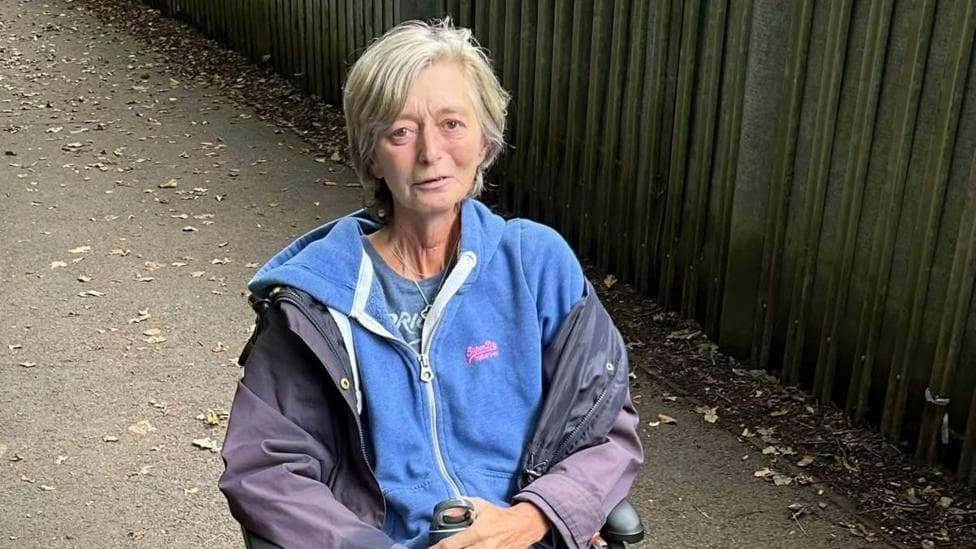
Rachael Field, 56, from Rhondda Cynon Taf, has been refused Personal Independence Payment (PIP) despite being unable to eat, talk, dress or use the toilet independently. According to BBC News, the woman, who has tongue cancer and has been given approximately three years to live, was denied the benefit earlier this year despite her severe disabilities and dependency on care support.
Field was first diagnosed with cancer six years ago. She now uses a feeding tube, has had her tongue and voice box removed, and underwent windpipe reconstruction using chest tissue. She also experiences significant mobility limitations. When she applied for PIP in May, the Department for Work and Pensions (DWP) awarded her zero points across all assessed categories, resulting in denial of the claim.
The assessment system that rejected Field's application scores claimants on everyday tasks such as washing, getting dressed and preparing food using a zero to 12 scale. Field's family reported that the assessment process involved repeated rescheduling that caused delays, and despite lodging an appeal several months ago, they remain awaiting an outcome.
What are Field's care needs?
Field requires assistance with fundamental daily activities. She explained her situation:
I need help to wash, dress and use the bathroom. I can only walk a few steps with help. I cannot eat or drink, everything has to go through my feeding tube.She has experienced cancer four times in six years and is unable to perform any tasks independently. The former factory worker was forced to stop working following her terminal diagnosis, leaving her family to manage significant financial strain.

Field met her husband Eddie 20 years ago when they both worked in a factory. They married 15 years later and have enjoyed visiting towns across Wales together, with hopes of visiting Scotland and Ireland. Eddie now works full-time while visiting his wife in hospital every day.
Why was the claim denied?
The DWP stated that it needed further evidence to complete the claim and expressed regret for any distress caused to the family. A DWP spokesperson said:
We have been unable to complete the claim as we need further evidence from Ms Field. We have attempted to contact her in order to resolve the situation and will continue to do so.Field's family reported they were in discussion with the DWP regarding the situation.
Field criticised the assessment process itself rather than the medical treatment she received. She stated:
People need the help while they are alive.She expressed concern about how the system evaluates people's needs, suggesting it does not adequately capture the reality of living with terminal illness and severe disability.
What are the broader concerns about PIP assessment?
Field's daughter Kyra Hawkins-Field, 20, described the benefits assessment process as
ridiculousand criticised its reliance on a checklist approach that fails to reflect real-life struggles. She stated:
They've basically turned around and said, 'we think you're fine'.Hawkins-Field expressed concern that her mother is
stressing about moneywhile having only
a couple of years leftto live.
The issues Field faces reflect broader concerns about the PIP system. The Timms Review is examining the future of PIP, with final recommendations expected in late autumn 2026, though no changes to eligibility or assessment rules have been announced yet. This review comes as disability benefit claims have reached a record 4.1 million people in England and Wales as of July 2026, up 7% year-on-year, and a government review has concluded the system is not fit for purpose.

How is the family coping?
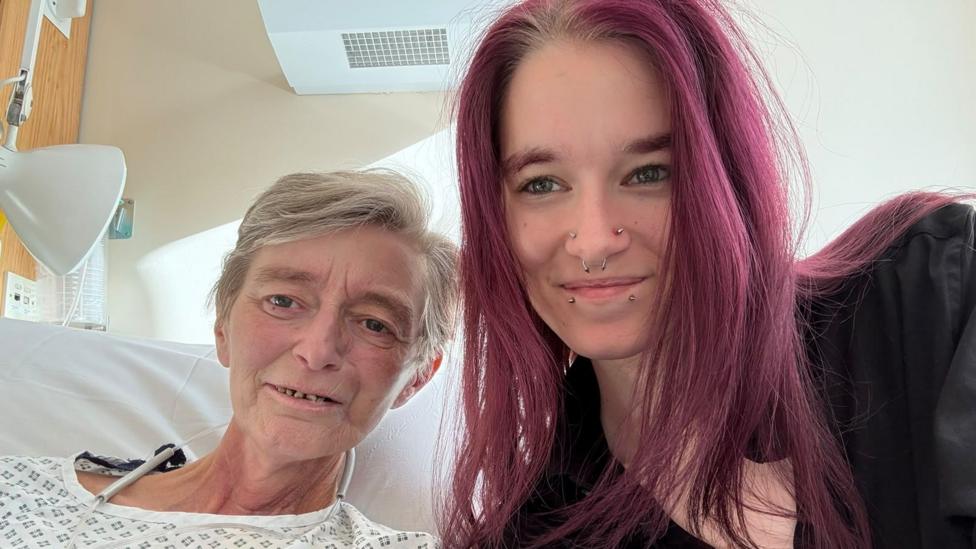
Hawkins-Field launched a GoFundMe appeal aiming to raise £1,000 to help her mother enjoy what time remains with her family, including trips around the UK while she is still able to travel. She described her father Eddie as the family's
superhero, managing work and daily hospital visits.
Field enjoys the
little things in lifeand has particular passion for activities that bring her joy. Hawkins-Field said her mother
loves doing jigsaw puzzles, big, really, really difficult, intricate jigsaw puzzlesand reading. These activities provide comfort during her final years.
What happens next?
The Timms Review is expected to submit its final recommendations to the Work and Pensions Secretary in late autumn 2026, after which the Secretary will consider them before deciding on any next steps. Field's family continues to await the outcome of their appeal while discussions with the DWP remain ongoing.