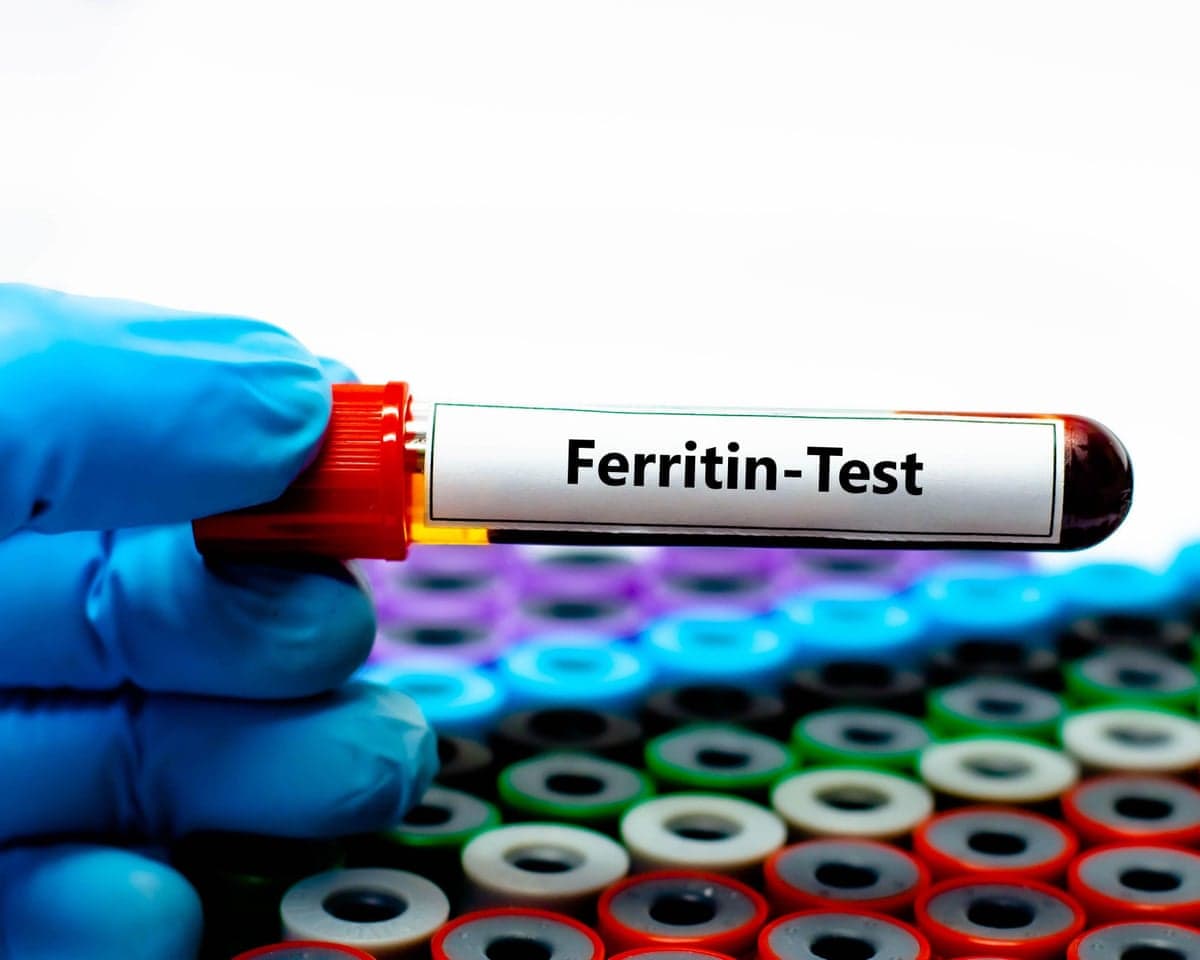
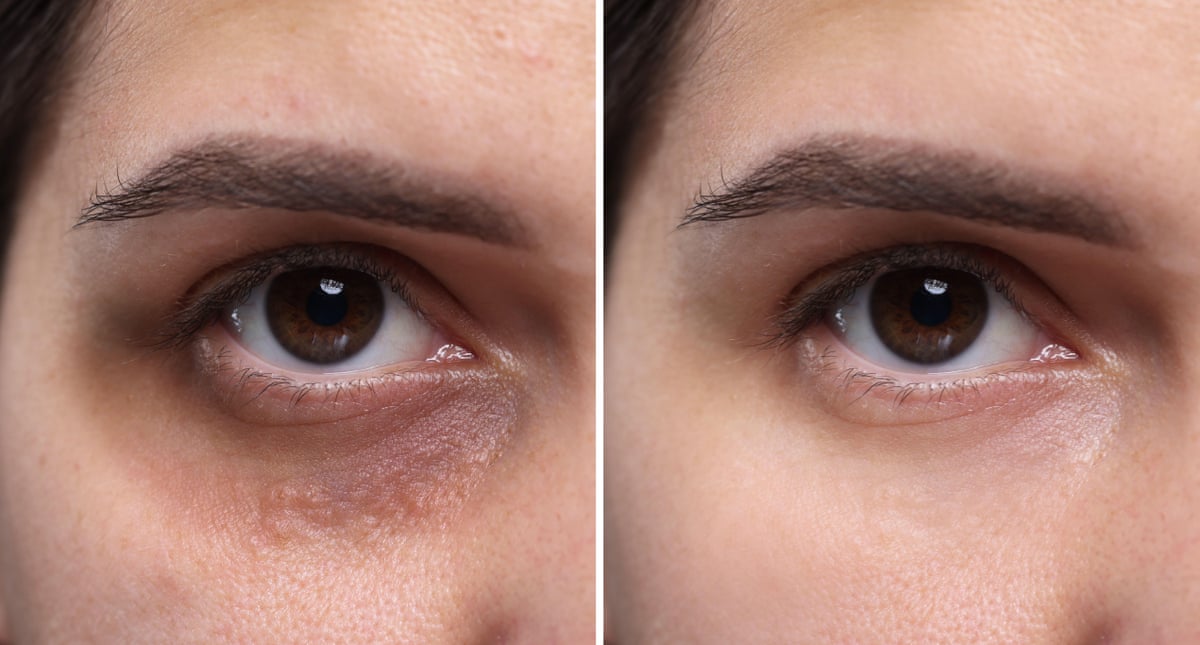
A viral trend on social media platforms has popularised the term "ferritin face" to describe a cluster of physical signs—pallor, dark circles, dry skin and hair loss—that influencers claim signal depleted iron stores. According to The Guardian, medical experts acknowledge that low iron can affect appearance, but warn the relationship is more complex than social media suggests, and that self-diagnosis based on looks alone is unreliable.
While the symptoms influencers describe can indeed result from iron deficiency, they also stem from genetics, stress, dehydration and numerous other causes. Experts emphasise that visible changes might prompt someone to seek investigation, but appearance alone cannot diagnose the condition. A separate BBC report quoted GP Dr Aziza Sesay describing "ferritin face" as a non-medical diagnosis, though she acknowledged that visible changes may warrant further testing.
Understanding ferritin and iron storage
The body cannot manufacture iron, so it must be obtained through diet. Ferritin is the protein that stores iron throughout the body, particularly in the liver, and releases it in controlled amounts as needed. Blood tests can measure ferritin levels to provide a snapshot of the body's iron reserves, though experts caution that these measurements are not always entirely reliable as indicators of iron status.
Ferritin thresholds for diagnosis vary depending on individual circumstances and risk factors. Blood ferritin levels below 30 micrograms per litre generally indicate iron deficiency, though Sue Pavord, professor of practice in medical haematology at Oxford University Hospitals, noted that "a level below 50 might be a pointer of iron deficiency." International standards differ: CNN reported that new American Society of Hematology guidance sets ferritin cutoffs at 20 ng/mL or less for children, 30 ng/mL for most adults, and 50 ng/mL or less for people with heavy menstrual bleeding or certain risk factors. The British Society of Gastroenterology guidance distinguishes between ferritin below 15 micrograms per litre, which indicates absent iron stores, and below 30, which generally indicates low stores.
How does low iron affect physical appearance?
Iron plays a role in every cell of the body, and deficiency can produce visible effects. Pavord explained the mechanism:
Iron is needed for every single cell of the body. So if you are iron deficient, you will be very fatigued, have brain fog, your skin will look dull and saggy, you'll look pale and tired. While we can't diagnose iron deficiency from the face, it might be a suggestion that there is iron deficiency.
Prof Toby Richards of the University of East London and the Iron Clinic noted that such physical changes tend to be particularly pronounced in people with severely depleted iron stores.
They tend to be the really sick patients,he said. However, the symptoms influencers highlight—dark circles, grey skin, cracked lips and hair loss—can arise from many sources unrelated to iron status, making appearance-based self-diagnosis problematic.
What causes low ferritin levels?
The most common causes of low ferritin are menstruation and pregnancy, according to Pavord. Other sources include insufficient dietary iron intake, whether through deliberate dietary choices or because of poor absorption—a problem that occurs with coeliac disease. Blood loss from gastrointestinal issues such as gastritis or polyps can also deplete iron stores. Athletes sometimes develop low ferritin because their bodies have heightened iron demands during intense training.
Understanding the underlying cause is crucial for effective treatment. Older people who suspect iron deficiency require thorough clinical assessment and investigations to identify potential sources of bleeding from the bowel, Pavord cautioned.
When should someone seek medical advice?
Richards recommended that people at elevated risk of low ferritin—those with heavy periods, pregnant women, parents, and vegetarians or vegans—should request a blood test. Such testing should encompass a full blood count, ferritin level measurement, and assessment of B12 and folate levels.
This is a proper disease, and to put it into perspective, it's the leading cause of disability in women of reproductive ability,Richards said.
Pavord similarly advised anyone concerned about ferritin levels to ask their GP for a blood test, emphasising the importance of establishing the cause of any deficiency. Iron supplements are available over the counter at pharmacies, and Pavord noted that
taking iron tablets without confirming iron deficiency is not really going to do you any harm, particularly if you're a young woman, because you're losing a lot of iron with periods.
However, Richards cautioned that many commercial products do not contain therapeutic doses.
If you are iron deficient, you need to be on a full treatment dose … and then repeat your blood results in three months' time. What's marketed is normally the lower dose supplements,he explained. Understanding the distinction between iron deficiency and anaemia is also important: ferritin can fall before haemoglobin drops enough for anaemia to be diagnosed, which helps explain why iron deficiency and anaemia are not interchangeable.
Is the social media conversation helpful or harmful?
Pavord expressed optimism about increased public awareness of iron deficiency.
We need to stop normalising iron deficiency. Many women are just exhausted trying to cope with their periods, cope with their pregnancies, cope with their young children and their busy jobs, and we need to stop normalising fatigue.Richards concurred, stating that
anything that raises the plight of women in this area is a good thing.
Yet caution is warranted. Dr Asiya Maula, a GP from the private firm The Health Suite, warned of potential pitfalls:
The risk with social media trends is that people may see themselves in a list of symptoms and assume they have a deficiency without checking whether that is actually the cause.The viral nature of health trends can lead people to self-diagnose and self-treat without proper medical investigation, potentially delaying identification of the actual cause of their symptoms or masking other underlying conditions.
The consensus among medical professionals is clear: while social media attention to iron deficiency raises awareness of a genuine health issue affecting millions, particularly women, the visual diagnosis approach promoted online is unreliable. Proper diagnosis requires blood testing, and effective treatment depends on identifying the specific cause of iron depletion in each individual.